India's top court urges legislation to protect large court‑ordered deposits
The Supreme Court flagged gaps in existing rules and called on lawmakers to enact a uniform law safeguarding multi‑crore sums held by courts.
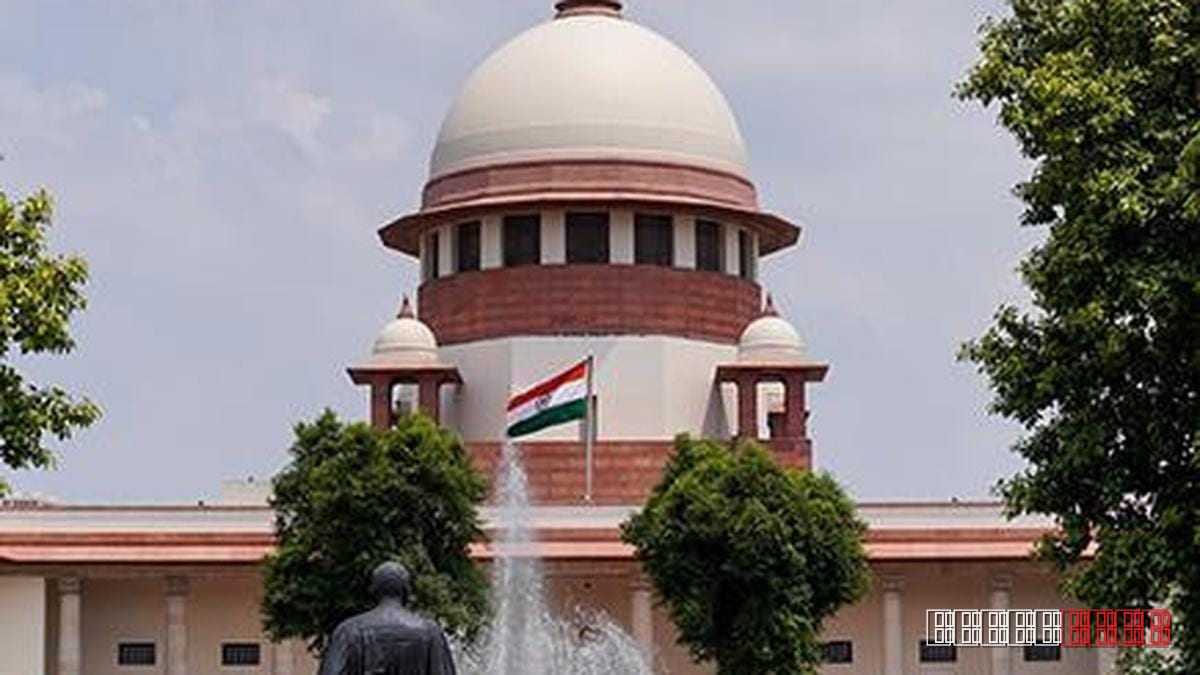
The Supreme Court of India has drawn attention to the absence of a consistent legal framework governing court‑ordered deposits, noting that the current ad‑hoc approach is widening case backlogs. According to The Hindu, the bench warned that the asymmetrical treatment of these deposits is adding to pendency and urged that the sums be shielded from arbitrary management.
Court‑ordered deposits are funds that litigants or parties place with a court as security for execution of a decree, bail, or other procedural requirements. The amounts can run into several crores, especially in commercial disputes, land acquisition cases, and high‑value civil suits. Unlike bank deposits, these monies are not covered by any specific statutory provision, leaving their fate to the discretion of individual judges and lower courts.
The Supreme Court observed that without uniform guidelines, similar cases are handled differently across jurisdictions, creating uncertainty for depositors and opening the door to misuse. In some instances, deposits have been released prematurely or held for extended periods without clear justification, prompting complaints from businesses and individuals who rely on timely access to their funds.
Legal experts note that the court’s call could pave the way for a dedicated amendment to the Code of Civil Procedure or a separate enactment that codifies the handling, interest, and release of court deposits. Past attempts to address the issue, such as circulars issued by high courts, have been limited in scope and lacked enforceability. A uniform statute would provide predictable rules, reduce discretionary power, and potentially curb the growing docket of pending matters linked to deposit disputes.
If Parliament acts on the Supreme Court’s recommendation, the change would affect a broad spectrum of stakeholders—from large corporations involved in multi‑crore litigation to ordinary citizens filing civil suits. A clear legal shield for court deposits could improve confidence in the judicial process, ensure quicker resolution of financial aspects of cases, and alleviate one of the many factors contributing to judicial delays.
This report is based on original reporting by The Hindu. Read the original source →