Iran Blames U.S. for Conflict as China Urges Calm After Houthi Strikes
Iran says Washington must end the war while Beijing pushes for de‑escalation amid fresh Houthi missile and drone attacks on Saudi Arabia.
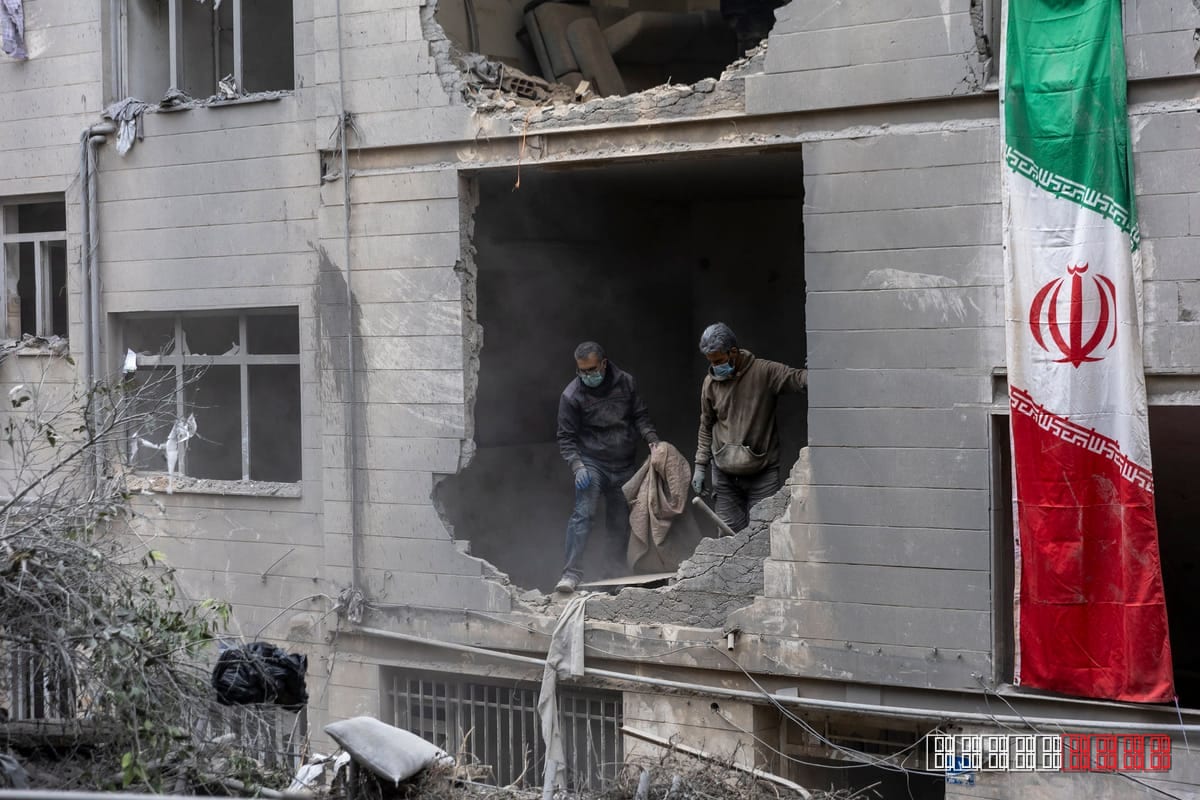
Iran's foreign ministry told reporters that the United States bears responsibility for ending the ongoing conflict in the region, a stance echoed in a statement cited by CNBC. At the same time, Chinese diplomats appealed for restraint and a de‑escalation of hostilities, warning that further fighting could jeopardise regional stability.
The appeal came as Yemen's Houthi rebels launched a fresh wave of missile and drone assaults on Saudi targets on Friday morning, according to CNBC. The attacks, aimed at both military installations and commercial infrastructure, marked an escalation in a campaign that has repeatedly threatened shipping lanes in the Red Sea and the Gulf of Aden. While no major casualties were reported, the strikes underscored the persistent threat to oil transit routes.
Iran and the United States have been locked in a proxy struggle for years, with Tehran supporting the Houthis and Washington backing Saudi Arabia. Tehran's claim that Washington must end the war reflects a broader narrative that U.S. sanctions and military presence have fueled the conflict. Historically, American airstrikes against Houthi positions and Iranian-backed militia groups have deepened mistrust, making diplomatic breakthroughs difficult.
China's call for de‑escalation is rooted in its economic interests. The Strait of Hormuz and the nearby Red Sea corridor handle a substantial share of global oil shipments, and any disruption can affect Chinese energy imports. Beijing has repeatedly positioned itself as a neutral mediator, urging all parties to avoid actions that could inflame tensions or threaten maritime trade, a stance reiterated in recent diplomatic briefings reported by CNBC.
Analysts warn that the convergence of Iranian rhetoric, Houthi attacks, and Chinese diplomatic pressure could shape the next phase of the dispute. If hostilities continue, oil markets may see heightened volatility, and shipping insurers could raise premiums for vessels transiting the region. Conversely, sustained diplomatic engagement from China might open a channel for dialogue, potentially easing the risk of a broader confrontation involving the United States.
This report is based on original reporting by CNBC. Read the original source →