Iran Conflict Exposes Gaps in BRICS' Geopolitical Reach
Al Jazeera notes the war highlights the bloc's difficulty turning economic heft into political influence, though a modest upside may emerge.
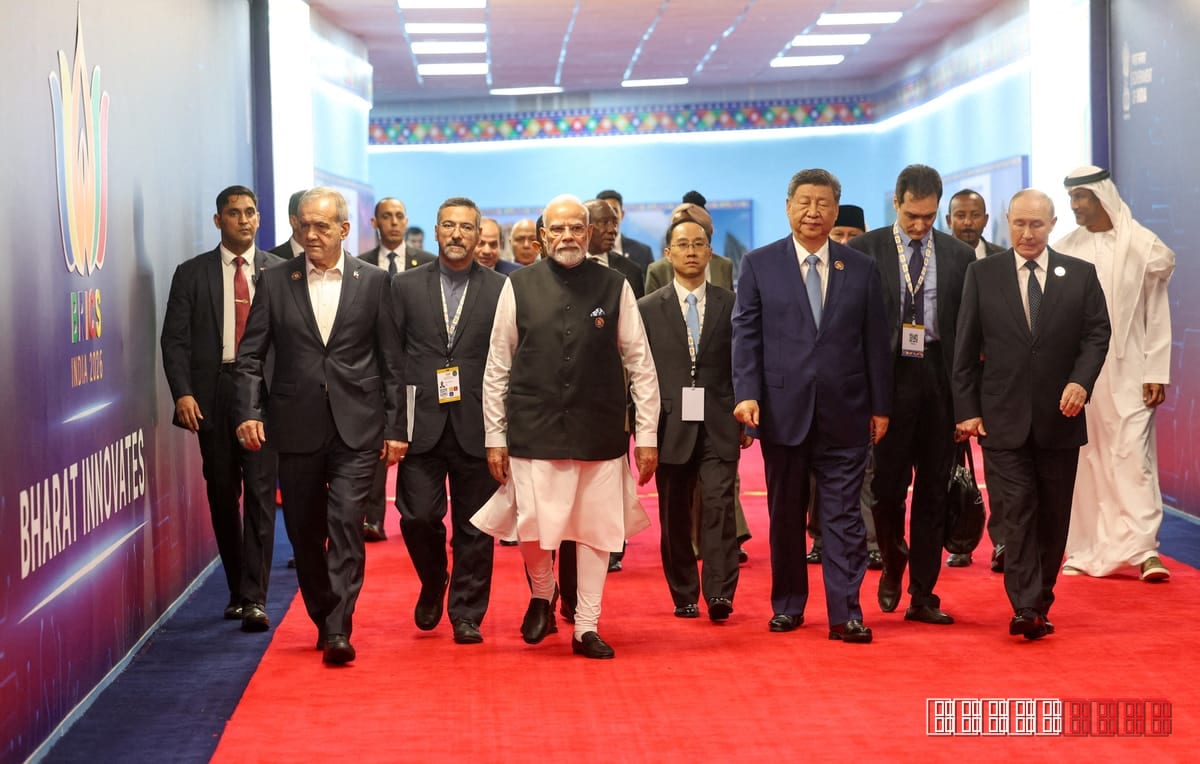
The recent escalation of hostilities involving Iran has laid bare the challenges the BRICS grouping faces in converting its combined economic size into decisive geopolitical power, Al Jazeera reported. While the six‑nation bloc – Brazil, Russia, India, China, South Africa and, more recently, Iran – boasts a share of global GDP that rivals that of the G7, its ability to shape outcomes in a high‑stakes regional conflict remains limited.
According to Al Jazeera, the war has forced BRICS members to balance their own strategic interests against a collective stance, revealing divergent priorities. Russia and China have offered diplomatic channels, but their influence has been muted by existing sanctions regimes and the entrenched role of the United States and its allies in the region. India and Brazil, meanwhile, have been cautious, wary of alienating key trade partners.
The episode also underscores the bloc’s reliance on the New Development Bank and a shared vision of a more multipolar financial system. Yet, as the conflict drags on, the bank’s capacity to fund reconstruction or humanitarian relief in Iran‑adjacent areas has been constrained by limited capital and the reluctance of member states to deepen exposure. This shortfall illustrates why economic weight does not automatically translate into political leverage.
Background: BRICS was launched in 2017 as a counterweight to Western‑led institutions, seeking to promote alternative trade mechanisms, a common reserve currency, and greater representation in global governance. Over the years, the group has expanded its agenda, from joint military exercises to coordinated stances on climate policy. However, internal heterogeneity – differing political systems, economic structures, and foreign‑policy goals – has often hampered unified action. The Iran war adds another test, exposing how quickly consensus can fracture when national interests collide.
Despite the setbacks, Al Jazeera suggests a potential silver lining: the crisis may spur BRICS members to accelerate reforms of their financial architecture, pushing for more resilient mechanisms that can operate under sanction pressure. Such moves could, in the long run, enhance the bloc’s credibility as a viable alternative to the Western‑dominated order.
The unfolding situation will likely influence future BRICS summits, where leaders are expected to debate deeper integration versus pragmatic restraint. Observers will watch closely to see whether the bloc can turn the current limitation into a catalyst for structural change, or whether the Iran war will simply reaffirm the existing power asymmetries in global politics.
This report is based on original reporting by Al Jazeera. Read the original source →