Iran Launches Missile and Drone Strikes on U.S. Installations in Kuwait
Kuwait's military reports hostile fire from Iran, while former President Trump downplays the duration of renewed Middle East fighting.
Kuwait’s armed forces confirmed on Thursday that Iranian missiles and drones targeted U.S. bases on its soil, describing the assault as hostile and ongoing. The attacks, which involved a combination of short‑range missiles and unmanned aerial vehicles, prompted Kuwait’s army to activate air‑defence systems and issue alerts to personnel stationed at the installations.
The strike marks the latest escalation in a series of confrontations that have seen Tehran and Washington trade accusations of aggression across the Gulf region. According to CNBC, the Iranian offensive came after a week of heightened rhetoric, including threats from Tehran’s Revolutionary Guard and statements from U.S. officials warning of a broader conflict.
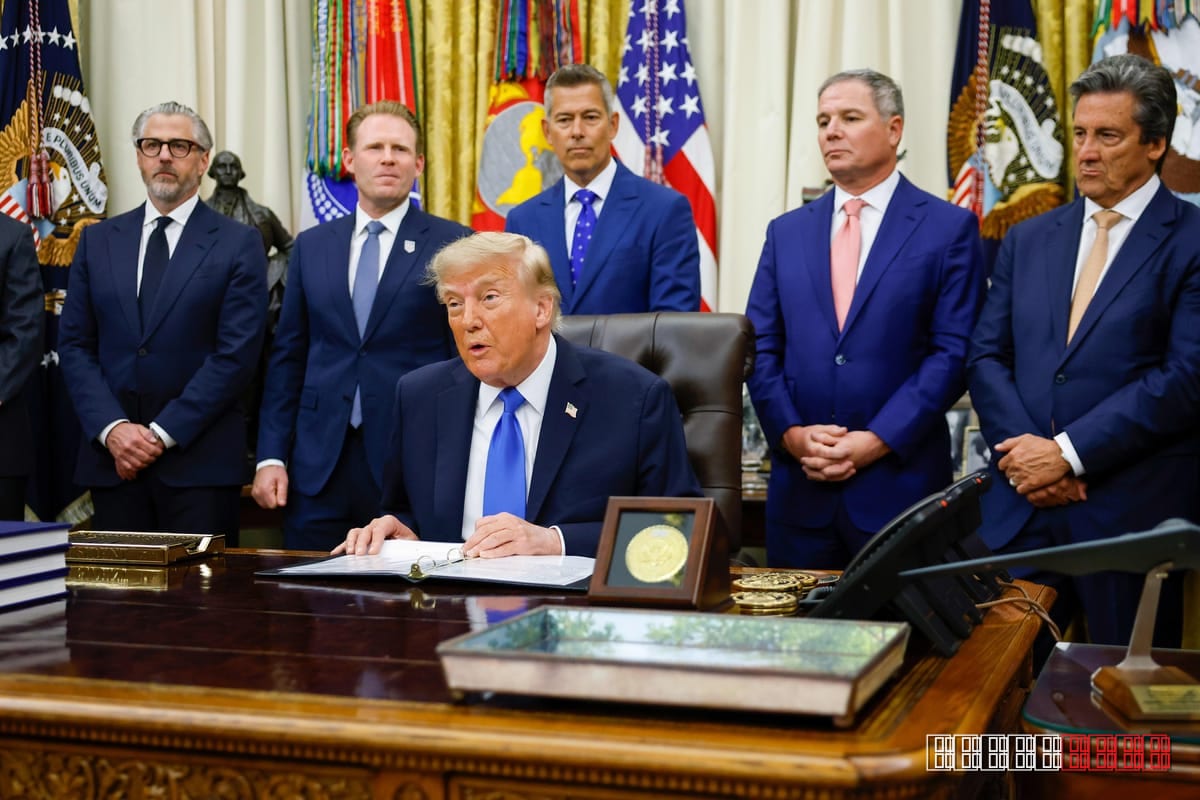
Former President Donald Trump, speaking at a press event in Florida, suggested the flare‑up would be brief, saying the renewed hostilities “won’t last too long.” His remarks were met with skepticism by regional analysts, who note that past cease‑fires in the area have often been temporary, with underlying disputes resurfacing months later.
The incident underscores the strategic importance of the Strait of Hormuz, a chokepoint through which roughly a fifth of global oil shipments pass. Any disruption there can ripple through international markets, affecting oil prices and supply chains. Historically, Iran has leveraged missile and drone capabilities to signal its displeasure with U.S. presence in the Gulf, while the United States has maintained a forward‑deployed posture to protect its interests and those of its allies.
In the broader context, the United States has been navigating a complex diplomatic landscape, balancing sanctions on Tehran with efforts to prevent a wider war. The latest attack could prompt a reassessment of force protection measures for U.S. troops abroad and may influence upcoming negotiations on the nuclear deal. Observers warn that without a diplomatic breakthrough, the region risks slipping into a cycle of retaliation that could draw in neighboring states such as Saudi Arabia and Israel.
Kuwait’s government has called for an urgent meeting of the Gulf Cooperation Council to address the security breach, emphasizing the need for a coordinated response. Meanwhile, the Pentagon is reportedly reviewing the incident to determine whether a proportional military reply is warranted, a decision that could shape the trajectory of U.S.-Iran relations in the months ahead.
This report is based on original reporting by CNBC. Read the original source →