Iran’s Regional Influence Strains Gulf Reconciliation Efforts
Tehran’s coercive tactics across the Middle East are increasingly jeopardising its attempts to normalize ties with Gulf neighbours, Al Jazeera reports.
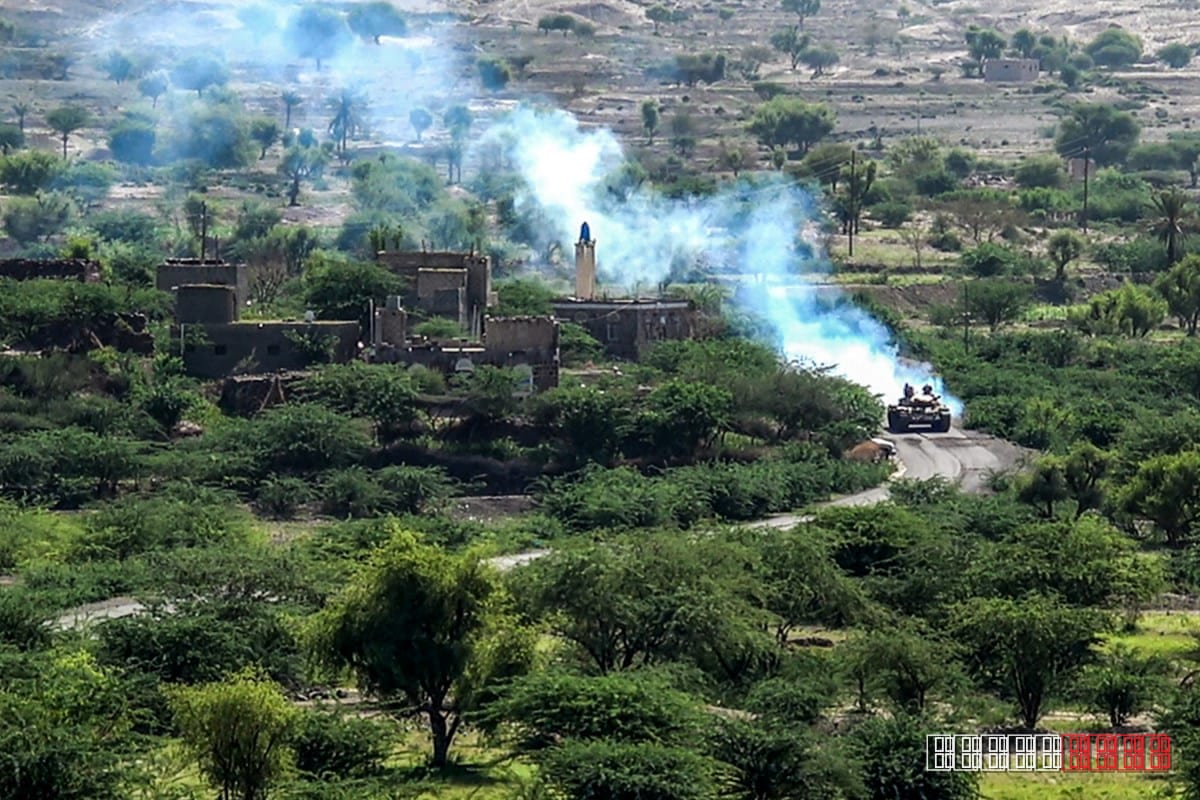
Iran’s ability to shape events in Iraq, Syria, Lebanon and Yemen has long been a cornerstone of its foreign policy. However, according to Al Jazeera, the Tehran’s reliance on pressure tactics is now eroding the fragile overtures it has made toward Gulf states such as Saudi Arabia and the United Arab Emirates. The article notes that the very leverage Iran has cultivated is becoming a liability as regional powers grow wary of being drawn into its strategic games.
The pressure Al Jazeera describes includes Tehran’s backing of militia groups, diplomatic intimidation, and the use of economic levers to influence neighboring governments. While these tools have afforded Iran a degree of sway, they also generate resentment among Gulf capitals that are seeking stability and economic cooperation. Recent diplomatic channels, including low‑profile talks facilitated by third‑party mediators, have stalled as the Gulf states question the long‑term benefits of engaging with a partner that continues to wield coercion.
Historically, Iran’s regional strategy has hinged on supporting allied movements and political factions that align with its ideological and security goals. This approach has allowed Tehran to project power beyond its borders, but it has also attracted sanctions and diplomatic isolation from the West. In the past decade, the Gulf Cooperation Council (GCC) has oscillated between confrontation and tentative dialogue with Tehran, especially after the 2015 nuclear deal offered a glimpse of possible détente. Yet, the re‑imposition of sanctions and ongoing proxy conflicts have kept mistrust alive.
The current strain matters because Gulf economies are heavily dependent on oil revenues and foreign investment, both of which can be disrupted by regional instability. Moreover, the prospect of a unified Gulf front against Iranian influence could reshape security arrangements, potentially drawing in external powers such as the United States and China. For Iran, the cost of maintaining its leverage may now outweigh the strategic gains, prompting analysts to question whether a recalibration of its foreign policy is imminent.
If Tehran wishes to revive its rapprochement with Gulf neighbours, it may need to curtail the use of pressure that has become a diplomatic burden. Observers suggest that confidence‑building measures, including the release of detained nationals and a reduction in militia support, could pave the way for more substantive talks. The unfolding dynamics will likely determine whether Iran can transition from a coercive regional actor to a constructive diplomatic partner.
This report is based on original reporting by Al Jazeera. Read the original source →