Iran Says Gulf Summit Delayed After Requests From Regional Nations
Iran announced the postponement of a planned meeting with Gulf states in Oman, citing appeals from several neighboring countries.
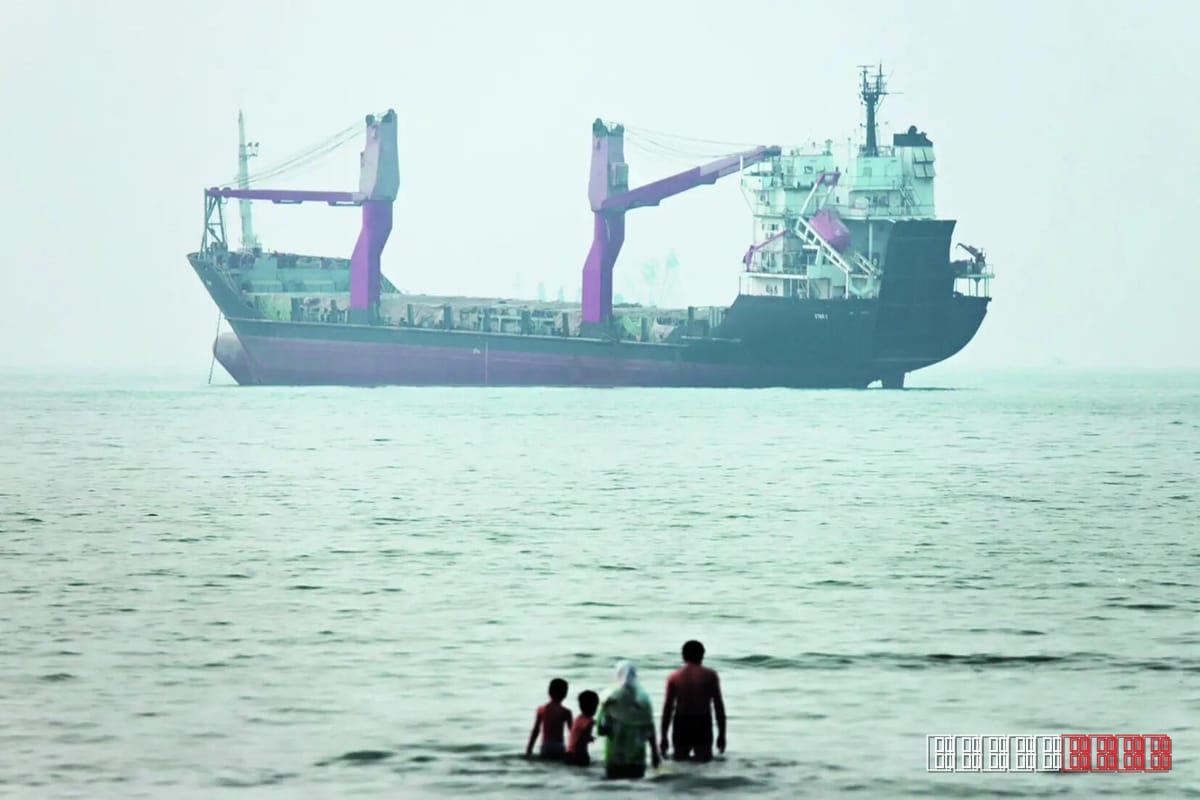
Iran confirmed that a high‑level gathering with Gulf Cooperation Council (GCC) members scheduled to take place in Muscat has been put on hold. The Iranian foreign ministry said the decision came after “some regional countries requested” the delay, a statement reported by the Times of India.
The postponed talks were expected to address lingering diplomatic friction, trade issues, and security concerns that have strained Iran’s relations with several Gulf states since the early 2020s. Oman, traditionally a neutral facilitator in Middle‑East diplomacy, was slated to host the dialogue, hoping to bridge gaps that have widened after incidents such as the 2022 drone attacks on Saudi oil facilities and the ongoing dispute over the Strait of Hormuz.
Officials in Tehran declined to name the specific nations that asked for the postponement, but analysts suggest that Saudi Arabia and the United Arab Emirates, both members of the GCC, may have sought more time to align their positions before engaging directly with Tehran. The move reflects a broader pattern where regional powers prefer to coordinate through back‑channel negotiations rather than public summits, especially when domestic politics or external pressures could complicate outcomes.
Historically, Oman has served as a quiet intermediary between Iran and its Gulf neighbours, hosting several rounds of informal talks since the 2010s. Its role gained prominence after the 2015 nuclear agreement, when Tehran and the Gulf states needed a trusted venue to discuss confidence‑building measures. The current postponement underscores the fragility of those diplomatic channels and hints at possible recalibrations in regional strategy.
The delay is expected to push the summit to later in the year, though no new date has been set. In the meantime, Iran has indicated it will continue bilateral discussions with individual Gulf countries and remain open to multilateral engagement when conditions are deemed favorable. Observers note that any future meeting will likely focus on de‑escalation mechanisms, maritime security, and the resumption of limited trade flows that have suffered under sanctions and reciprocal restrictions.
The development arrives as India, a major trade partner for both Iran and the Gulf, monitors the situation closely. New Delhi has been urging stability in the Persian Gulf to safeguard its energy imports and the safety of Indian workers stationed across the region. A stable Iran‑Gulf relationship could also influence broader geopolitical calculations involving the United States, China, and Russia, all of whom have strategic interests in the area.
This report is based on original reporting by Times of India. Read the original source →