Iranian deputy says Tehran no longer trusts US negotiations
Iran's deputy foreign minister declares the country has lost confidence in talks with Washington after the US rejected a Hormuz-related proposal.
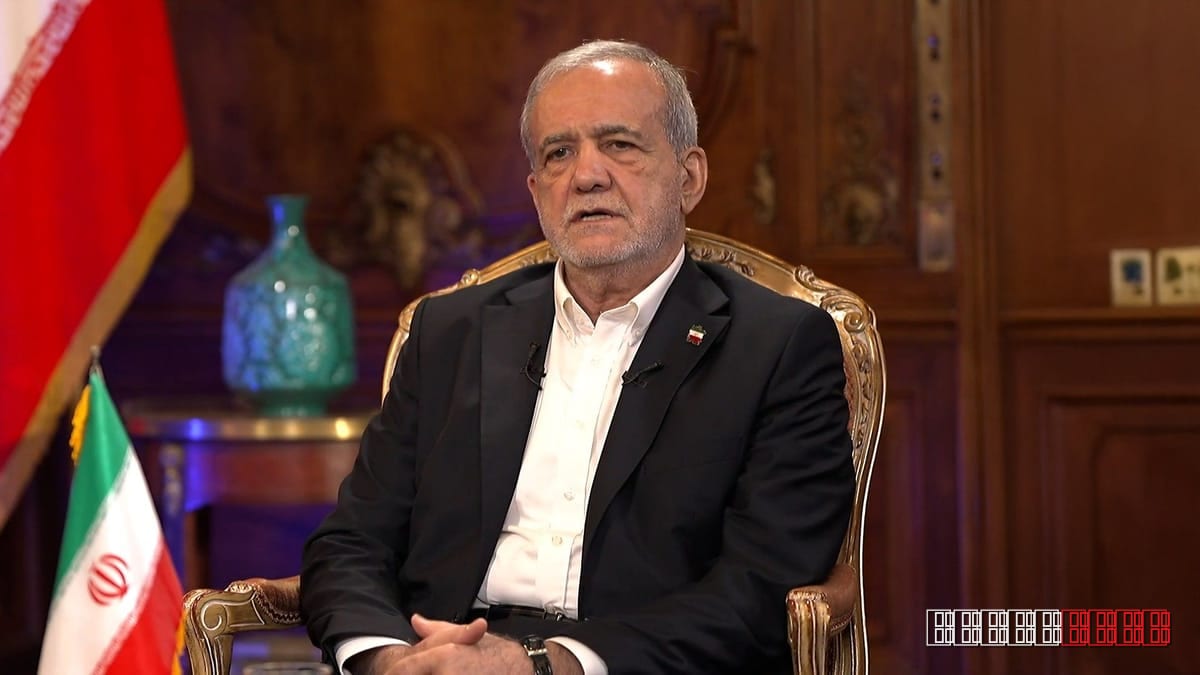
Iranian deputy foreign minister Masoud Pezeshkian told reporters that Tehran has reached a point where it can no longer trust diplomatic talks with Washington. Al Jazeera reported his comments came just hours after President Donald Trump dismissed a Tehran‑originated proposal concerning the strategic Strait of Hormuz.
Pezeshkian said the rejection underscored a growing gap between the two capitals and signaled that any future dialogue would have to start from a place of renewed confidence. He warned that without trust, negotiations on issues ranging from sanctions to regional security would be severely hampered.
The Hormuz proposal, which Iran presented as a confidence‑building measure to reduce tensions in the narrow waterway that channels a fifth of the world’s oil, was turned down by the Trump administration. While the exact terms of the offer were not disclosed, Tehran framed it as a step toward de‑escalation in exchange for a softer U.S. stance on economic restrictions.
U.S.–Iran relations have been volatile for decades, marked by the 1979 revolution, the 2015 nuclear agreement, and the United States’ 2018 withdrawal from that deal. Sanctions imposed after the withdrawal crippled Iran’s economy, while Tehran’s regional activities kept the two sides at odds. Trust, a scarce commodity in this history, has often been the linchpin of any diplomatic breakthrough.
The loss of trust cited by Pezeshkian could stall ongoing indirect talks facilitated by European powers and the United Nations. Analysts note that without a baseline of confidence, even modest proposals—such as limited naval deployments or phased sanction relief—are unlikely to gain traction. The stalemate also raises concerns for global oil markets, as any flare‑up in the Strait of Hormuz can quickly affect shipping routes and prices.
International observers, including the EU’s foreign policy chief, have called for both sides to re‑engage constructively, warning that prolonged disengagement risks widening the security vacuum in the Persian Gulf. Whether Tehran will seek alternative diplomatic channels or double down on pressure tactics remains to be seen, but the current impasse highlights the fragile nature of any future US‑Iran rapprochement.
This report is based on original reporting by Al Jazeera. Read the original source →