Iranian missile strike on Jordanian base triggers significant US aircraft losses
A reported Iranian attack on a Jordanian airfield has resulted in the United States losing several aircraft, raising regional security concerns.
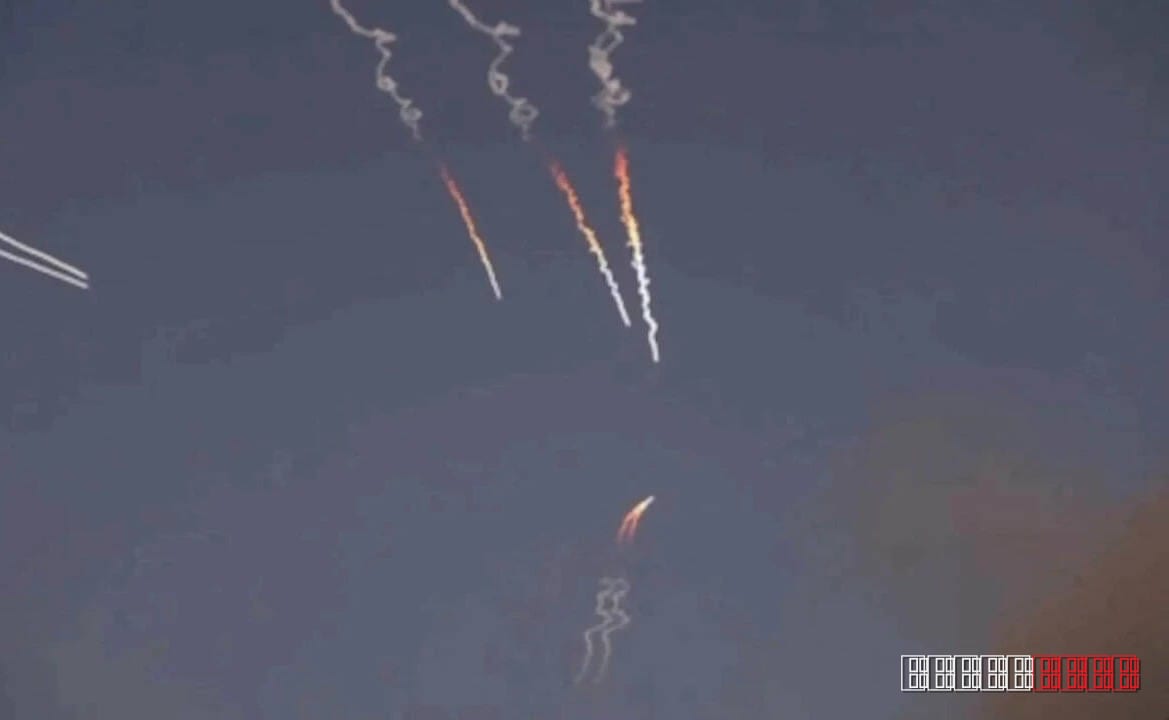
Iran allegedly launched a missile barrage at a Jordanian military airbase on Saturday, a strike that U.S. officials say caused the loss of multiple aircraft stationed there. According to Times of India, the attack damaged or destroyed a number of American planes, marking one of the most severe setbacks for U.S. air assets in the region in recent years.
The base, located near the Jordanian capital Amman, has been used by the United States for logistical support and reconnaissance missions tied to the broader conflict between Israel and Iran. U.S. defense spokespeople confirmed that several aircraft were rendered inoperable, though they declined to specify the exact models or the total count. The incident follows a pattern of escalating Iranian retaliation after a series of Israeli strikes on Iranian facilities in Syria.
Iranian officials have not officially claimed responsibility, but regional analysts interpret the move as a direct response to perceived Israeli aggression. The strike also underscores Tehran’s willingness to extend its reach beyond Syrian borders, targeting sites it believes are facilitating Israeli operations. Jordan, a key U.S. ally in the Middle East, has condemned the attack and called for an international investigation, emphasizing the need to protect sovereign territory from external hostilities.
Background and implications The United States maintains a modest but strategic presence in Jordan, providing air‑lift capabilities, intelligence gathering, and training assistance to Jordanian forces. Over the past decade, Jordan has served as a staging ground for U.S. operations aimed at counter‑terrorism and monitoring Iranian activities in the region. When Iranian forces target such facilities, the risk of broader confrontation rises, potentially drawing the U.S. deeper into a proxy conflict. Historically, similar attacks have prompted diplomatic protests and limited retaliatory strikes, but they rarely escalate into full‑scale military engagements.
The loss of aircraft could affect U.S. operational tempo, forcing a reassessment of force deployment and possibly accelerating the delivery of replacement assets. Washington is expected to coordinate closely with Amman to reinforce security measures at other joint installations and to deter further Iranian aggression.
The incident arrives at a time when diplomatic channels between Tehran and Washington remain strained, with both sides accusing each other of destabilising the region. Observers note that any miscalculation could have ripple effects on global oil markets and on the security of allied nations across the Middle East.
This report is based on original reporting by Times of India. Read the original source →