Israel proceeds with reopening of West Bank settlement despite protests
Around thirty families have moved into a previously closed settlement, sparking fear among nearby Palestinians and condemnation from the international community.
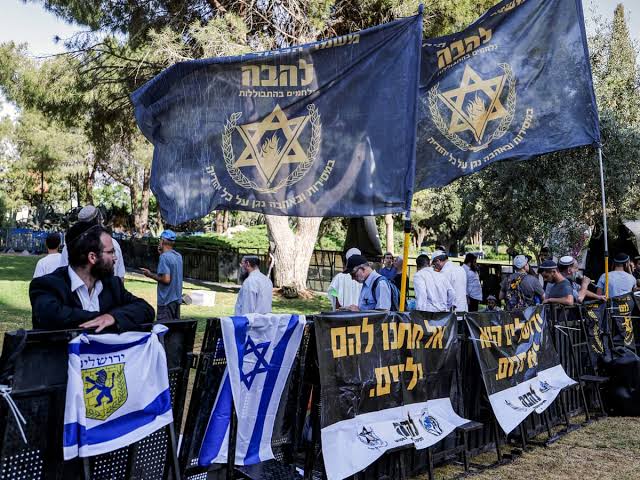
Israel has facilitated the return of roughly thirty families to a West Bank settlement that had been closed for years, a step that aligns with the current government's push to expand Jewish presence in the occupied territories. The families, described by officials as "pioneer" settlers, arrived this week amid a heightened sense of nationalism promoted by the Israeli leadership.
The settlement’s re‑establishment has drawn sharp criticism from a range of foreign governments and international bodies, which view the move as contravening longstanding calls for a freeze on new settlement activity. Diplomatic representatives from the European Union and the United Nations have issued statements urging Israel to halt further expansion, warning that such actions undermine prospects for a negotiated two‑state solution.
For Palestinians living in the vicinity, the arrival of the new residents has heightened anxiety. Local residents report concerns over possible restrictions on movement, land use disputes, and the potential for increased security measures that could affect daily life. Community leaders have voiced fears that the settlement’s reopening could lead to a broader pattern of demographic change in the area.
Israeli officials defend the decision, arguing that the settlement’s revival is a legitimate exercise of sovereignty and a response to the aspirations of citizens seeking to live in historic Judea and Samaria. They also note that the families have been provided with basic infrastructure and security arrangements.
The episode underscores the deepening divide between Israeli settlement policy and international diplomatic pressure. While the Israeli government continues to promote settlement growth as a national priority, the reaction from Palestinian communities and global actors suggests that the issue will remain a flashpoint in the broader conflict over the West Bank.