JLM presses Karnataka to keep Anubhava Mantapa under state control
The organization urged the government to retain management of the citizen‑forum after its own body voted to seek day‑to‑day oversight.
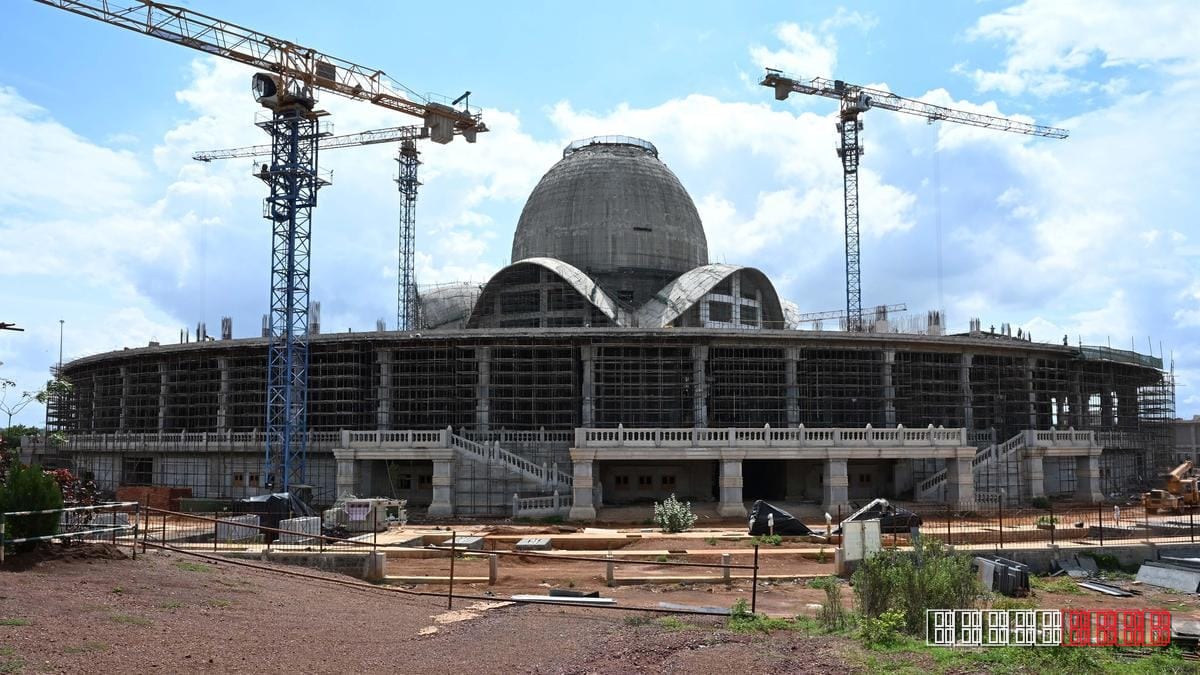
The Hindu reported that the Janata Lakshmibai Mandal (JLM) has formally asked the Karnataka government to continue overseeing the Anubhava Mantapa, a public platform intended for community dialogue and policy feedback. The appeal follows a resolution passed by JLM’s general body two days earlier, which sought to obtain day‑to‑day management of the institution from the state.
Anubhava Mantapa, launched by the Karnataka administration in recent years, functions as a “people’s forum” where citizens can raise grievances, propose ideas and interact directly with officials. Modeled on the historic Basava Samithi concept, the mantle aims to democratise decision‑making by bringing grassroots perspectives into the policy loop. The centre has hosted a series of workshops, town‑hall meetings and digital consultations on topics ranging from rural development to education reform.
JLM’s demand reflects a broader debate over the autonomy of such participatory bodies. While the state argues that direct management ensures consistency and resource allocation, critics contend that excessive government control could dilute the forum’s independence and limit genuine citizen input. The organization’s recent resolution, as noted by The Hindu, signals a strategic shift: rather than merely advising, JLM now seeks operational authority, hoping to shape the agenda more proactively.
The move arrives at a time when Karnataka is experimenting with several e‑governance initiatives aimed at enhancing transparency. Anubhava Mantapa’s future management structure could set a precedent for how similar citizen‑engagement platforms are administered across India. If the state accedes to JLM’s request, the organization would likely assume responsibilities such as scheduling sessions, coordinating with local NGOs, and managing the digital portal that records public submissions.
Stakeholders, including local NGOs, academic researchers and community leaders, are watching the negotiations closely. The outcome will affect not only the day‑to‑day functioning of the Mantapa but also the broader trajectory of participatory governance in the state. As the dialogue unfolds, both the government and civil society groups are expected to present detailed proposals outlining how management responsibilities could be shared without compromising the platform’s core purpose of amplifying citizen voices.
This report is based on original reporting by The Hindu. Read the original source →