JPMorgan chief urges sweeping US‑Europe trade pact to boost growth
Jamie Dimon says a comprehensive deal with Europe could dwarf current disputes and revitalize the Western economy, CNBC reports.
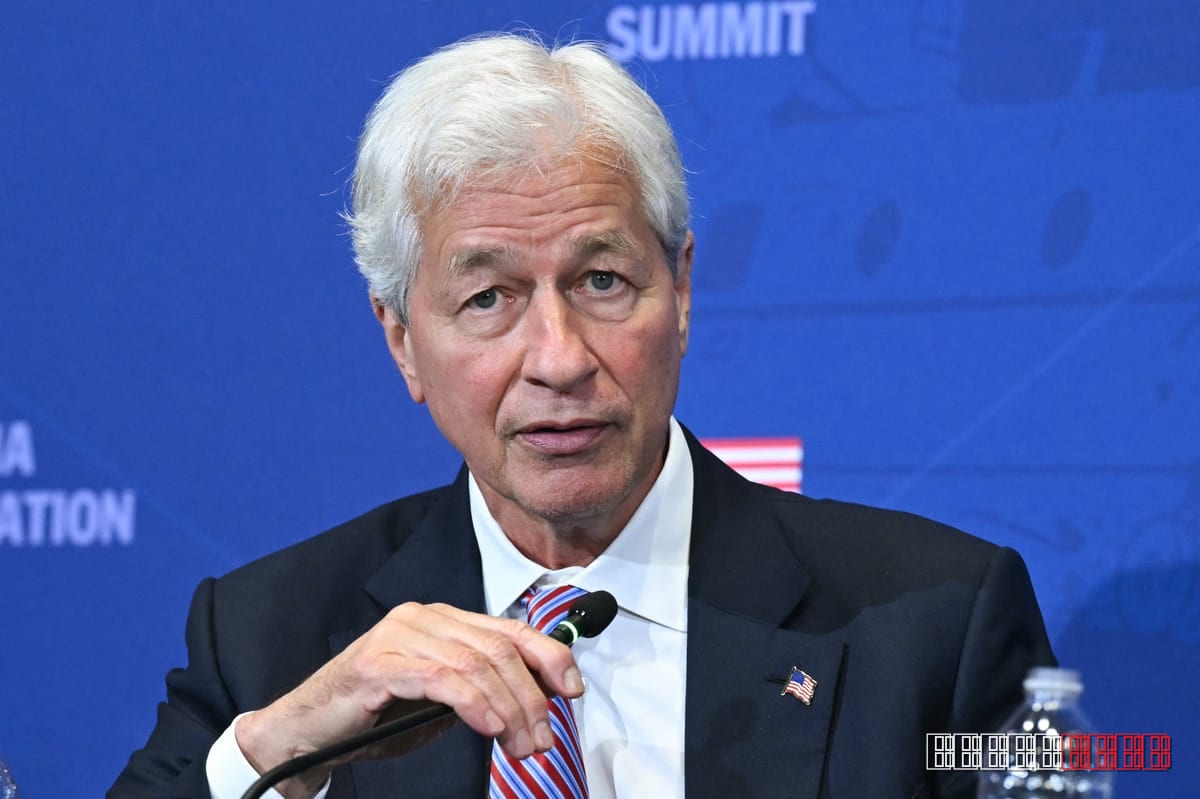
Jamie Dimon, chief executive of JPMorgan Chase, used a recent social‑media post to outline a bold vision for a new, continent‑spanning trade and investment agreement between the United States and Europe. He described the proposal as a "big, beautiful" deal that would eclipse the relatively minor disagreements that have dominated recent headlines, according to CNBC.
In his message, Dimon argued that the size and potential benefits of such a framework would far outweigh the friction over issues like aircraft subsidies, digital taxes, and electric‑vehicle incentives. He suggested that a coordinated approach could unlock billions in cross‑border investment, streamline regulatory standards, and reinforce the economic resilience of the West. CNBC noted that the JPMorgan boss emphasized the urgency of moving beyond “petty disputes” to a partnership that fuels growth on both sides of the Atlantic.
The call comes amid a period of heightened tension between Washington and Brussels. Over the past few years, the two economies have clashed over Boeing‑Airbus subsidy rulings, differing data‑privacy rules, and competing green‑technology subsidies. These disagreements have occasionally spilled over into tariffs and retaliatory measures, dampening trade volumes and creating uncertainty for multinational firms. Analysts point out that while the disputes are significant, they represent a fraction of the overall trade flow, which totals over $1 trillion annually.
JPMorgan, as one of the world’s largest banks, has a vested interest in smoother transatlantic commerce. The firm’s extensive corporate‑banking and capital‑markets operations rely on predictable regulatory environments and robust investment pipelines. Dimon’s advocacy reflects a broader lobbying effort by major financial institutions seeking clearer rules for cross‑border financing, especially in sectors like technology, renewable energy, and infrastructure. A more integrated US‑Europe framework could also help American firms navigate the EU’s stringent compliance landscape, while European exporters would gain better access to the U.S. market.
While the proposal remains a high‑level concept, Dimon’s public endorsement signals that senior corporate leaders are willing to push policymakers toward a more ambitious agenda. If pursued, such a deal could set a precedent for future regional collaborations, potentially reshaping supply chains and investment strategies worldwide. The next steps will likely involve diplomatic talks, stakeholder consultations, and detailed economic modeling before any formal agreement can be drafted.
This report is based on original reporting by CNBC. Read the original source →