Karnataka legislators clash over provenance of Kasturirangan water report
Members of the state assembly sparred over who commissioned the controversial water‑resource study, highlighting political fault‑finding ahead of its implementation.
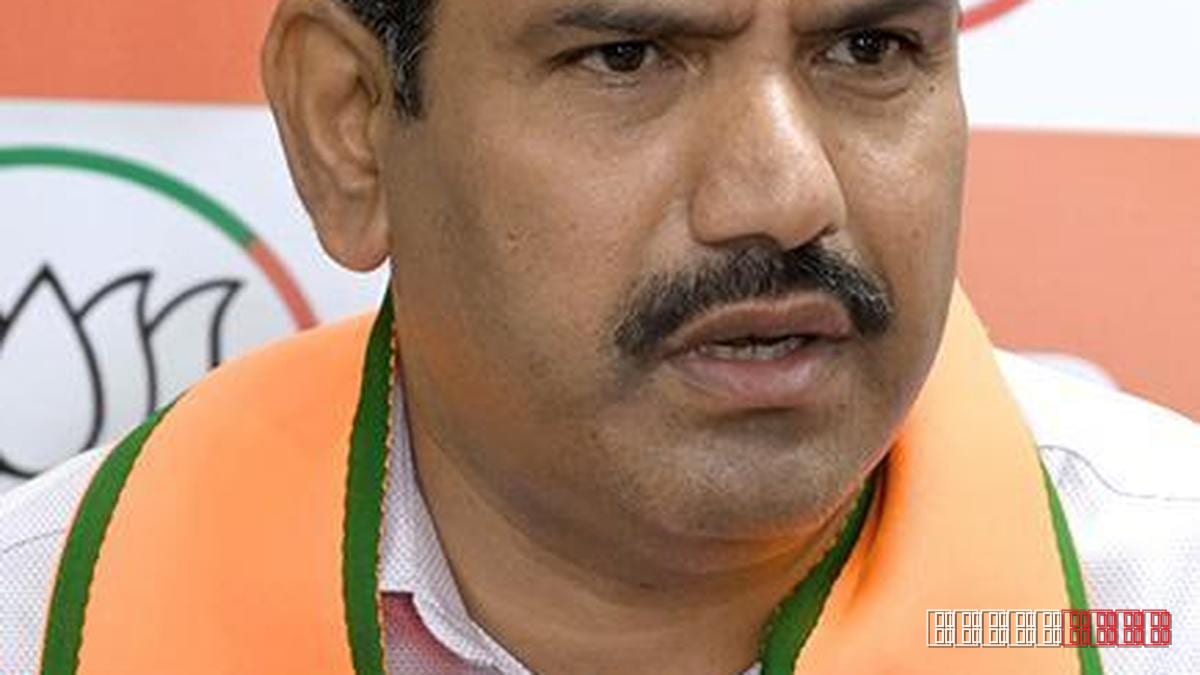
During a session of the Karnataka Legislative Assembly, opposition and ruling party lawmakers exchanged accusations about the origin of the Kasturirangan report, a document that outlines a long‑term strategy for addressing the state’s water shortages. According to The Hindu, the debate quickly turned into a blame‑game, with each side questioning the other’s role in commissioning the study and its subsequent recommendations.
The report, prepared by a committee led by former ISRO chief Dr. K. S. Kasturirangan, was submitted to the state government earlier this year. It proposes a mix of rainwater harvesting, inter‑basin water transfers, and infrastructure upgrades to meet the projected demand of Bengaluru and surrounding districts. While the findings have been praised by some experts as a comprehensive roadmap, political leaders have been quick to point fingers over who authorized the panel and whether the recommendations were politically motivated.
Opposition members asserted that the ruling coalition had delayed the report’s release to avoid scrutiny, whereas the government side countered that the opposition had previously opposed the formation of the committee. The verbal sparring reflected deeper tensions over water governance, a flashpoint in Karnataka politics for years.
Background context Karnataka has grappled with chronic water stress, especially in its capital, Bengaluru, where rapid urbanisation and erratic monsoons have strained supplies. The state has previously set up expert panels to study the issue, but implementation of their advice has often stalled amid bureaucratic hurdles and partisan disagreements. The Kasturirangan committee was tasked with delivering a scientifically grounded plan that could be acted upon across multiple ministries. Its recommendations, if adopted, could reshape water allocation, affect agricultural practices, and influence future urban planning. However, the politicisation of the report’s origin threatens to delay any concrete action, a pattern seen in earlier water‑related initiatives.
The assembly’s heated exchange underscores how technical reports can become entangled in partisan narratives, potentially sidelining urgent policy responses. Observers note that unless consensus is reached on both the report’s credibility and its execution, Karnataka’s water crisis may worsen, impacting millions of residents and the state’s economy.
The Hindu reported that the session concluded without a clear resolution, leaving the fate of the Kasturirangan recommendations uncertain as the legislative calendar moves forward.
This report is based on original reporting by The Hindu. Read the original source →