Karnataka Minister Affirms Full Roll‑out of Article 371(J) Benefits
Priyank Kharge says the state will now apply all provisions of Article 371(J) to boost development and local employment.
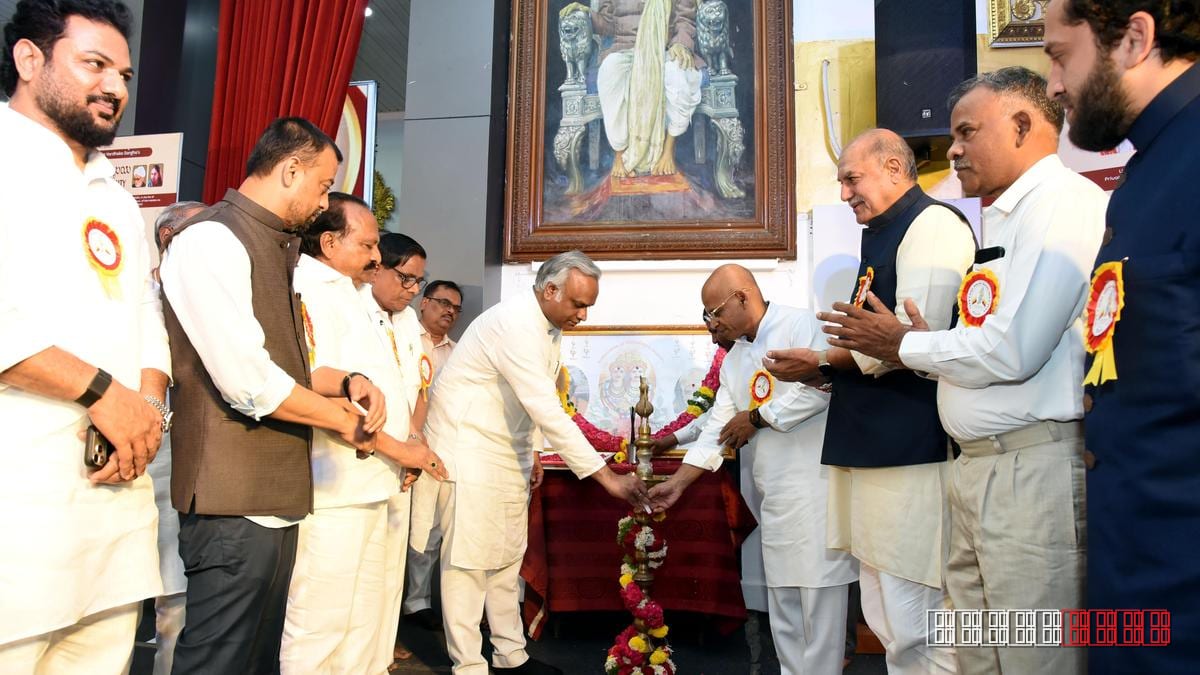
Karnataka’s minister for backward classes, Priyank Kharge, told reporters that the state government will now implement every clause of Article 371(J) without delay, The Hindu reported. The announcement came during a press meet in Bengaluru where Kharge outlined a timetable for the rollout of the special provisions that were added to the Constitution in 1994 to address regional disparities within the state.
Article 371(J) grants Karnataka a set of autonomous powers, chiefly the reservation of 50 percent of jobs in the public sector and educational institutions for residents of the state’s backward districts. It also allows the state to create a separate development board, the Karnataka Development Board, to channel funds for infrastructure, health and education projects in those areas. Since its enactment, the provisions have been applied unevenly, prompting criticism from local leaders who argue that many eligible districts have not seen the promised benefits.
Kharge said the government has now cleared pending approvals and will begin a phased deployment of the reservation quota across all state‑run enterprises, including the police, forest department and public utilities. He added that a dedicated monitoring cell will be set up to track compliance and address grievances. “We are committed to ensuring that every eligible candidate from the designated districts gets the opportunity they are constitutionally entitled to,” he asserted.
The move arrives at a time when Karnataka is grappling with uneven economic growth. While coastal and metropolitan regions such as Bengaluru and Mangalore enjoy robust tech‑driven economies, interior districts like Bellary, Kolar and Raichur lag behind on key development indicators. The full implementation of Article 371(J) is expected to channel additional resources into these lagging zones, potentially narrowing the gap.
Historically, Article 371(J) was introduced after prolonged agitations by backward‑region groups demanding greater fiscal autonomy and job reservations. Over the past three decades, the provisions have been invoked intermittently, often subject to political negotiations at the state and centre. Analysts note that a consistent application could improve social equity but also warn that it may spark resistance from non‑resident aspirants competing for limited state jobs.
The minister’s pledge signals a decisive shift toward honoring the constitutional promise made to Karnataka’s marginalized districts. If the rollout proceeds as outlined, the next few months will be critical for assessing the administrative capacity to manage the expanded reservation framework and for measuring its impact on regional development.
For more details, see the full report by The Hindu.
This report is based on original reporting by The Hindu. Read the original source →