Karnataka's AI University Panel Convenes, Outlines Step‑by‑Step Rollout
The inaugural meeting of the advisory committee, led by Infosys co‑founder Kris Gopalakrishnan, set out a phased plan to launch the state's dedicated artificial intelligence university.
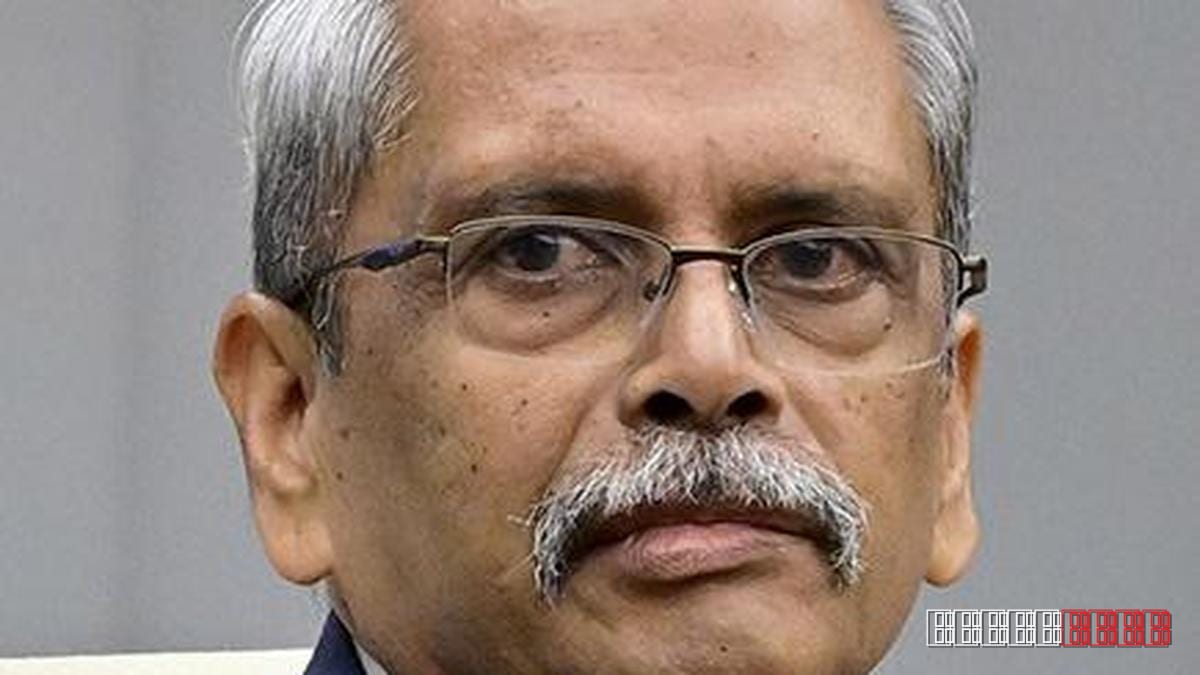
The advisory panel tasked with shaping Karnataka’s proposed artificial‑intelligence university held its first session on Tuesday, according to The Hindu. Participants reviewed a roadmap that envisions the campus being built and operational in stages, rather than as a single, fully‑fledged institution.
The committee is chaired by Kris Gopalakrishnan, the Infosys co‑founder who now heads Axilor Ventures, while N. Manjula, secretary of the Department of Electronics, IT, Biotechnology and Science & Technology, serves as co‑chair. Members include senior academics, industry leaders and representatives from the state’s technology ministries, all charged with aligning the university’s curriculum, research agenda and infrastructure with emerging AI demands.
During the meeting, the panel outlined a three‑phase implementation model. Phase 1 will focus on establishing a core research centre and launching a limited set of postgraduate programmes in machine learning and data science. Phase 2 aims to expand undergraduate offerings and create industry‑linked incubation hubs. The final phase envisions a full campus with residential facilities, interdisciplinary labs and partnerships with global AI institutes. The timeline, though not publicly disclosed, is expected to span the next five to seven years.
Karnataka announced its intent to create a dedicated AI university in 2023, positioning the state as a hub for advanced technology education in India. The move aligns with the central government’s broader push to develop AI talent and infrastructure, following similar initiatives in states like Andhra Pradesh and Maharashtra. By adopting a phased approach, Karnataka hopes to mitigate financial risk while allowing curricula to evolve alongside rapid advances in AI research.
If successful, the university could attract students from across the country and bolster the local tech ecosystem, which already hosts major IT firms and startups. Industry stakeholders anticipate a pipeline of skilled graduates ready to contribute to sectors ranging from healthcare to autonomous systems, potentially accelerating regional economic growth.
The panel will meet quarterly to monitor progress, refine the rollout schedule and ensure alignment with both state policy and industry needs. The Hindu noted that the first meeting set a collaborative tone, emphasizing transparency and stakeholder engagement as cornerstones of the project.
This report is based on original reporting by The Hindu. Read the original source →