Lahaul‑Spiti launches disaster readiness after Ghepan glacial lake swells
Authorities in Himachal Pradesh mobilise evacuation drills and early‑warning systems as a rapidly expanding glacial lake threatens downstream communities.
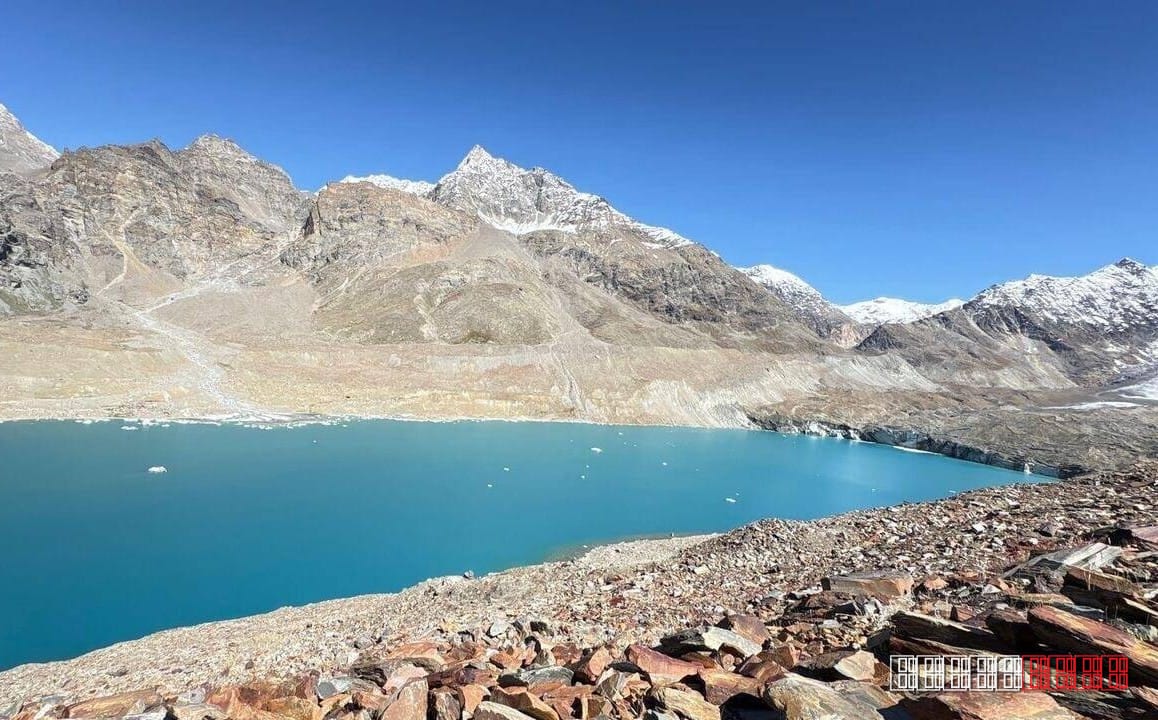
The Himachal Pradesh government has kicked off a focused disaster‑readiness campaign in the Lahaul‑Spiti district after the Ghepan glacial lake showed a sudden rise in water level, officials said. According to the Times of India, the lake’s expansion has heightened fears of a glacial‑lake outburst flood (GLOF) that could inundate villages along the Spiti River.
State disaster management officials are conducting mock evacuations in vulnerable hamlets, installing real‑time water‑level sensors around the lake’s perimeter, and reinforcing key bridges that connect remote settlements. Community volunteers are being briefed on emergency routes, and radio alerts are being tested to ensure swift communication should the lake breach its moraine.
Glacial lakes have multiplied across the Himalayas in recent decades as rising temperatures accelerate glacier melt. Scientific surveys estimate that the Indian Himalaya now hosts more than 1,200 such lakes, many of which sit behind unstable natural dams. Past GLOF events, such as the 2021 flood in Uttarakhand’s Kedarnath valley, have caused loss of life and extensive infrastructure damage, underscoring the growing threat.
Lahaul‑Spiti’s rugged terrain and sparse road network make rapid response particularly challenging. The district, a popular summer trek‑king destination, draws tourists who may be unfamiliar with the region’s hazard profile. By pre‑positioning rescue equipment and training locals, authorities hope to mitigate both human and economic losses.
The state’s disaster management authority is coordinating with the National Disaster Management Authority and the Indian Meteorological Department to monitor the lake’s stability. Officials expect the readiness drive to continue for the next two months, with periodic assessments to determine if further evacuation orders are needed. The initiative reflects a broader shift toward proactive climate‑adaptation strategies in India’s high‑altitude zones.
This report is based on original reporting by Times of India. Read the original source →