Land disputes and chief minister's absence to shape Telangana Assembly session
The upcoming monsoon session faces heated debate over prohibited lands while K. Chandrashekar Rao remains away from the floor.
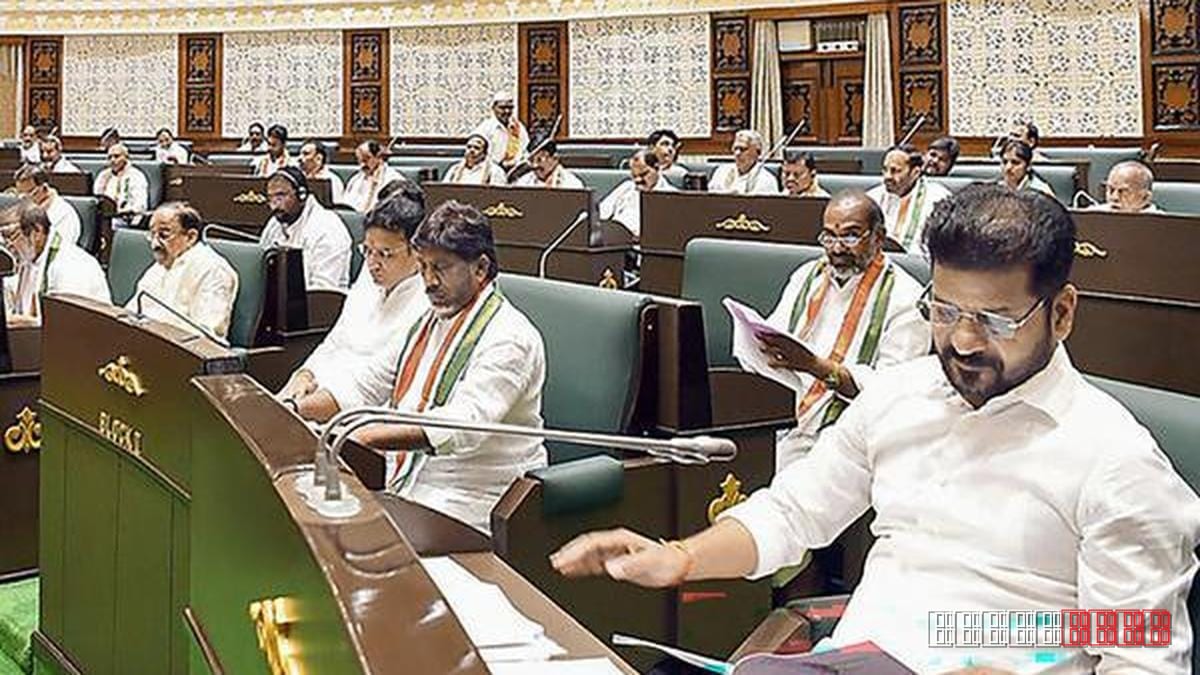
The monsoon session of the Telangana Legislative Assembly is slated to begin on Monday, but two issues are already expected to dominate proceedings. According to The Hindu, legislators will grapple with the status of several parcels of land that the state government has classified as “prohibited,” a designation that restricts commercial development and has sparked controversy among local stakeholders. At the same time, chief minister K. Chandrashekar Rao (KCR) is unlikely to attend the opening, a development that political observers say could shift the balance of power within the house.
The “prohibited lands” controversy stems from a 2022 notification that earmarked thousands of acres for conservation and public use, barring private investors from acquiring them. Critics argue the move was politically motivated, pointing to alleged irregularities in the way the lands were identified and the compensation offered to original owners. The opposition parties have pledged to raise the matter in the assembly, demanding a review of the notification and greater transparency in the allocation process.
KCR’s absence, confirmed by his office as a health‑related precaution, adds another layer of uncertainty. The chief minister has traditionally presided over key sessions, using his presence to steer debates and rally party members. Without him, senior minister K. T. Rama Rao (KTR) and other senior leaders are expected to take on a more prominent role, potentially altering the legislative agenda and the way votes are marshaled.
Background context Telangana’s land policies have been a flashpoint since the state’s formation in 2014, with successive governments wrestling to balance development goals against the rights of farmers and tribal communities. Prohibited land designations are meant to protect ecologically sensitive zones, but they have also been leveraged to curb opposition to large‑scale projects. The issue often resurfaces during assembly sessions, where it can trigger protests, legal challenges, and intense party‑line battles. KCR’s health‑related hiatus is notable because his personal charisma has been a decisive factor in previous legislative outcomes, and his absence may give opposition parties a rare opening to press their agenda.
Analysts suggest that the combination of land‑related grievances and the chief minister’s non‑attendance could lead to a more contentious session than usual. If the opposition succeeds in forcing a debate on the prohibited lands, it may set a precedent for future land‑use reforms across the state. Conversely, the ruling party’s ability to manage the session without KCR will be closely watched as a test of its internal cohesion.
The assembly is expected to reconvene for a two‑week period, after which a summary of passed bills and motions will be released. Stakeholders from agrarian groups to real‑estate developers are already positioning themselves for the outcomes that could reshape land policy in Telangana for years to come.
This report is based on original reporting by The Hindu. Read the original source →