Legal challenge targets Brij Bhushan's acquittal on grounds of victim bias
A petition questions the court's reasoning in clearing Brij Bhushan, arguing it rests on outdated stereotypes about sexual assault survivors.
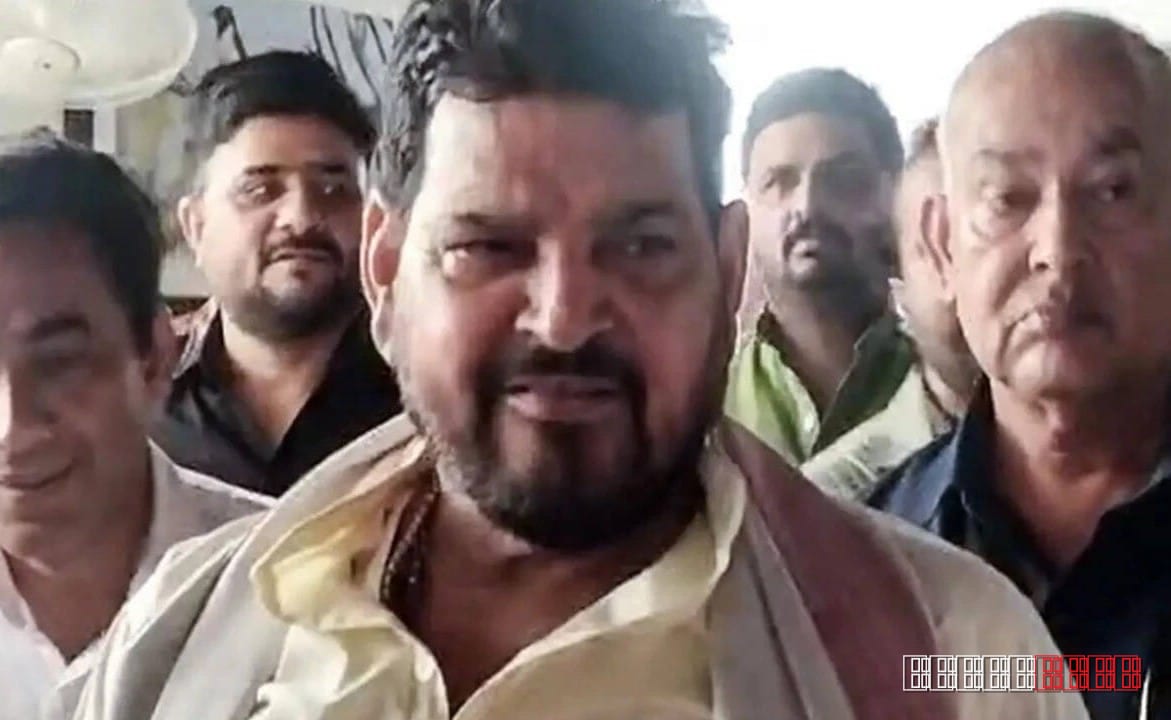
A petition filed in a Delhi court has contested the recent acquittal of former MP Brij Bhushan, asserting that the judgment relies on “stereotypical assumptions” regarding the credibility of sexual‑assault victims. According to the Times of India, the petitioners argue that the trial court dismissed key testimony because the complainant’s behavior did not fit conventional expectations of a “victim” (Times of India). They seek a review of the decision, contending that such reasoning undermines the protection afforded to survivors under Indian law.
The case stems from a 2022 allegation that Bhushan, a member of the ruling party, sexually assaulted a woman who worked as his aide. The trial court acquitted him in early 2024, citing insufficient evidence and questioning the complainant’s consistency. Critics say the judgment reflects a broader judicial tendency to scrutinize a victim’s demeanor, attire, or prior relationship with the accused, rather than focusing solely on forensic and corroborative evidence.
India’s criminal justice system has, in recent years, grappled with how to balance the rights of the accused against the need to protect victims of sexual violence. The 2013 Criminal Law (Amendment) Act introduced stricter punishments and a broader definition of consent, while the 2018 Supreme Court ruling in Vikram Singh v. State emphasized that a survivor’s credibility should not be judged by societal stereotypes. Nonetheless, high‑profile cases often reignite debate over whether courts are fully applying these principles.
Legal experts note that challenges like the one against Bhushan’s acquittal can trigger a revisit of evidentiary standards, potentially prompting higher courts to issue clarifying directives. If successful, the petition could set a precedent that discourages reliance on victim‑blaming narratives, reinforcing the jurisprudence that the burden of proof lies with the prosecution, not the survivor.
The petitioners have asked the Delhi High Court to stay the acquittal and order a fresh hearing, emphasizing that the trial court’s approach may deter other victims from coming forward. The outcome will be closely watched by women's rights groups and political observers, who see the case as a litmus test for India’s commitment to addressing sexual violence without prejudice.
The broader implications extend beyond a single politician’s fate. As India continues to confront a high incidence of gender‑based crimes, the judiciary’s stance on victim stereotypes will influence public confidence in the legal system and shape future legislative reforms aimed at safeguarding survivors.
This report is based on original reporting by Times of India. Read the original source →