Lyft Signals New Push into Autonomous Ride‑Sharing
Lyft says it is stepping into the robotaxi arena as AI becomes central to future mobility, TechCrunch reports.
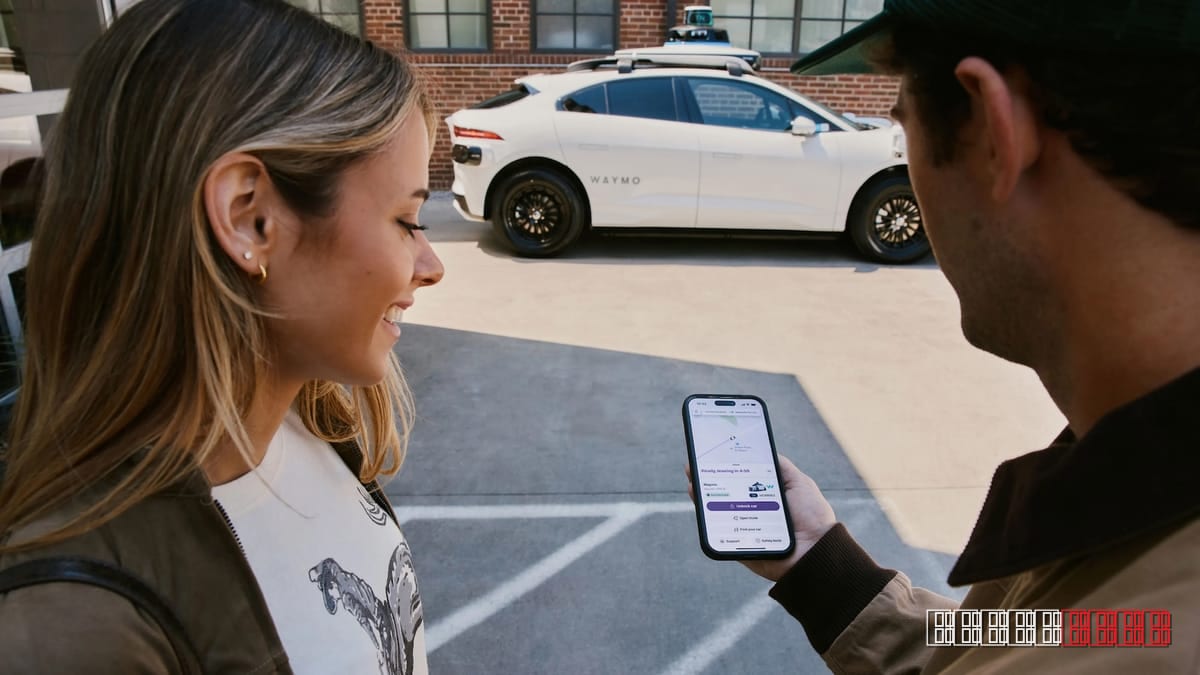
Lyft announced its intention to join the growing robotaxi market, signaling a strategic shift toward fully autonomous ride‑sharing services, according to TechCrunch. The company’s move reflects a broader industry trend where artificial intelligence is increasingly embedded in vehicle operation, passenger safety and fleet management.
The ride‑hailing giant has not disclosed detailed timelines or specific partners, but its entry into the “robotaxi chat” suggests it will explore collaborations with autonomous‑driving firms and possibly develop its own self‑driving technology stack. Industry observers note that Lyft’s existing network of drivers and data could give it a competitive edge if it successfully integrates driverless cars into its platform.
Robotaxis—autonomous vehicles that operate without a human driver for on‑demand trips—have been piloted in several U.S. cities by companies such as Waymo, Cruise and Zoox. While early trials have demonstrated the feasibility of driverless rides, widespread commercial rollout has been slowed by regulatory hurdles, safety concerns and the high cost of sensor suites. Lyft’s participation could accelerate adoption by leveraging its large user base and existing logistics infrastructure.
Lyft’s history with autonomous technology dates back to its 2017 partnership with autonomous‑vehicle startup Motional, which ended in 2022. Since then, the company has focused on integrating AI tools for route optimization and dynamic pricing. Re‑entering the robotaxi space may allow Lyft to combine its AI‑driven dispatch systems with fully driverless cars, potentially lowering per‑ride costs and expanding service to areas currently underserved by human drivers.
Analysts caution that success will depend on Lyft’s ability to navigate complex safety standards and secure reliable sensor data. If the company can overcome these barriers, its robotaxi offering could reshape urban mobility, offering a seamless, on‑demand experience that rivals traditional taxi services and public transit.
TechCrunch highlighted that Lyft’s latest statement underscores a growing belief that AI will be a cornerstone of next‑generation transportation, a sentiment echoed across the mobility sector as firms race to commercialize autonomous fleets.
This report is based on original reporting by TechCrunch. Read the original source →