Madanapalle's handloom artisans grapple with shrinking profits and fading tradition
Economic pressure, health risks and power‑loom competition are forcing the town's silk saree weavers to confront an uncertain future.
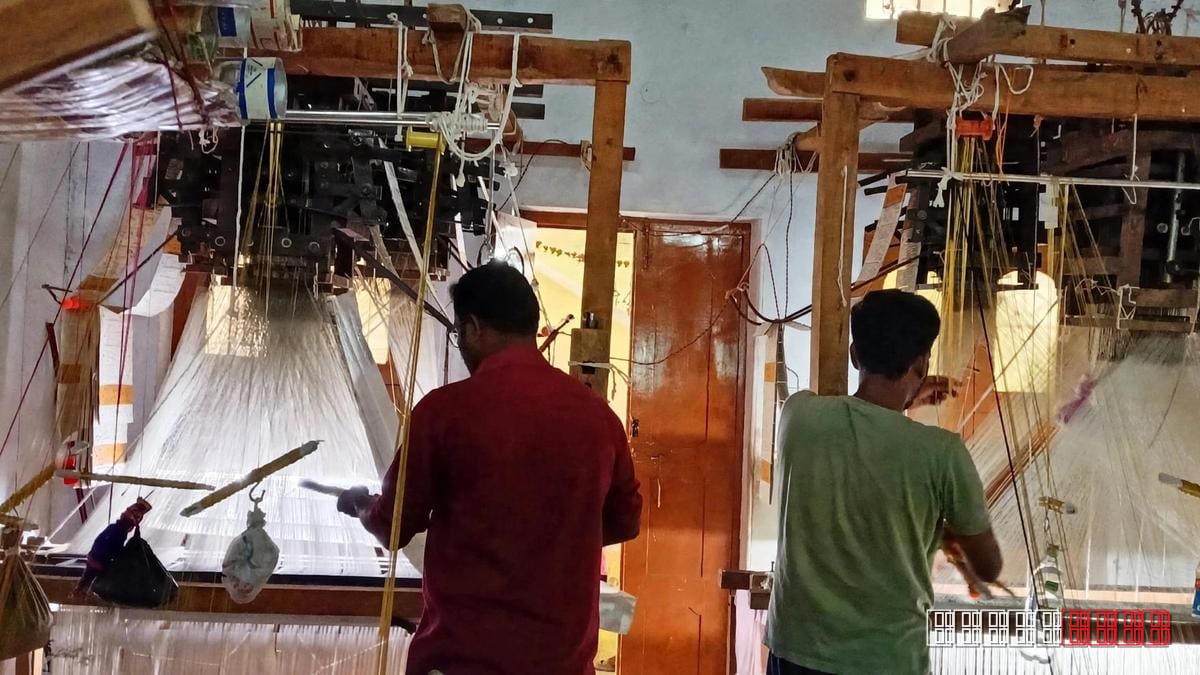
The handloom community of Madanapalle, a town in Andhra Pradesh famed for its silk sarees, is confronting a steep decline in earnings that threatens both livelihoods and a centuries‑old cultural identity. According to The Hindu, weavers now earn far less than a decade ago, making the craft increasingly untenable for families that have relied on it for generations.
A combination of factors is eroding the viability of the trade. Low market prices for hand‑woven fabrics, rising costs of raw silk and the physical toll of long hours on looms have led many artisans to report health problems such as back pain and eye strain. At the same time, younger members of weaving families are reluctant to take up the demanding work, preferring jobs that promise steadier income and less physical strain, The Hindu noted.
The surge of power‑loom manufacturers adds another layer of difficulty. These mechanised units can produce similar designs at a fraction of the cost and in a fraction of the time, flooding regional markets with cheaper alternatives. As a result, traditional handloom products struggle to find buyers beyond niche segments, pushing many weavers toward debt or forcing them to abandon the loom altogether.
India’s handloom sector, which employs over 4.5 million people nationwide, has long been championed as a pillar of cultural heritage and rural employment. Government initiatives such as the Handloom Mark and various subsidy schemes aim to protect artisans, yet implementation gaps and limited market access often blunt their impact. The situation in Madanapalle mirrors broader trends: as urban consumers gravitate toward fast fashion, the demand for labor‑intensive hand‑woven textiles wanes, leaving entire communities at risk of losing a craft that once defined regional identity.
Local cooperatives are attempting to reverse the tide by promoting the unique story behind Madanapalle silk, seeking export opportunities, and organizing health‑awareness workshops for workers. While these efforts provide a glimmer of hope, the weavers’ survival hinges on sustained policy support, better price realization, and a renewed appreciation for hand‑crafted fabrics among younger consumers.
This report is based on original reporting by The Hindu. Read the original source →