Marine heatwave reshapes life in British seas
Rising ocean temperatures are pushing native species north and drawing rare visitors like sunfish into UK waters.
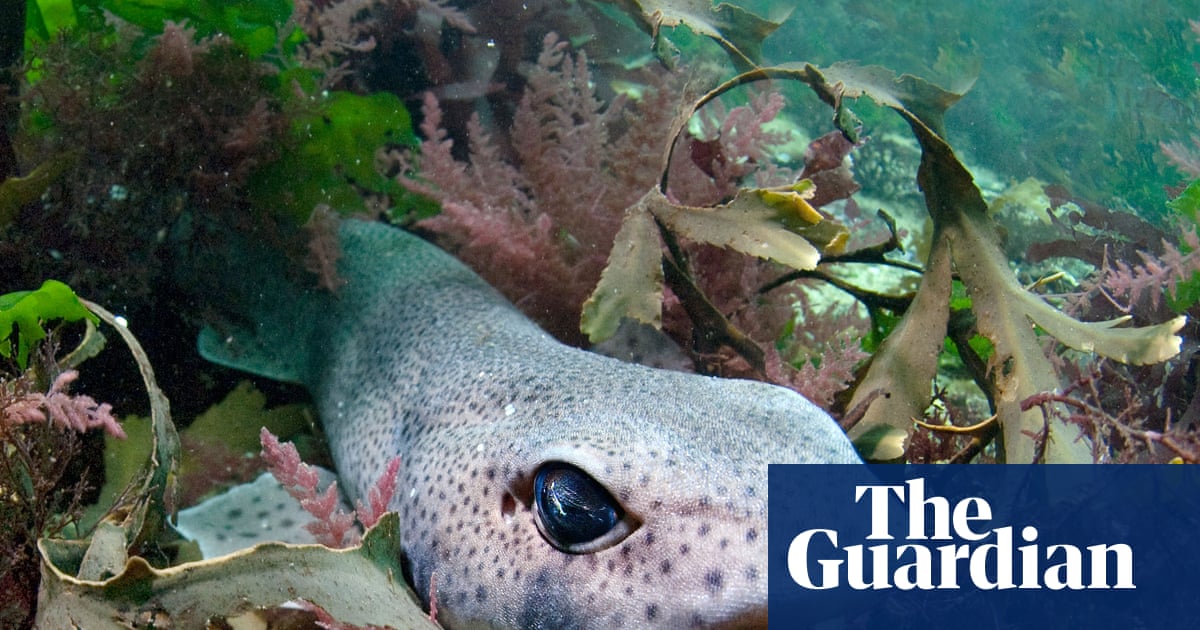
Marine heatwaves – short‑lived periods of unusually warm water – are becoming a new normal in the United Kingdom’s coastal waters. Scientists monitoring sea‑surface temperatures have recorded a steady rise over the past decade, a trend that forces traditionally cold‑water species to seek cooler habitats farther north. At the same time, fish and mammals that once lingered only in subtropical zones are appearing with increasing regularity along British coasts.
One vivid illustration came from Kurt Lander, skipper of the Yellowfin charter boat operating out of Brighton. While navigating the busy Channel shipping lane, Lander thought he saw a person waving in the water. A closer look with binoculars revealed a pair of ocean sunfish, or Mola mola, lying on their sides and rhythmically flapping their dorsal fins. “They do it as a visual attraction to birds,” Lander explained, noting that the fish appear to invite seabirds to pick off external parasites. Such behaviour, once a curiosity far from UK shores, is now being reported more often by local mariners and coastal observers.
The influx of warm‑water species is not limited to sunfish. Recent surveys have documented higher numbers of bluefin tuna, manta rays, and even tropical jellyfish in waters that were historically too cold for them. Conversely, native species such as cod, haddock and certain shellfish are migrating northward or experiencing reduced recruitment rates, raising concerns for commercial fisheries that rely on these stocks.
Ecologists warn that the shifting distribution of marine life could ripple through the food web, altering predator‑prey dynamics and impacting seabird feeding grounds. While some stakeholders view the new arrivals as a boost to eco‑tourism, others stress the need for adaptive management to protect vulnerable native populations and sustain the fishing industry.
The pattern mirrors broader climate‑driven changes observed in oceans worldwide, underscoring the urgency of monitoring marine heatwaves and their ecological consequences. As the UK adapts to a warmer maritime environment, the sight of sunfish gliding beneath the Channel may become a familiar, if still remarkable, part of the seascape.
Original reporting: The Guardian.