Massive Kyiv strike leaves at least 13 dead, highlighting air‑defence gaps
A large‑scale attack on the Ukrainian capital hit residential blocks and warehouses, underscoring shortages in Ukraine’s air‑defence arsenal.
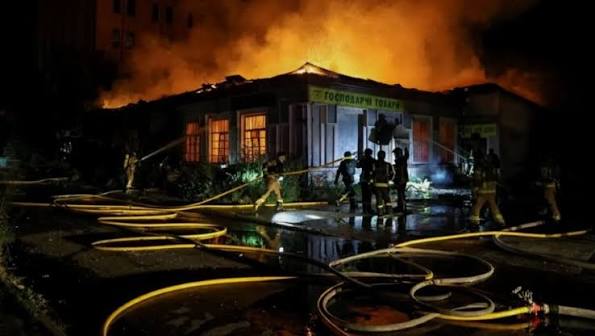
A coordinated strike on Kyiv on Thursday resulted in at least 13 fatalities, according to local officials. The assault targeted a cluster of apartment buildings and nearby warehouses, turning parts of the city into a scene of rubble and smoke.
Emergency responders rushed to the affected neighborhoods, working through collapsed structures to locate survivors and retrieve bodies. Residents described the sound of multiple explosions followed by a wave of fire that engulfed the residential blocks. Hospitals in the capital reported receiving a surge of civilians with blast‑related injuries, while rescue teams continued to sift through debris for anyone still trapped.
Ukrainian authorities said the scale of the attack exposed persistent shortfalls in the nation’s air‑defence network. Over the past months, Kyiv has faced a steady stream of missile and drone incursions, and officials argue that a lack of modern interceptors has left the city increasingly vulnerable. While Western allies have pledged additional systems, the delivery of advanced air‑defence equipment has been slower than needed to match the intensity of Russian strikes.
The incident arrives as Ukraine grapples with a broader security challenge. Analysts note that Russia has intensified its aerial campaign, aiming to pressure the capital and erode civilian morale. In response, Kyiv has ramped up civil‑defence drills and urged citizens to seek shelter during alerts, but the recent casualties highlight the limits of those measures when protective hardware is scarce.
International reactions have called for accelerated aid, emphasizing that bolstering Ukraine’s air‑defence capability is essential to safeguard civilian lives. As rescue operations wind down, the city mourns the loss of at least 13 people, while the broader conflict underscores the urgent need for more robust defensive assets.