Mediated US‑Iran talks stall as US midterms loom
Diplomats say a breakthrough before the November elections remains doubtful despite ongoing negotiations.
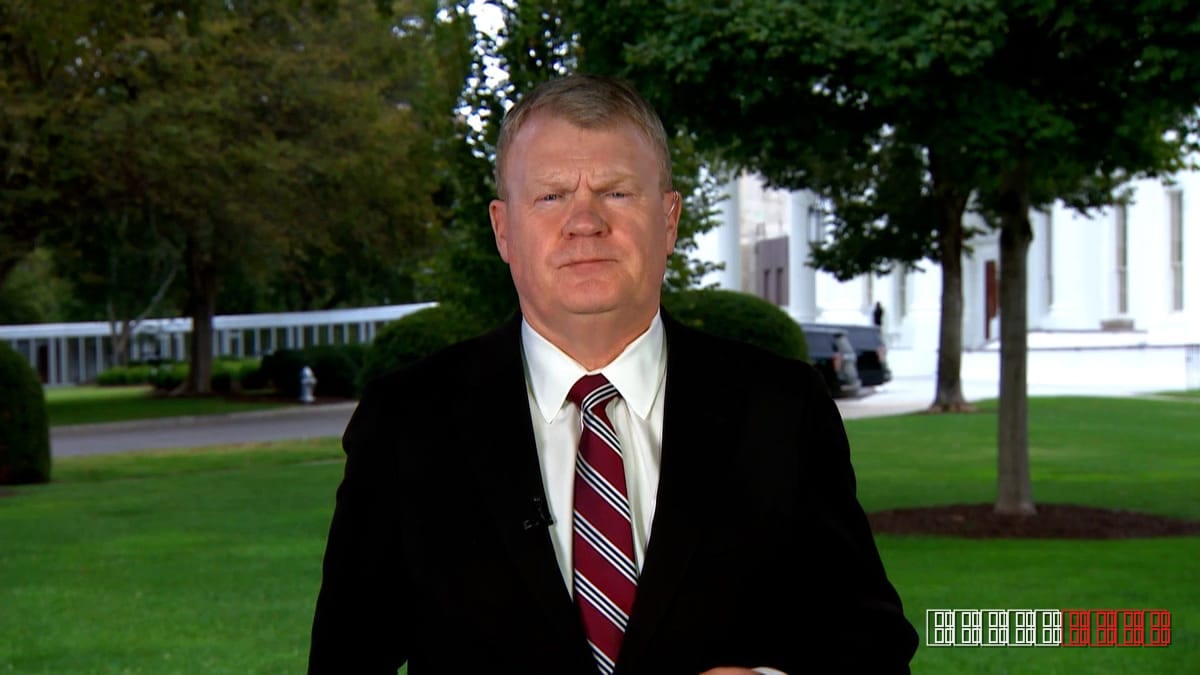
Negotiations between Washington and Tehran are proceeding through third‑party mediators, but analysts say a comprehensive agreement is unlikely to be reached before the United States holds its midterm elections in November. Al Jazeera reported that both sides continue to exchange positions, yet fundamental disagreements over the shape of any future pact persist.
The core of the impasse revolves around Iran’s nuclear programme and the breadth of sanctions relief the United States is prepared to offer. Tehran insists on a full lift of economic restrictions tied to its nuclear commitments, while Washington demands stricter verification mechanisms and limits on Tehran’s regional activities, according to Al Jazeera. Both parties have signaled willingness to keep dialogue open, but the gap in expectations appears too wide for a swift resolution.
Domestic politics in the United States add a further layer of complexity. The upcoming midterm elections will determine the balance of power in Congress, influencing the administration’s leverage in foreign negotiations. Historically, U.S. presidents have faced pressure to demonstrate diplomatic successes ahead of elections, yet a rushed deal could jeopardise long‑term strategic interests. Lawmakers on both sides of the aisle have voiced skepticism about conceding too much without solid guarantees, a sentiment reflected in recent congressional hearings.
The current round of talks follows a turbulent history of US‑Iran engagement. The 2015 Joint Comprehensive Plan of Action (JCPOA) temporarily curbed Iran’s nuclear enrichment in exchange for sanctions relief, but the U.S. withdrawal in 2018 and Iran’s subsequent steps away from compliance reignited tensions. Attempts to revive the accord in 2022 and 2023 collapsed over disputes on missile development and regional proxy activities. The present negotiations, therefore, are built on a fragile foundation of mistrust and competing regional agendas.
Looking ahead, diplomats suggest that even without a formal deal before the elections, continued communication could prevent escalation and keep diplomatic channels open. Regional actors such as the European Union and Gulf states remain poised to act as facilitators, while the International Atomic Energy Agency is expected to maintain its monitoring role. The outcome of the midterms will likely shape the tone and scope of any future agreement, making the next few weeks critical for both governments.
This report is based on original reporting by Al Jazeera. Read the original source →