Midterm Voters Juggle Travel and Backup Options as Mail‑in Uncertainty Persists
Amid ongoing court battles over Postal Service changes, voters consider flying to polling places and other contingencies to ensure their ballots are counted.
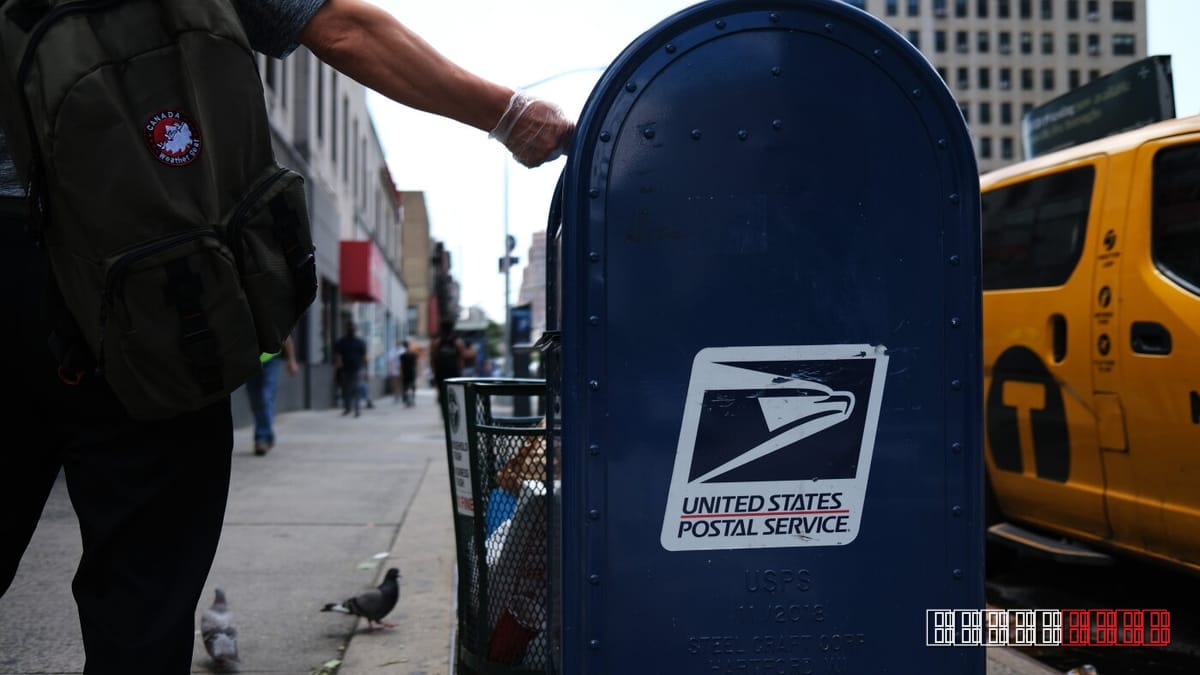
Voters preparing for the 2026 midterm elections are confronting a maze of uncertainty surrounding mail‑in voting, prompting some to explore flying to a polling station or arranging alternative voting methods. According to NPR, the legal dispute over the U.S. Postal Service’s plan to tighten delivery standards—an initiative linked to former President Donald Trump’s push for stricter mail handling—has left many unsure whether their mailed ballots will arrive on time.
The controversy stems from a federal lawsuit challenging the Postal Service’s “mail‑in voting by mail” policy, which proposes tighter deadlines for processing and delivering ballots. Election officials in several swing states have warned that delays could force voters to seek in‑person voting as a fallback, even if it means traveling long distances. Some voters have already booked flights to neighboring states where early voting sites remain open, while others are registering for same‑day registration drives or arranging to drop off ballots at designated secure locations.
Background: Mail‑in voting has been a cornerstone of U.S. elections since the 1990s, expanding dramatically during the COVID‑19 pandemic. The Postal Service, traditionally tasked with delivering millions of ballots each election cycle, has faced budget cuts and operational changes that critics say could slow processing times. The current legal challenge, filed by voting‑rights groups, argues that the proposed restrictions violate the Voting Rights Act by disproportionately affecting minority and rural voters who rely heavily on postal ballots. Historically, courts have intervened when postal delays threatened election integrity, ordering temporary measures such as extended ballot receipt windows. The outcome of this case could set a precedent for how mail‑in voting is administered in future contests.
Election administrators are urging voters not to wait until the last minute. Many states have extended ballot‑submission deadlines or opened additional drop boxes to mitigate potential postal delays. Voter education campaigns are emphasizing the importance of confirming ballot status online and preparing backup plans, such as identifying a nearby early‑voting site. Some local NGOs are offering free rides to polling places for those who cannot travel on their own.
The uncertainty has also sparked political debate. Advocates for stricter mail handling argue it ensures security and reduces fraud, while opponents contend it disenfranchises voters, especially those with limited mobility or access to transportation. As the courts continue to deliberate, the pressure mounts on voters to make contingency decisions now rather than risk being sidelined on Election Day.
For those still undecided, the recommendation from election officials is clear: verify the deadline for your state, track your ballot’s journey, and have a backup plan ready. Whether that means a short drive to a drop box or a cross‑state flight, the goal remains the same—ensuring every eligible vote is counted despite the lingering legal fog.
This report is based on original reporting by NPR. Read the original source →