Modi Pushes for UPI to Join Global Payment Networks
India’s prime minister urges integration of the domestic UPI system with overseas payment platforms to boost cross‑border transactions.
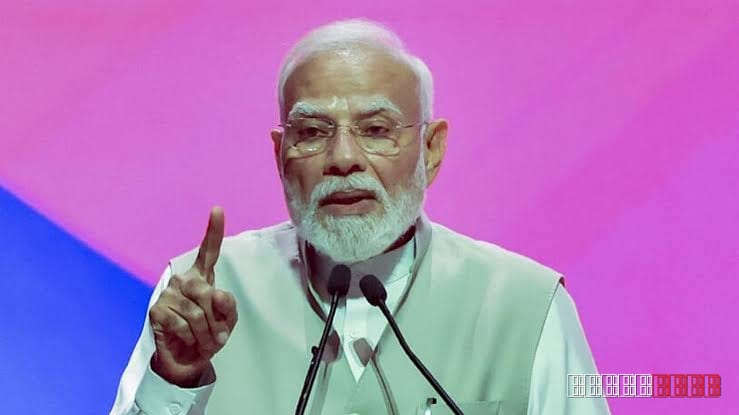
Prime Minister Narendra Modi has signaled a strategic shift toward linking India’s home‑grown Unified Payments Interface (UPI) with international payment systems, officials said. The move aims to give Indian consumers and businesses a seamless way to send and receive money across borders, leveraging the speed and low‑cost model that has made UPI a staple of domestic transactions.
According to the Times of India, Modi’s call comes as UPI already handles billions of transactions daily and has been adopted by more than 200 million users. The government is now exploring partnerships with payment networks in the United Arab Emirates, Saudi Arabia and other key markets, with the goal of allowing Indian wallets to be used abroad without the need for currency conversion through traditional banks.
The push reflects a broader ambition to position India as a digital‑payments hub. Since its launch in 2016, UPI has disrupted the country’s cash‑centric economy, driving financial inclusion and supporting the growth of fintech startups. Its open‑architecture model enables banks, fintech firms and merchants to interoperate on a single platform, a factor that has attracted interest from regulators worldwide. By extending that framework internationally, India hopes to capture a share of the $30‑plus billion cross‑border payments market, which is currently dominated by legacy card schemes.
Industry analysts note that a global UPI could reduce transaction fees for Indian travelers and overseas Indian merchants, while also offering a low‑cost alternative to existing card‑based solutions. However, they caution that interoperability will require alignment on security standards, anti‑money‑laundering protocols and settlement mechanisms with foreign regulators.
If successful, the initiative could reshape how Indian expatriates remit money home, a flow that amounted to roughly $90 billion in the last fiscal year. It would also give Indian e‑commerce platforms a competitive edge in markets where they already ship goods, by simplifying checkout for foreign buyers using familiar UPI interfaces.
The government has not disclosed a timeline, but sources indicate pilot projects could begin within the next twelve months, pending bilateral agreements. Modi’s emphasis on a “desi connect with global pay” underscores the administration’s confidence that India’s digital infrastructure can compete on the world stage.
This report is based on original reporting by Times of India. Read the original source →