Monsoon floods in Nepal spotlight Himalayan water challenges and China’s role
Heavy rains have devastated Nepal, prompting aid efforts and raising strategic questions about China’s influence in the Himalayas.
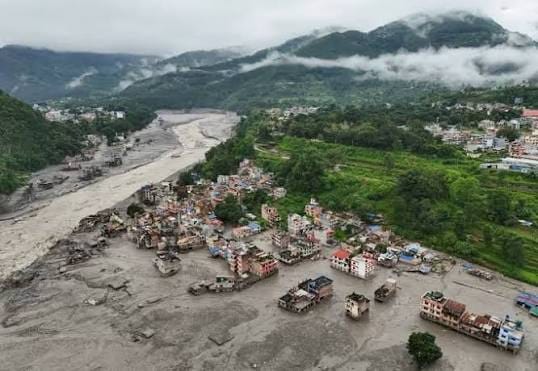
Heavy monsoon rains swept across Nepal this week, turning rivers into torrents and triggering landslides that swept away homes, roads and bridges. Emergency services reported dozens of fatalities and hundreds of people displaced, while agricultural fields and market centres in the eastern districts were inundated. The disaster prompted a nationwide appeal for relief supplies, with the Nepalese government coordinating with neighbouring countries and international agencies to deliver food, medical aid and temporary shelter.
The scale of the flooding has also drawn attention to the broader vulnerability of the Himalayan region. Scientists warn that accelerated glacier melt and erratic rainfall patterns, linked to climate change, are increasing the frequency of such extreme events. In Nepal, where many communities live in narrow valleys that depend on river systems for irrigation and transport, the risk of future floods is a growing concern for policymakers and local residents alike.
Beyond the immediate humanitarian crisis, the floods have revived debate over China’s expanding footprint in the Himalayas. Over the past decade, Beijing has invested in a series of hydropower projects and infrastructure upgrades along the trans‑border river basins that originate in the mountains. While these projects promise electricity and development, they also raise questions about water allocation, ecological impact and downstream security for Nepal and other riparian states.
Chinese officials have expressed sympathy for the victims and offered assistance, sending relief teams and pledging material support. However, observers note that the disaster underscores the need for clearer trans‑national water‑management frameworks. Regional experts argue that coordinated monitoring, data sharing and joint disaster‑response mechanisms could mitigate the human toll of future floods while addressing geopolitical sensitivities.
As Nepal begins the arduous task of rebuilding, the flood’s aftermath may become a catalyst for deeper dialogue on climate resilience and shared water resources in the Himalayas. The incident highlights how natural disasters can intersect with strategic interests, prompting both humanitarian and diplomatic responses in a region where geography and politics are tightly intertwined.