Mysuru Dasara food fair vendors contest new lottery stall allocation
Vendors at the city’s Dasara food mela have protested a lottery‑based stall allotment and are pressing for parking permits, The Hindu reports.
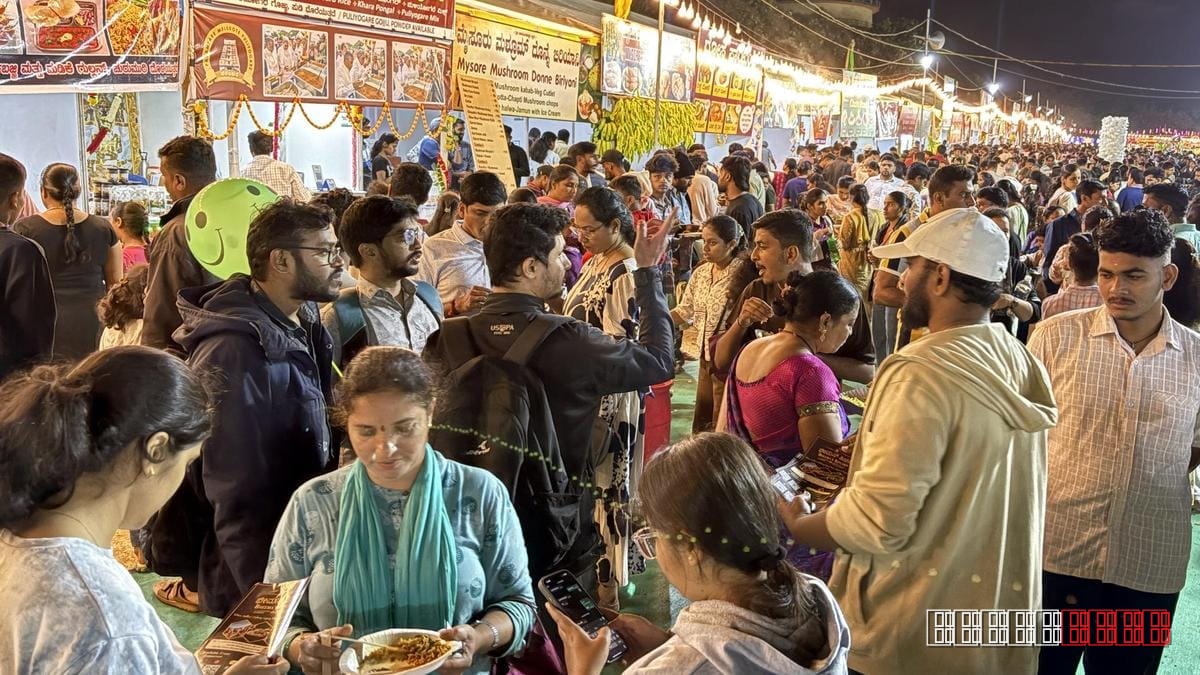
The trade body representing food‑stall operators at Mysuru’s annual Dasara mela has lodged an objection to the municipal decision to allocate stalls through a lottery system. According to The Hindu, the association argues that the random draw undermines the ability of long‑standing vendors to plan their inventory and manage costs, especially when many rely on seasonal earnings from the festival crowd.
The grievance was formally submitted after the city’s civic authorities announced that all 400+ food stalls would be assigned by lottery, a method previously used only for a handful of premium locations. In its petition, the vendors’ group also asked for a set of parking passes that would allow them to receive deliveries and unload equipment without obstructing traffic around the venue. The Hindu noted that the association believes the lack of dedicated parking has been a recurring bottleneck during past Dasara celebrations.
Municipal officials have responded that the lottery was introduced to curb allegations of favoritism and to ensure a more equitable distribution of prime spots. They indicated that a transparent draw, overseen by an independent auditor, would replace the earlier first‑come‑first‑served practice that often left newer entrants at a disadvantage. The department also said it is reviewing the request for parking permits and will issue guidelines before the fair opens on October 1.
Mysuru’s Dasara festivities, a ten‑day celebration that draws millions of pilgrims and tourists, traditionally culminates in a sprawling food mela that showcases regional delicacies such as bisi bele bhath, maddur vada and a variety of sweets. The fair not only boosts the city’s economy but also provides a crucial seasonal income for small‑scale food entrepreneurs, many of whom operate single‑person stalls. Historically, stall allocation has been managed through a mix of legacy rights and ad‑hoc negotiations, a system that critics say favours established players and can marginalise newer vendors.
If the lottery system proceeds without adjustments, vendors fear a dip in sales due to less predictable foot traffic and logistical hurdles. Conversely, a transparent allocation could level the playing field, potentially revitalising competition and offering visitors a broader culinary selection. The outcome will likely influence how other Indian cities handle stall assignments for large cultural events in the future.
This report is based on original reporting by The Hindu. Read the original source →