Nepal Calls on Major Emitters to Fund Disaster Relief, Citing Climate Injustice
The Nepalese foreign minister urges the world’s top polluters to compensate the country after a devastating flood, framing it as a climate‑justice issue.
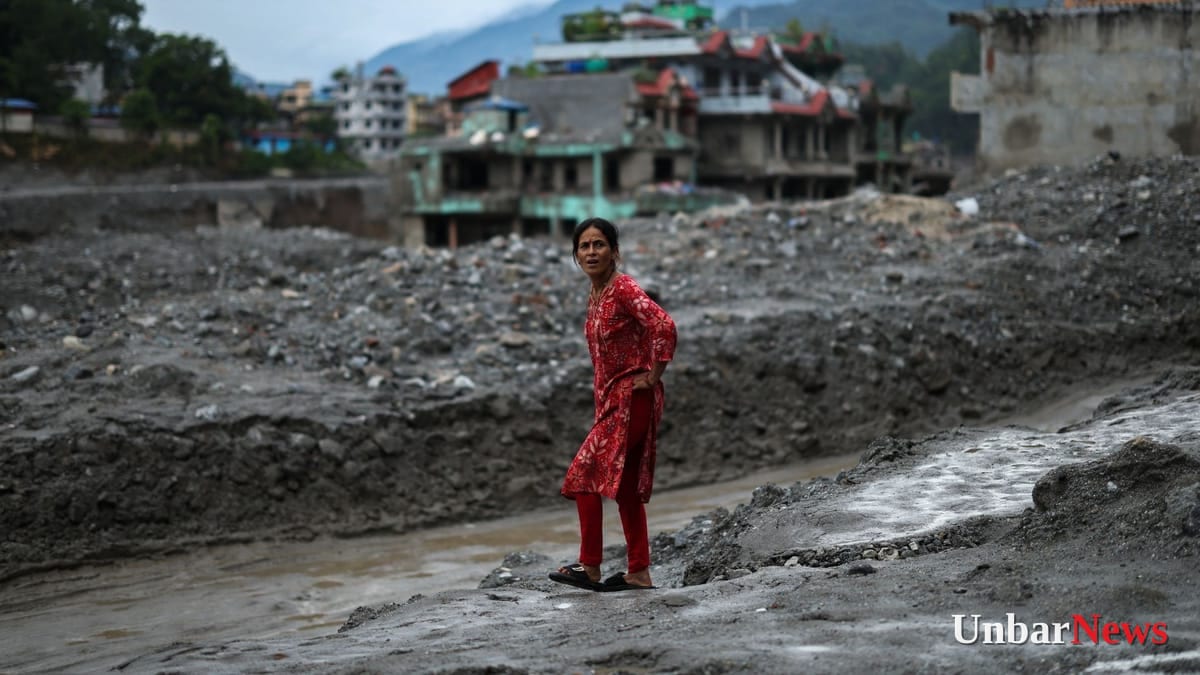
The foreign ministry of Nepal has formally asked the United Nations and the three largest carbon‑emitting countries to provide financial assistance for the damage caused by this month’s catastrophic flood, Al Jazeera reported. The demand, presented by Foreign Minister Pradeep Khadka, frames the disaster as a direct consequence of global greenhouse‑gas emissions and seeks reparations rather than traditional aid.
According to Al Jazeera, the flood, which swept through the Kathmandu valley and surrounding districts, left more than 1,200 people homeless and caused infrastructure losses estimated at $500 million. Khadka’s statement emphasized that Nepal, which contributes less than 0.1 % of global emissions, bears a disproportionate share of climate‑related risks and therefore deserves compensation from nations responsible for the bulk of the problem.
The request aligns with a growing movement among vulnerable nations to shift the climate‑finance conversation from voluntary contributions to legally binding liability. In 2021, the United Nations Climate Change Conference (COP26) introduced the “Loss and Damage” fund, yet many developing countries argue that the pool remains under‑funded and lacks clear mechanisms for disbursement. Nepal’s latest appeal could pressure the fund’s governing board to prioritize rapid payouts for emergency response.
Historically, Nepal has faced a series of climate‑induced calamities, from glacial lake outburst floods to landslides triggered by erratic monsoons. The Himalayan nation’s topography amplifies these threats, making it a frontline case study for climate‑justice advocates. International experts note that the country’s per‑capita emissions are among the lowest worldwide, yet its exposure to extreme weather events is among the highest, underscoring the inequity highlighted by Khadka.
If the appeal gains traction, it may set a precedent for other low‑emission states seeking reparations. Legal scholars suggest that successful claims could compel the United States, China, and the European Union to allocate funds beyond the existing climate‑finance architecture, potentially reshaping diplomatic negotiations ahead of the next UN climate summit.
The foreign ministry has indicated that it will pursue diplomatic channels, including a formal submission to the UN General Assembly later this year, while also engaging with regional bodies such as SAARC to build a coalition of support. The outcome remains uncertain, but the move signals Nepal’s intent to position itself at the forefront of the global climate‑justice debate.
This report is based on original reporting by Al Jazeera. Read the original source →