Nepal vows zero tolerance for online harassment of flood victims
Prime Minister pushes new measures to punish social‑media posts that mock those displaced by recent floods
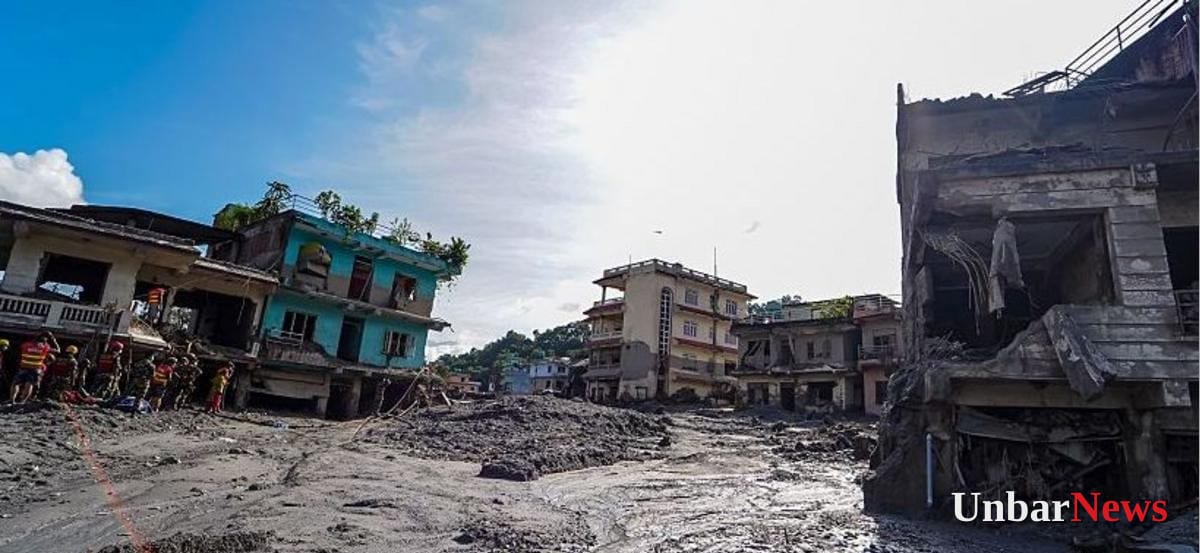
The Nepalese government announced a strict new stance against online abuse targeting people affected by this year’s devastating monsoon floods, Prime Minister Pushpa Kamal Dahal said the authorities will "show no leniency" to anyone who "belittle" survivors. According to BBC News, the cabinet plans to introduce legal provisions that could lead to fines and short‑term imprisonment for individuals who spread hateful or mocking content about flood‑displaced families on platforms such as Facebook, Twitter and TikTok.
The floods, which began in late July, have been among the worst in Nepal’s recent history, leaving more than 1,000 dead, thousands injured and tens of thousands homeless across the central and eastern regions. Relief agencies have been working around the clock to provide shelter, food and medical aid, while the government has struggled to coordinate reconstruction of damaged roads and bridges. In the wake of the disaster, a wave of online criticism and ridicule emerged, prompting officials to act.
The proposed crackdown will rely on existing cyber‑crime legislation, but officials intend to tighten definitions of "harassment" and expand the scope of punishable offenses. The Ministry of Home Affairs is set to monitor social‑media activity using a dedicated task force, and will cooperate with platform providers to identify offending accounts. Critics warn that vague language could risk curbing legitimate criticism, yet the prime minister emphasized that the move is aimed solely at protecting vulnerable flood survivors from further trauma.
Historically, Nepal has faced challenges in regulating digital speech. The 2018 Cybersecurity Act introduced penalties for hate speech and misinformation, but enforcement has been uneven. The current initiative reflects a broader regional trend where governments are tightening controls over online discourse following natural disasters, as seen in Bangladesh’s recent efforts after cyclones and India’s actions after severe floods.
If passed, the new rules could serve as a deterrent against online bullying, but they also raise questions about freedom of expression in a country where internet penetration is still expanding. Human‑rights groups have urged the government to ensure any measures are proportionate and transparent, stressing that victims need both physical aid and a respectful public narrative.
The prime minister’s declaration signals a decisive political response, aiming to balance the need for compassion with the challenges of policing a rapidly growing digital landscape.
This report is based on original reporting by BBC News. Read the original source →