Netanyahu Leverages Biblical Narrative to Justify Military Action
Prime Minister Benjamin Netanyahu cites ancient scriptures to frame pre‑emptive strikes as a religious duty, prompting legal and ethical concerns.
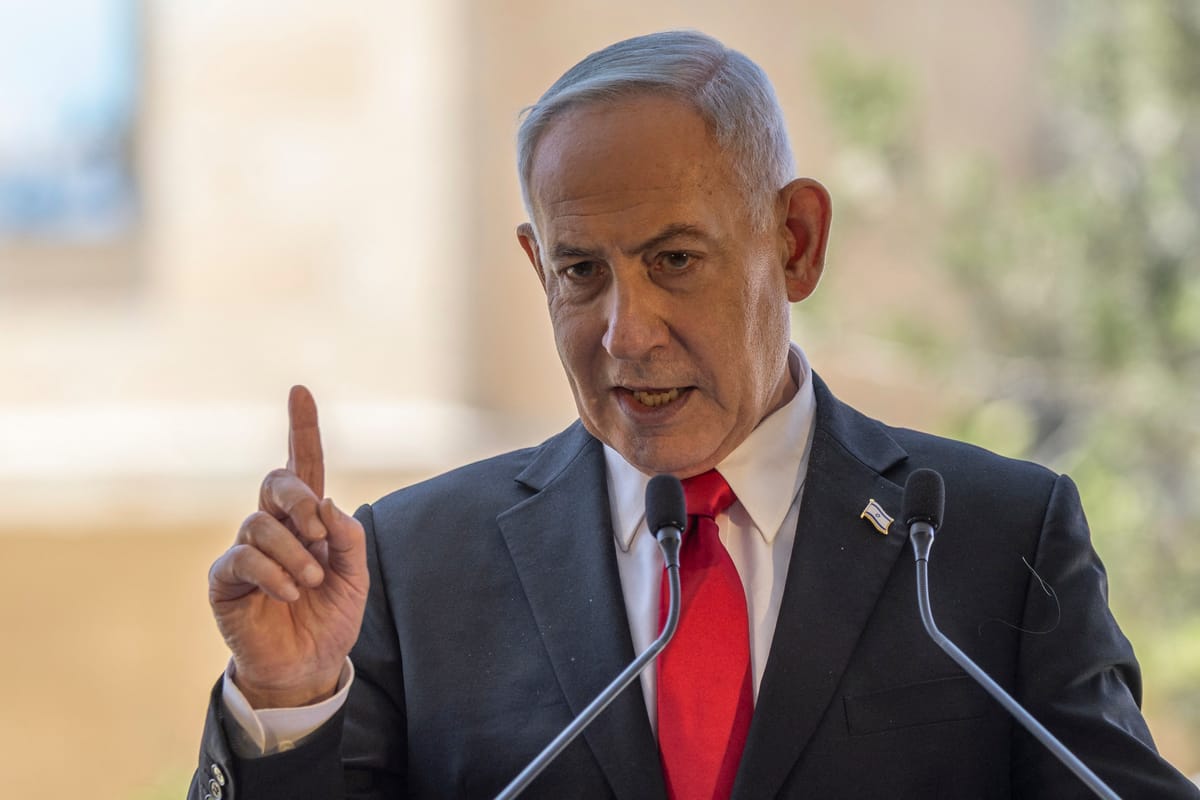
Benjamin Netanyahu has increasingly framed Israel’s recent military campaigns in religious terms, drawing on passages from the Hebrew Bible to argue that pre‑emptive action is not only permissible but mandated. In several public addresses, the prime minister referenced stories of ancient battles and divine instruction, suggesting that contemporary threats echo historic enemies of the Jewish people. By invoking these scriptural precedents, Netanyahu seeks to present Israel’s operations as a continuation of a sacred tradition rather than a purely political decision.
Analysts note that this rhetorical shift serves multiple purposes. First, it aims to rally domestic support by appealing to religious sentiment among a sizable portion of the electorate. Second, it attempts to sidestep international legal constraints by portraying the conflict as a moral imperative rooted in divine law, thereby challenging the applicability of conventions that govern the use of force. Legal scholars warn that such framing could be used to justify actions that would otherwise be deemed violations of the laws of armed conflict, including proportionality and distinction requirements.
The strategy has drawn sharp criticism from both within Israel and abroad. Opposition politicians argue that intertwining state policy with sacred texts erodes the secular foundations of the nation and risks alienating minority communities. International human‑rights organizations have warned that weaponising religion in wartime rhetoric may exacerbate civilian suffering and hinder diplomatic efforts aimed at de‑escalation. They stress that invoking ancient texts does not exempt any state from its obligations under the Geneva Conventions.
While Netanyahu’s approach resonates with certain religious constituencies, it also raises questions about the long‑term implications for Israel’s democratic character and its standing in the global community. Observers suggest that the reliance on biblical justification could set a precedent for other leaders to invoke faith as a shield against accountability, potentially reshaping the discourse around modern warfare.
The unfolding debate underscores a broader tension between faith‑based narratives and the rule‑of‑law framework that governs international relations. As the conflict continues, the extent to which religious rhetoric influences policy decisions will remain a focal point for policymakers, scholars, and civil‑society advocates alike.