Niger’s army revolt underscores expanding Russian foothold in the Sahel
A failed power grab by senior officers has laid bare internal discontent and deepening ties with Moscow in Niger.
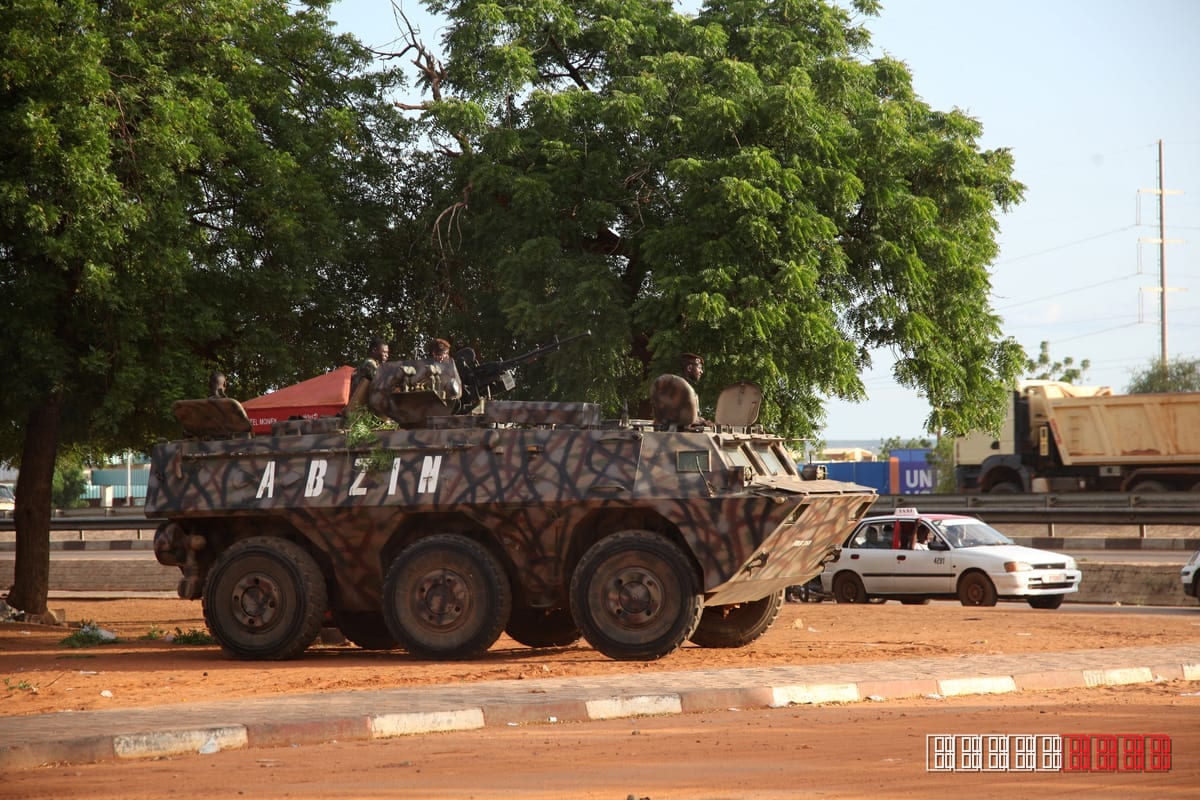
A faction of Niger’s armed forces attempted to seize control of the capital last week, but the move was quickly thwarted by loyalist troops, according to Al Jazeera. The brief mutiny, led by officers stationed in the northern region, was framed as a protest against inadequate pay, delayed salaries and a perceived neglect of frontline soldiers.
The incident forced President Mohamed Bazoum’s administration to confront a growing unease within the ranks, while also exposing the extent to which Niger has turned to Russian support for security assistance. Al Jazeera noted that the mutineers were reportedly in contact with Russian‑linked advisers and that the country has increasingly relied on Moscow for weapons, training and intelligence since France began scaling back its presence in the Sahel.
Regional partners, including Mali, Burkina Faso and Chad, have watched the episode closely. Their own security arrangements have shifted toward Russian contractors, a trend that analysts say reflects broader frustration with Western aid that many see as inconsistent. The mutiny therefore tested not only Niger’s internal cohesion but also the durability of its alliances with neighboring states that share similar security concerns.
Background: Russia’s engagement in West Africa accelerated after 2021, when the Wagner Group secured contracts to protect mining interests in Mali and later expanded operations into Niger, Chad and Burkina Faso. The withdrawal of French troops from the region, coupled with the rise of jihadist groups, created a vacuum that Moscow was quick to fill with military advisers, equipment shipments and private‑military personnel. This partnership has been controversial; while it offers rapid logistical support, it also raises questions about sovereignty and human‑rights compliance. The Niger mutiny illustrates how reliance on Russian assistance can become a flashpoint when domestic grievances intersect with external influence.
The government has pledged to investigate the mutiny’s leaders and to address the soldiers’ complaints, but observers warn that without substantive reforms, similar unrest could recur. International donors are now weighing whether to deepen engagement with Niger or to seek alternative partners to counter the spread of Russian influence across the Sahel.
Al Jazeera reported that the episode is likely to prompt a reassessment of security strategies among Sahelian nations, many of which are balancing the need for immediate military support against the long‑term implications of aligning with Moscow.
This report is based on original reporting by Al Jazeera. Read the original source →