Nigerian police open probe after 37 detainees die in mining crackdown
Authorities cite a disease outbreak, while a survivor claims suffocation, prompting an investigation into the deaths of 37 illegal mining suspects held in custody.
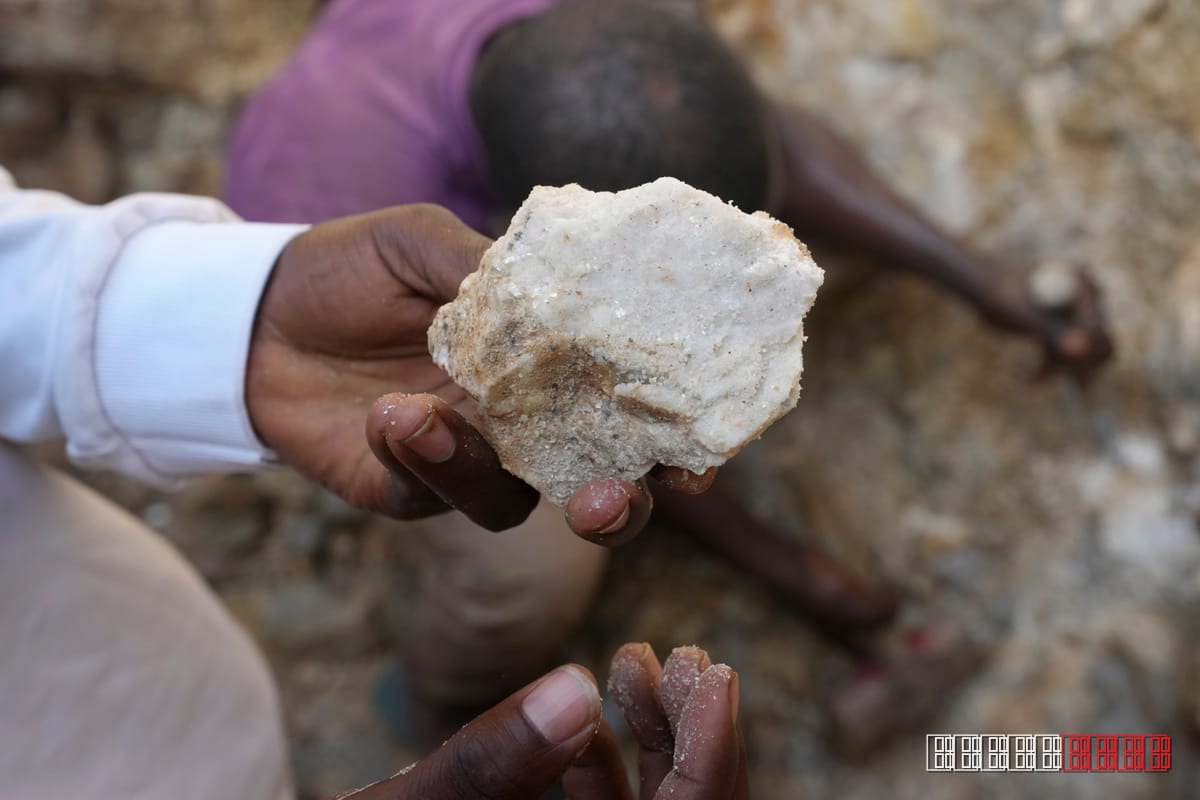
Al Jazeera reported that Nigerian police have launched an investigation into the deaths of 37 people arrested on suspicion of illegal mining. The men, who were being held in a police detention centre, died under circumstances that officials attribute to an outbreak of disease within the facility. However, a surviving detainee told investigators that the victims appeared to have suffocated, raising questions about the conditions of confinement.
The police spokesperson said a medical team had examined the bodies and found signs consistent with a contagious illness that had been spreading among detainees. The spokesperson added that the authorities are cooperating with health officials to determine the exact cause of death and to prevent further spread. Meanwhile, the survivor’s testimony has prompted calls for a thorough forensic review and an independent inquiry.
Illegal mining, often referred to as "galamsey," has been a persistent problem in several Nigerian states, especially in the north where mineral deposits attract informal operators. The activity is linked to environmental degradation, loss of revenue for the state, and frequent clashes with law‑enforcement agencies. In recent years, the government has intensified crackdowns, resulting in mass arrests and heightened scrutiny of detention facilities where suspects are held.
Detention conditions in Nigeria have drawn criticism from human‑rights groups, who argue that overcrowding, inadequate ventilation, and limited access to medical care create a fertile ground for disease and abuse. Past incidents, such as the 2022 outbreak of meningitis in a Lagos prison, have highlighted systemic health risks in custodial settings. The current case underscores the broader challenges facing Nigeria’s criminal justice system as it balances enforcement against illegal mining with the duty to protect detainees’ rights.
The investigation’s outcome could have implications for policy reforms, including stricter health protocols in police lock‑ups and possible oversight mechanisms. Families of the deceased have demanded answers, and local NGOs are urging the government to release detailed findings to the public. As the probe proceeds, the incident remains a flashpoint for debates over resource exploitation, law‑enforcement practices, and the state’s responsibility to safeguard those in its custody.
This report is based on original reporting by Al Jazeera. Read the original source →