Nitish Kumar stepped down on his own accord, BJP says, according to Samrat
Bihar's chief minister resigned voluntarily and the BJP says it never asked him to quit, party spokesperson Samrat told reporters.
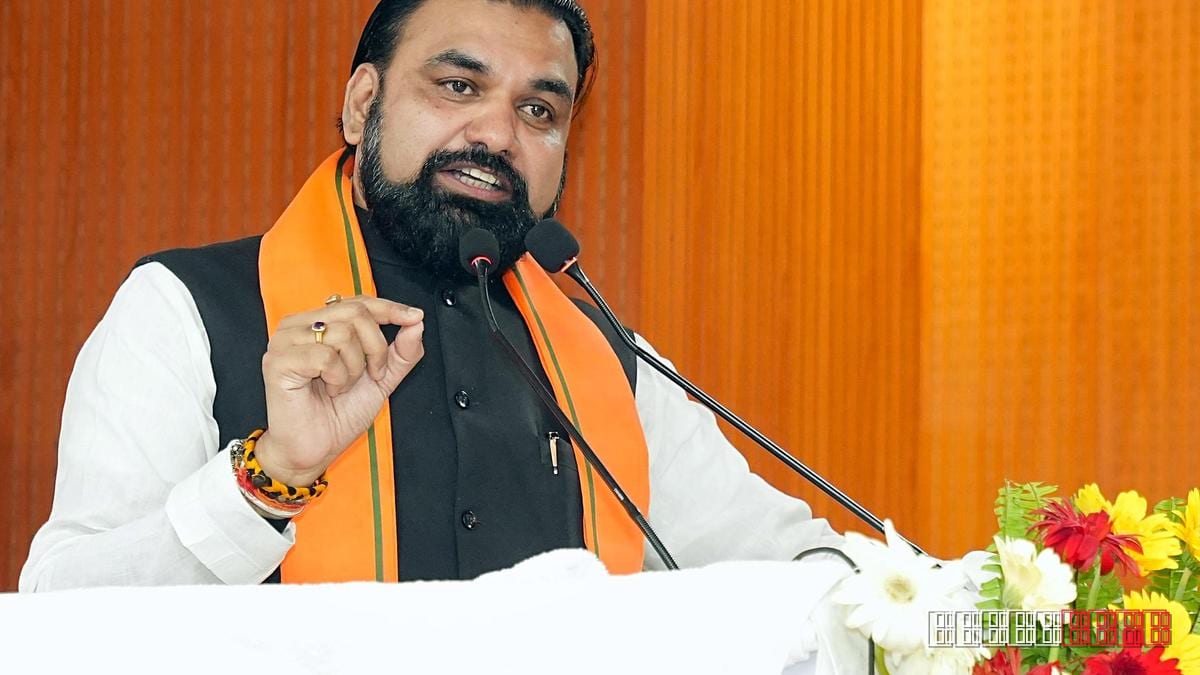
Bihar chief minister Nitish Kumar announced his resignation on Tuesday, saying he was leaving the post of chief minister of his own volition. The move came as a surprise to many observers, but a senior BJP representative, identified only as Samrat, told reporters that the party had not pressured Kumar to step aside. "Nitish gave up the CM post on his own; the BJP did not ask him to do so," Samrat said, as reported by The Hindu.
The announcement triggered a flurry of reactions across the political spectrum. While opposition parties questioned the stability of the coalition government, the BJP quickly distanced itself from any suggestion of internal coercion. Samrat emphasized that the decision was taken after consultations within the Janata Dal (United) and was not the result of any external demand from the alliance partner.
Nitish Kumar has a history of resigning and returning to the chief minister’s office. He first stepped down in 2015 after a fallout with the BJP over the state’s alcohol ban, only to re‑align with the party later that year. In 2022, he again resigned following a loss of confidence in the coalition, before being reinstated after a brief political reshuffle. These past episodes have made his latest resignation a focal point for analysts tracking the durability of the BJP‑JD(U) partnership.
The current coalition, formed after the 2020 state elections, gave the BJP 74 of the 243 assembly seats, while the JD(U) secured 110. The alliance has faced periodic strain over policy differences, especially on issues like law and order and development projects. Nitish’s departure could prompt a realignment of power in the state, potentially opening the door for a new coalition or a caretaker government until fresh elections are called.
Political scientists note that Bihar’s political landscape is heavily influenced by caste dynamics and regional loyalties. Nitish Kumar, a Kurmi OBC leader, has long positioned himself as a development‑focused administrator, while the BJP draws support from upper‑caste and Hindu nationalist voters. Any shift in leadership may affect the balance of these constituencies, influencing not just state politics but also the broader national narrative ahead of the 2024 general elections.
For now, the Governor of Bihar has accepted Kumar’s resignation and is expected to invite the leader of the largest party in the coalition to form the next government. Whether the BJP will step forward, or JD(U) will propose a new chief minister, remains to be seen.
The Hindu reported the statements from Samrat and the circumstances surrounding the resignation, highlighting the BJP’s effort to clarify its non‑involvement in the decision.
This report is based on original reporting by The Hindu. Read the original source →