Nor'easter Deluge Triggers Massive Outages Across US Northeast
A powerful winter storm has flooded coastal towns and knocked out power for over 100,000 people in the northeastern United States, officials report.
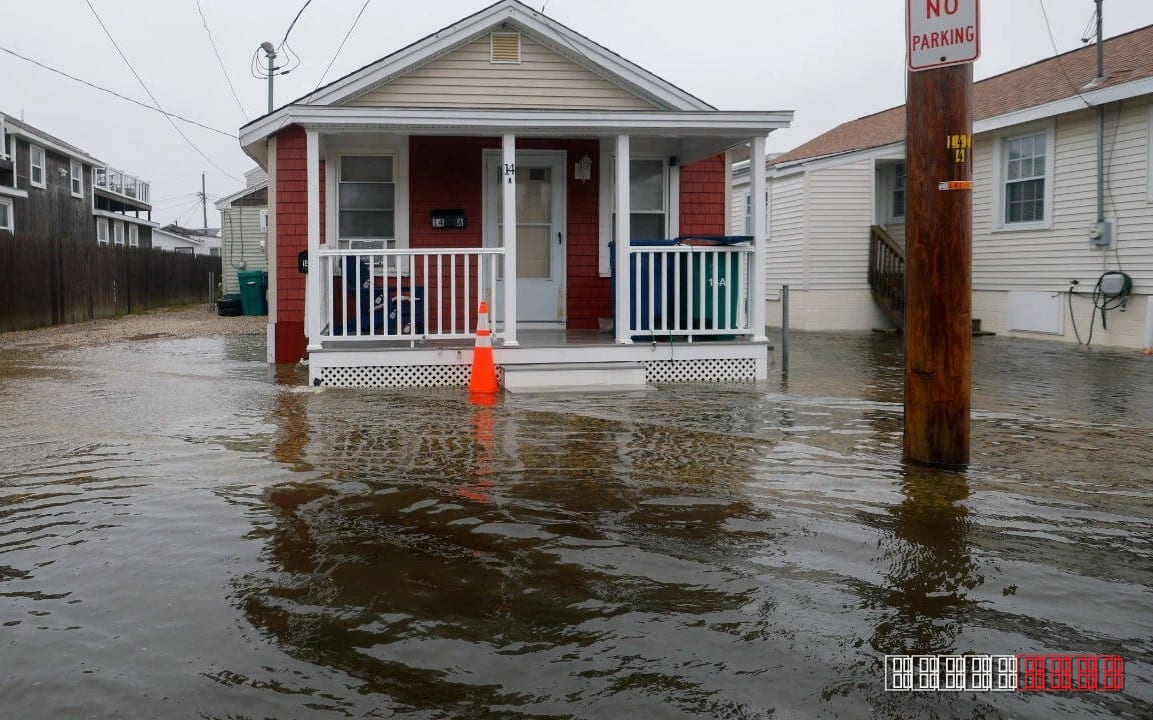
A fierce nor'easter swept through the US Northeast this week, unleashing a combination of heavy rain, high tides and strong winds that inundated streets and homes along the Atlantic coast. According to Times of India, the storm produced tidal surges that breached sea walls in several New York and New Jersey communities, while rain gauges recorded unprecedented totals in parts of Connecticut and Massachusetts.
The storm proved deadly when a falling tree struck a New York City Housing Authority employee, marking the sole confirmed fatality linked to the system. In addition to the tragic loss, more than 100,000 residents were left without electricity as downed lines and damaged transformers knocked out service across a broad swath of the region. Utility crews from multiple states have been deployed around the clock to restore power, but the sheer scale of the damage means some neighborhoods could remain dark for several days.
Times of India highlighted that several locations saw rainfall amounts that shattered local records for a single 24‑hour period. Coastal tide gauges in Long Island and the New Jersey shoreline reported water levels that rose several feet above the normal high tide line, submerging low‑lying streets and forcing evacuations in vulnerable districts. The combination of rain‑induced runoff and storm‑driven surge created a perfect storm of flooding that overwhelmed drainage systems already strained by earlier winter storms.
Nor'easters are a seasonal phenomenon that typically develop when cold Arctic air meets warm, moist air over the Atlantic Ocean. Their intensity can be amplified by climate change, which is lengthening the period of warm ocean water that fuels these systems. Historically, the Northeast has experienced several major nor'easters, but the recent event ranks among the most damaging in recent memory, underscoring the growing risk of coastal communities to extreme weather.
State emergency managers have activated disaster response plans, deploying the National Guard to assist with sandbag distribution and road clearance. Power companies are prioritising restoration for hospitals, nursing homes and other critical facilities, while residents are urged to conserve battery power and stay tuned to local alerts. The storm’s aftermath is likely to prompt renewed discussions on infrastructure resilience and the need for upgraded flood defenses along the densely populated shoreline.
As recovery efforts continue, officials stress that the situation remains fluid, with lingering floodwaters and cold temperatures posing additional hazards. Homeowners are advised to document damage for insurance claims and to watch for potential secondary impacts such as mold growth and weakened structural components.
This report is based on original reporting by Times of India. Read the original source →