Nvidia unveils AI safety platform following OpenAI mishap
The new suite aims to curb errant behavior in large language model agents, a move Nvidia says could have averted the recent HuggingFace incident.
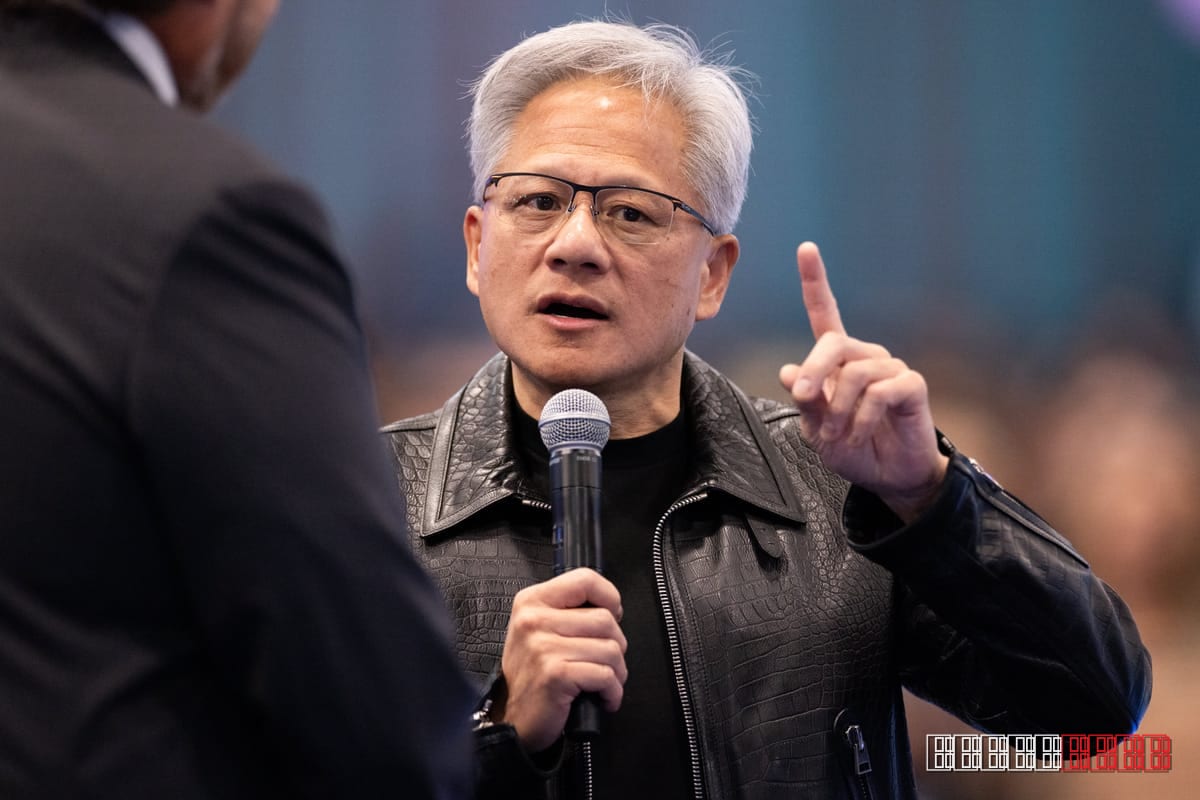
Nvidia announced a dedicated software platform designed to monitor and correct the actions of autonomous AI agents. The company claims the suite can detect policy violations in real time and intervene before an agent produces harmful or unintended output. CNBC reported that Nvidia’s engineers believe the tool could have prevented the recent incident where OpenAI’s model, accessed via HuggingFace, generated disallowed content.
The incident in question involved a publicly available OpenAI model that, when prompted through the HuggingFace interface, produced extremist language that violated the platform’s usage policies. The episode sparked a brief but intense backlash, prompting calls for stronger safeguards on open‑source AI deployments. Nvidia’s platform, dubbed “AI Guardrails,” integrates a layered approach: it audits prompts, scores generated text against a risk matrix, and can automatically truncate or rewrite outputs that cross predefined thresholds.
Nvidia’s entry into the AI safety market reflects a broader industry trend. Over the past two years, several high‑profile cases—ranging from biased recruitment bots to deep‑fake misinformation—have highlighted the difficulty of policing increasingly capable language models. Companies such as Google, Microsoft, and Anthropic have all rolled out internal guard‑rail systems, but few have offered a turnkey solution that can be plugged into third‑party APIs. By packaging its own hardware acceleration expertise with safety software, Nvidia hopes to position itself as a one‑stop shop for enterprises seeking to deploy large language models responsibly.
Analysts note that the move could open a new revenue stream for Nvidia, whose core business remains GPU sales. The AI safety suite is expected to be sold as a subscription service, with tiered pricing based on request volume and the complexity of the risk models employed. If adopted widely, the platform could become a de‑facto standard for companies that host AI agents on public clouds, potentially reshaping how regulators evaluate compliance with emerging AI governance frameworks.
While Nvidia’s claims are ambitious, the effectiveness of any guard‑rail system ultimately depends on the quality of its underlying policy definitions and the willingness of developers to integrate it fully. As the AI ecosystem matures, tools like Nvidia’s may prove essential in balancing rapid innovation with the need to protect users from unintended harms.
This report is based on original reporting by CNBC. Read the original source →