Omar Abdullah warns Pakistan could shape Kashmir's future if violence escalates
Former J&K chief minister says Pakistan may intervene on statehood as BJP protests a new assembly resolution recalling the 2000 autonomy demand.
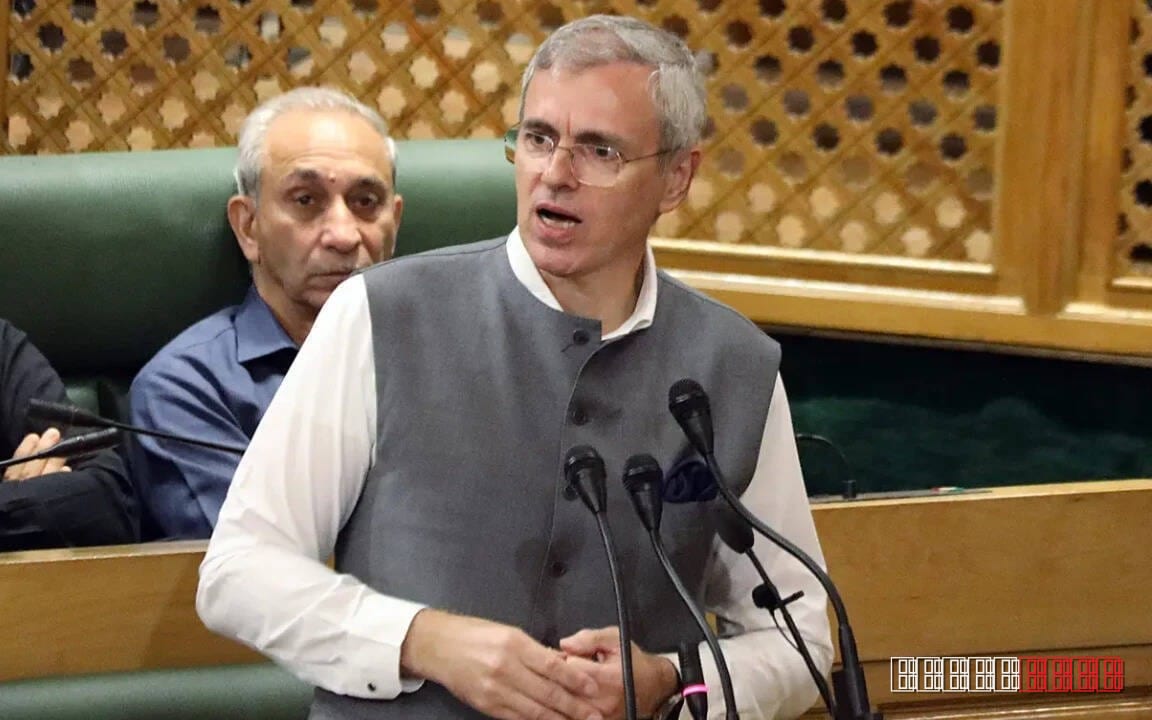
Former Jammu and Kashmir chief minister Omar Abdullah told a gathering of party workers on Thursday that if the region’s political future is decided by force, “Pakistan will decide” its status, Times of India reported. Abdullah’s remarks came after the state assembly passed a resolution that referenced the 2000 demand for greater autonomy, a move that triggered a sharp protest from the ruling Bharatiya Janata Party (BJP).
The resolution, introduced by opposition legislators, called for the restoration of the special status that was removed in August 2019 when the central government revoked Article 370 of the Indian Constitution. It also urged the Union government to engage in dialogue with the people of the valley. BJP leaders in the assembly shouted slogans and demanded the resolution be withdrawn, accusing the opposition of sowing discord.
Abdullah, who served as chief minister from 2009 to 2015, warned that the erosion of constitutional safeguards could push the issue onto the international stage. “If guns decide statehood, then Pakistan will decide,” he said, suggesting that external actors might intervene if internal mechanisms fail. The former chief minister’s comments reflect a broader concern among Kashmiri politicians that the 2019 constitutional changes have left a vacuum for separatist narratives to gain traction.
The debate over J&K’s status is rooted in a complex history. After the partition of British India in 1947, the princely state chose to accede to India under the condition of autonomy, which was later codified in Article 370. Over the decades, demands for greater self‑rule resurfaced, most notably in 2000 when then‑Chief Minister Farooq Abdullah sought a “grant of autonomy” to address regional grievances. The 2019 abrogation sparked widespread protests, a communications blackout, and a clampdown on political activity, reshaping the political landscape.
Analysts say the current standoff illustrates the delicate balance between Delhi’s security concerns and the aspirations of Kashmiri leaders. While the central government argues that the revocation of special status is essential for integration and development, opposition parties contend that it undermines democratic principles and fuels alienation. The BJP’s protest in the assembly underscores the party’s determination to defend the 2019 reforms, even as it faces criticism for limiting local representation.
The situation remains fluid, with both sides preparing for further political maneuvering. Any escalation could draw regional powers into the fray, making the call for dialogue more urgent than ever.
This report is based on original reporting by Times of India. Read the original source →