Pakistani minister's throat‑cut gesture to Afghan reporter sparks outrage
A video of a senior Pakistani official making a violent hand sign toward an Afghan journalist has gone viral, prompting criticism from media groups and diplomats.
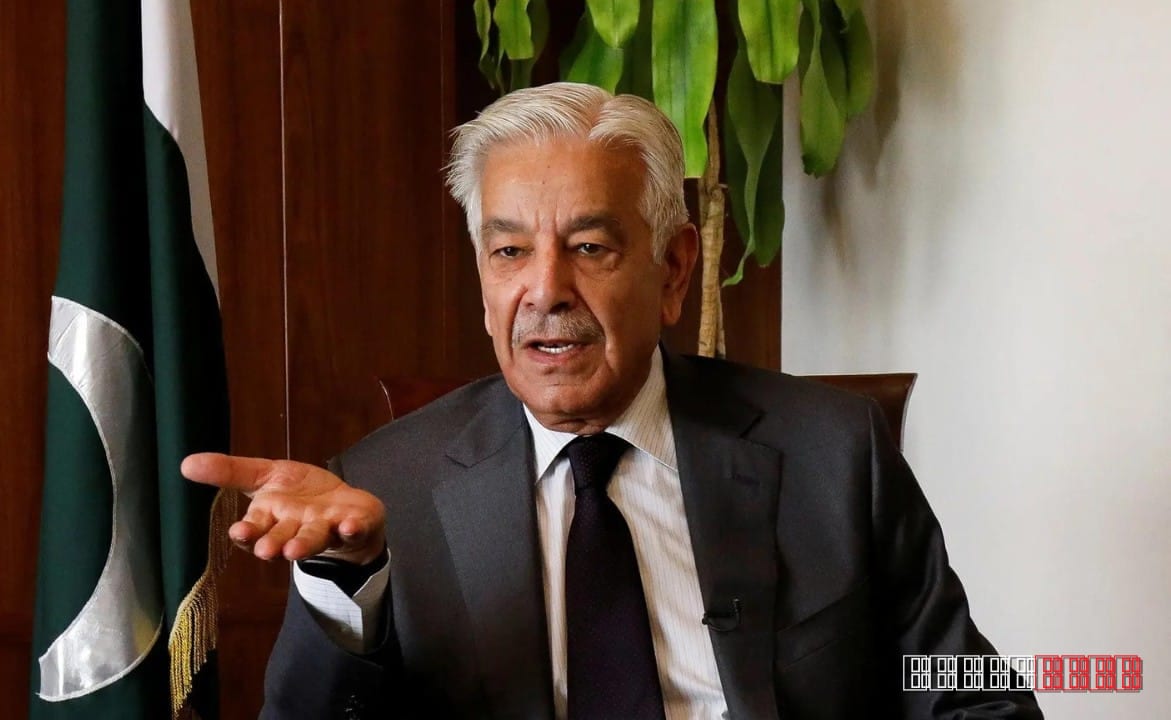
A clip that quickly circulated on social media shows a Pakistani minister making a throat‑cut motion with his hand while addressing an Afghan journalist. The Times of India reported that the gesture, captured during a press briefing, was perceived as a hostile threat and ignited a wave of condemnation online.
The video, posted on platforms such as Twitter and Facebook, prompted immediate backlash from press freedom advocates who argued that such a display undermines professional standards and could inflame already tense Pakistan‑Afghanistan relations. Several journalists’ unions issued statements calling the act "intolerable" and urging the Pakistani government to issue a formal apology.
Diplomatic sources said the incident arrived at a delicate moment, as Islamabad and Kabul navigate a series of disputes over border security, refugee flows, and the future of the Taliban‑led administration in Afghanistan. The two neighbours have been locked in a diplomatic tug‑of‑war since the Taliban seized power in 2021, with each side accusing the other of interference in internal affairs. In that context, a public gesture that appears to threaten a media representative can be read as a symbolic escalation.
Historically, gestures of violence in political settings have drawn sharp criticism in South Asia. In the early 2000s, Indian politicians faced similar fallout after making threatening hand signs toward opposition members, leading to calls for stricter decorum in parliamentary and press environments. Media watchdogs in the region argue that such behavior erodes public trust and can embolden extremist rhetoric.
The Pakistani ministry has not yet released an official comment on the video. Analysts suggest that, regardless of intent, the episode underscores the fragile state of press freedom in the subcontinent, where journalists often operate under pressure from both state actors and non‑state groups. Observers note that continued scrutiny of such incidents is essential to safeguard open discourse, especially as the two countries grapple with shared security challenges.
The episode serves as a reminder that visual symbols in politics carry weight beyond the moment they are made, influencing diplomatic ties and public perception alike. As the video continues to be shared, the international community watches to see whether Islamabad will address the concerns raised by the press and its foreign counterparts.
This report is based on original reporting by Times of India. Read the original source →