Palestinian author Raja Shehadeh safeguards decades of West Bank diaries in Scotland
Fearing loss amid ongoing conflict, the writer transferred his personal archive to a Scottish university for long‑term protection.
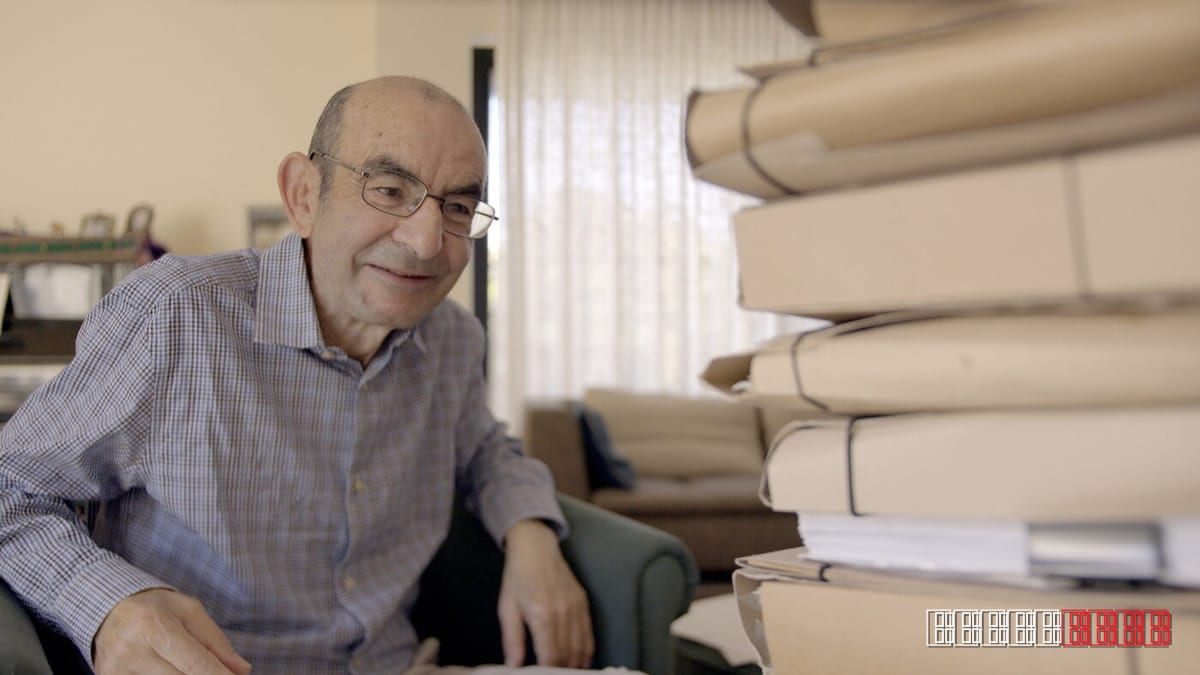
Raja Shehadeh, one of Palestine’s most prolific chroniclers, has spent his career recording the daily realities of Israel’s occupation of the West Bank. According to NPR, the author grew increasingly concerned that the growing pressure of the conflict could jeopardise the extensive collection of diaries, photographs, legal papers and unpublished manuscripts he has amassed since the first intifada. In a discreet operation, he arranged for the material to be shipped to a secure repository in Scotland, where it will be catalogued and stored under climate‑controlled conditions.
The transfer was not a public ceremony. Shehadeh and a small circle of trusted colleagues coordinated the move through private couriers, avoiding official customs scrutiny that could have led to seizure. The Scottish institution, which has a history of hosting Middle‑Eastern collections, agreed to keep the archive intact and accessible to scholars while shielding it from the political volatility that threatens cultural heritage in the region.
Shehadeh’s work, which includes the acclaimed memoir Palestinian Walks and the legal‑history series Strangers in the House, offers a rare, ground‑level perspective on how military checkpoints, settlement expansion and legal restrictions shape everyday life for Palestinians. By preserving his personal notes and research, he hopes future generations will have a primary source that captures both the human cost and the resilience of the occupied population.
The decision to relocate the archive reflects a broader pattern in conflict zones where activists and academics seek refuge for their collections abroad. During the Yugoslav wars, for instance, libraries in Sarajevo sent rare books to European partners, while Syrian civil‑war documentation has found homes in European universities. Such moves aim to prevent the erasure of collective memory, a risk that UNESCO and heritage NGOs have warned about repeatedly.
For scholars of Middle‑Eastern studies, the Shehadeh archive promises new material for research on legal resistance, urban planning under occupation, and the cultural life of West Bank communities. The Scottish host institution plans to digitise key items, eventually making them available through an open‑access portal, thereby balancing preservation with public scholarship.
While the physical relocation safeguards the documents, it also raises questions about the ownership and custodianship of cultural assets displaced by conflict. Nonetheless, Shehadeh’s proactive step ensures that a vital record of Palestinian experience will endure beyond the immediate turmoil.
This report is based on original reporting by NPR. Read the original source →