Pentagon staff face mandatory polygraph exams as Trump administration probes weapons stock leaks
The Trump administration has ordered polygraph tests for Pentagon personnel amid concerns that dwindling weapons inventories may be the result of internal leaks.
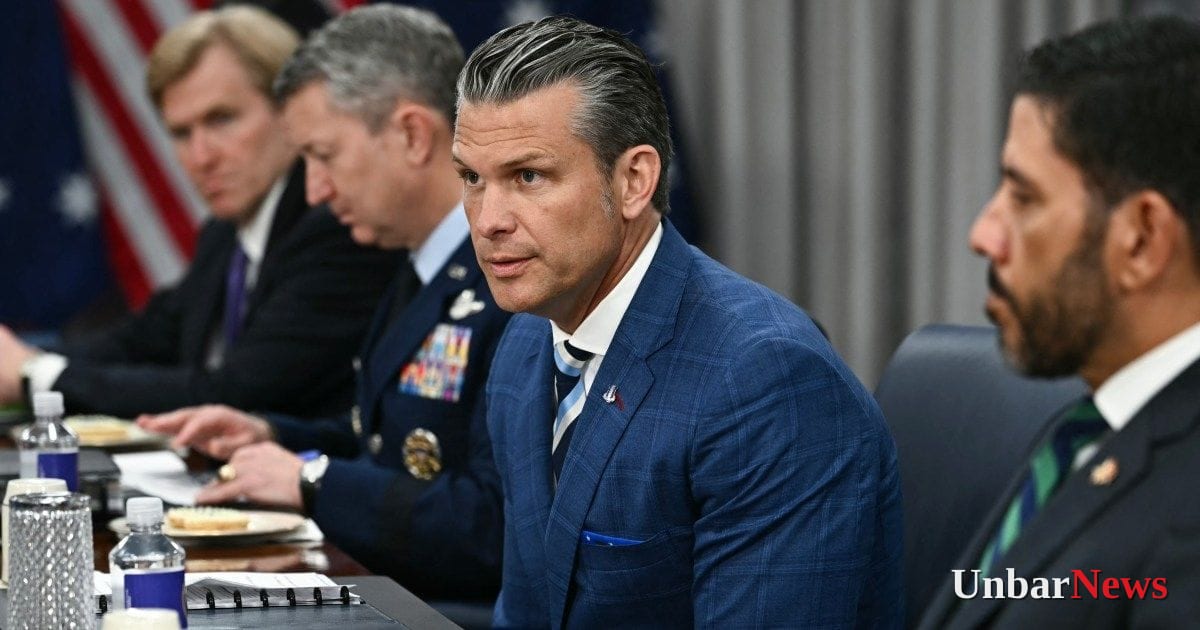
The White House has instructed employees at the Department of Defense to undergo polygraph examinations, a move aimed at identifying the source of recent reports suggesting a decline in U.S. weapons stockpiles. Al Jazeera reported that the directive comes after senior officials expressed alarm over possible unauthorized disclosures that could compromise national security.
According to the administration’s internal memo, the polygraph requirement applies to a broad range of staff, from logistics officers to intelligence analysts, and will be conducted by contracted specialists. The agency says participation is compulsory and that refusal could result in disciplinary action, including suspension or termination.
The decision arrives at a time when the Pentagon has been grappling with a series of inventory anomalies. Earlier this year, auditors flagged discrepancies in the accounting of ammunition and missile components, prompting congressional inquiries. While the Department of Defense has not confirmed any specific breaches, officials have warned that even the perception of a leak can erode confidence among allies and embolden adversaries.
Polygraph testing has a contentious history within U.S. government circles. It was widely used during the Cold War to screen employees for espionage risks, but its reliability has been questioned by scientific studies and civil‑rights groups. In 2015, the CIA halted routine polygraph screening after a review found the technique offered limited predictive value. Nonetheless, administrations have occasionally revived the practice in response to acute security concerns, such as after the 2013 Edward Snowden disclosures.
Experts say the current sweep reflects a broader trend of heightened internal security measures under the Trump administration, which has emphasized “zero tolerance” for leaks. Defense analysts caution that while polygraphs may deter some misconduct, they are unlikely to uncover sophisticated information breaches that rely on digital exfiltration. The outcome of the tests, and any subsequent actions, could set a precedent for how the U.S. government balances employee privacy with the imperative to protect sensitive defense data.
Stakeholders ranging from defense contractors to congressional oversight committees will be watching closely. If the polygraph program uncovers a leaker, it could lead to prosecutions and tighter information‑handling protocols. Conversely, failure to identify a source may prompt further investigations and possibly more intrusive security policies.
This report is based on original reporting by Al Jazeera. Read the original source →