Philadelphia unveils privately funded arena design for 76ers and Flyers
Renderings released show a Spectrum-inspired venue set to open before the 2030 WNBA season.
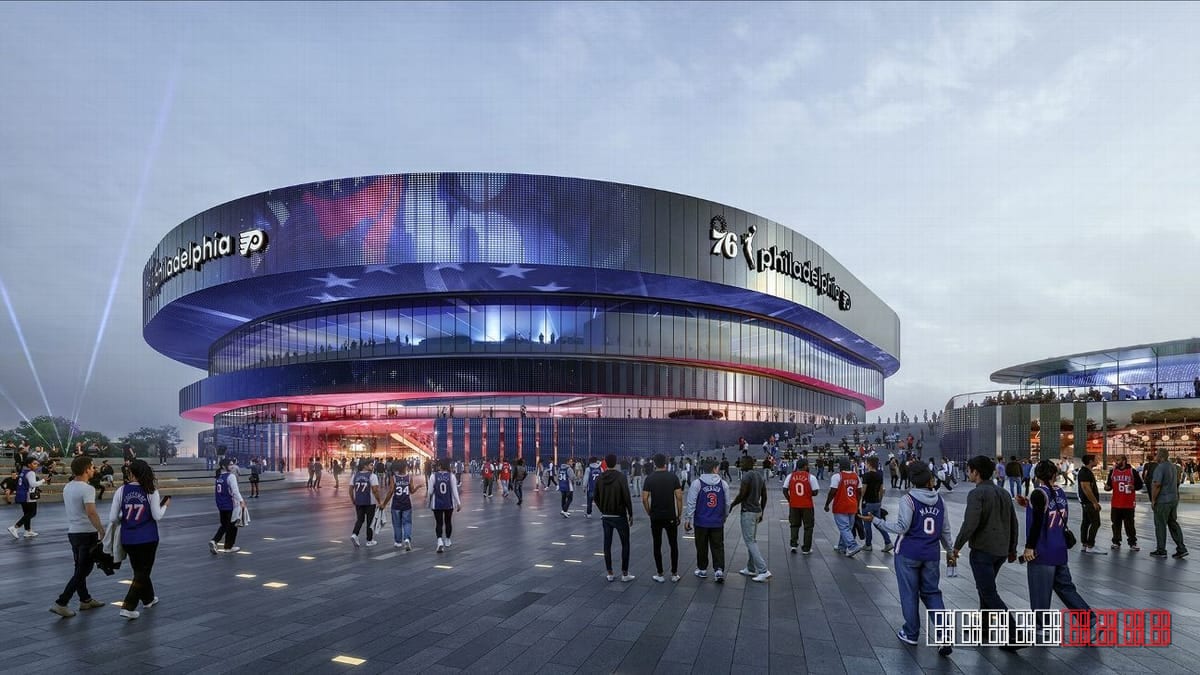
The Philadelphia 76ers and Flyers have released artist renderings of a new, fully privately financed arena slated for South Philadelphia, according to ESPN. The design, which echoes the iconic look of the former Spectrum, aims to be ready for the start of the 2030 WNBA season, giving both franchises a modern home before that deadline.
The proposed facility will accommodate roughly 20,000 spectators for basketball and up to 19,000 for hockey, with flexible seating to host concerts and other large‑scale events. Its exterior features a sleek glass façade punctuated by a nod to the classic Spectrum’s brick arches, while interior plans include a state‑of‑the‑art fan experience zone, premium lounges, and a dedicated museum space celebrating Philadelphia’s rich sports heritage.
Financing for the project will come entirely from private investors, a model that sidesteps direct taxpayer burden. ESPN reported that the ownership groups of both teams have pledged the capital, positioning the arena as a rare example of a large‑scale sports venue built without public money. The private funding approach could set a precedent for future projects in cities looking to avoid the political fallout of public‑funded stadiums.
Philadelphia’s relationship with its sports facilities is steeped in history. The original Spectrum, which opened in 1967, hosted legendary moments for the 76ers, Flyers, and even the Philadelphia Warriors. After the Spectrum’s demolition in 2010, the city relied on the Wells Fargo Center, a 1996 arena now showing its age in terms of technology and amenities. The new design reflects a broader trend of teams seeking venues that blend nostalgia with cutting‑edge features, aiming to boost attendance and revenue streams.
Stakeholders anticipate that the arena will generate thousands of construction jobs and long‑term employment opportunities, while also attracting major concerts, conventions, and esports tournaments to the city. Local businesses expect increased foot traffic, and the venue could become a catalyst for further development in the surrounding South Philadelphia neighborhood.
The project now moves into the municipal approval phase, with city planners reviewing zoning changes and infrastructure upgrades. Community groups have expressed both enthusiasm for economic revitalization and concerns about traffic and noise. If approvals proceed smoothly, groundbreaking could occur as early as 2025, with construction timelines targeting a 2029 completion.
The unveiling marks a significant milestone for Philadelphia’s sports landscape, promising a venue that honors the past while looking firmly toward the future.
This report is based on original reporting by ESPN. Read the original source →