Philippine peso hits historic low as Iran conflict and local strains converge
The currency’s slide reflects both global oil‑price shocks from the Iran war and mounting economic pressures at home.
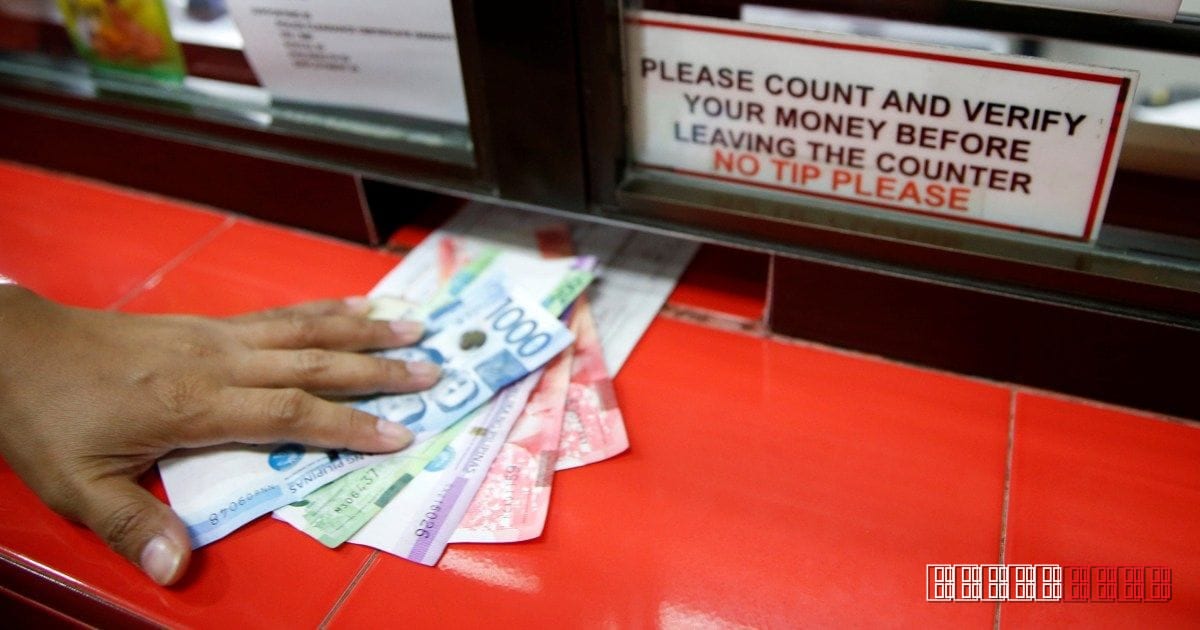
The Philippine peso has slipped to a historic low against the US dollar, a development that analysts link to the ripple effects of the ongoing Iran war and a set of persistent domestic economic challenges. Al Jazeera reported that the currency’s decline is occurring amid heightened geopolitical tension and a slowdown in key growth drivers within the archipelago.
According to Al Jazeera, the fallout from the Iran conflict has pushed global oil prices higher, tightening financing conditions for emerging markets that rely heavily on imported energy. At the same time, the Philippines faces a combination of weaker remittance inflows, rising inflation, and fiscal deficits that have eroded investor confidence. The central bank’s recent attempts to stabilise the peso through rate hikes have so far proved insufficient to reverse the downward trend.
The peso’s vulnerability is not new. Over the past decade, the currency has generally hovered within a relatively narrow band, buoyed by robust overseas worker remittances that account for roughly a tenth of the nation’s GDP. However, a slowdown in overseas employment, coupled with higher global commodity prices, has strained that safety net. Historically, sharp depreciations in the peso have translated into higher import costs for food and fuel, feeding inflation that disproportionately affects low‑income households.
A weaker peso also raises the cost of servicing external debt, which is denominated largely in dollars. The government may be forced to allocate a larger share of its budget to debt repayments, potentially crowding out spending on infrastructure and social programs. Market observers suggest that further monetary tightening could stabilize the exchange rate, but such moves risk slowing economic growth if consumer borrowing contracts.
Looking ahead, policymakers are likely to balance the need for price stability with measures to bolster the country’s current account, such as encouraging export diversification and safeguarding remittance flows. The trajectory of the peso will remain closely tied to both the resolution of the Iran conflict and the Philippines’ ability to address its internal fiscal and inflationary pressures.
This report is based on original reporting by Al Jazeera. Read the original source →