Pipeline Plans Target to Cut Reliance on Strait of Hormuz, US Official Says
Treasury Secretary Scott Bessent predicts new oil pipelines could sideline the strategic waterway within two years, a timeline experts find doubtful.
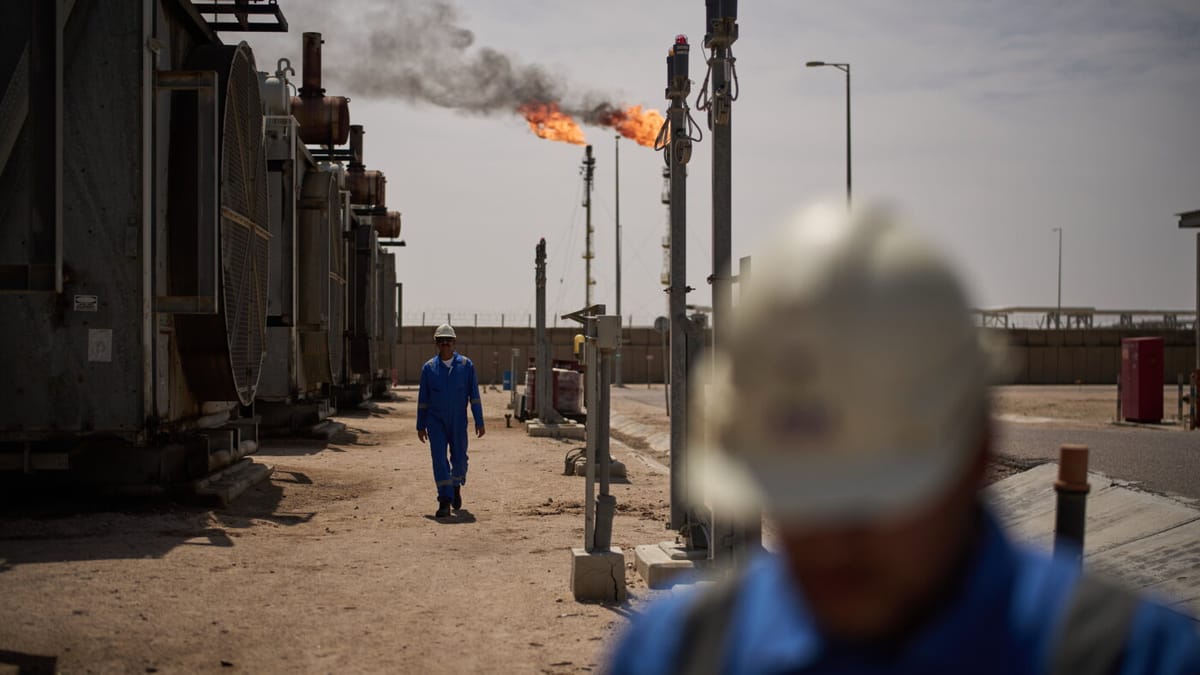
Treasury Secretary Scott Bessent told reporters that a series of oil pipeline projects under discussion could make the Strait of Hormuz largely irrelevant for crude transport in as little as two years. The comment reflects a broader U.S. interest in diversifying the routes through which Middle‑East petroleum reaches global markets, reducing exposure to maritime chokepoints.
The Strait of Hormuz, a narrow passage between Iran and Oman, remains one of the world’s most critical oil corridors. Roughly a fifth of daily global oil supplies, along with a comparable share of petroleum products, pass through the waterway each day. Any disruption there can ripple through international fuel prices and supply chains.
Proponents point to several pipeline initiatives that would link oil‑producing fields in Iran, Iraq and Saudi Arabia directly to export terminals on the Persian Gulf and beyond. By moving crude over land rather than by tanker, supporters argue that the region could sidestep the geopolitical risks that have historically plagued Hormuz traffic.
Energy analysts, however, caution that the two‑year horizon is overly optimistic. They cite technical hurdles such as terrain, capacity limits and the need for extensive cross‑border coordination. Political factors—including sanctions, regional rivalries and security concerns—add further uncertainty to any timeline.
If the pipelines were to materialize as envisioned, they could lessen the strategic importance of the strait and provide a more stable export path for regional producers. Yet most experts agree that maritime shipping will continue to dominate oil movement for the foreseeable future, and that the strait will remain a key artery in the global energy system.
The divergent views underscore the complexity of reshaping oil logistics in a volatile region. While the U.S. administration highlights the potential for reduced dependence on Hormuz, industry specialists warn that realistic expectations must account for the myriad challenges inherent in large‑scale pipeline construction.