PM Modi links trade pacts to fresh jobs for India's youth
The prime minister says new free‑trade agreements will expand government hiring, distributing over 51,000 virtual appointment letters to young recruits.
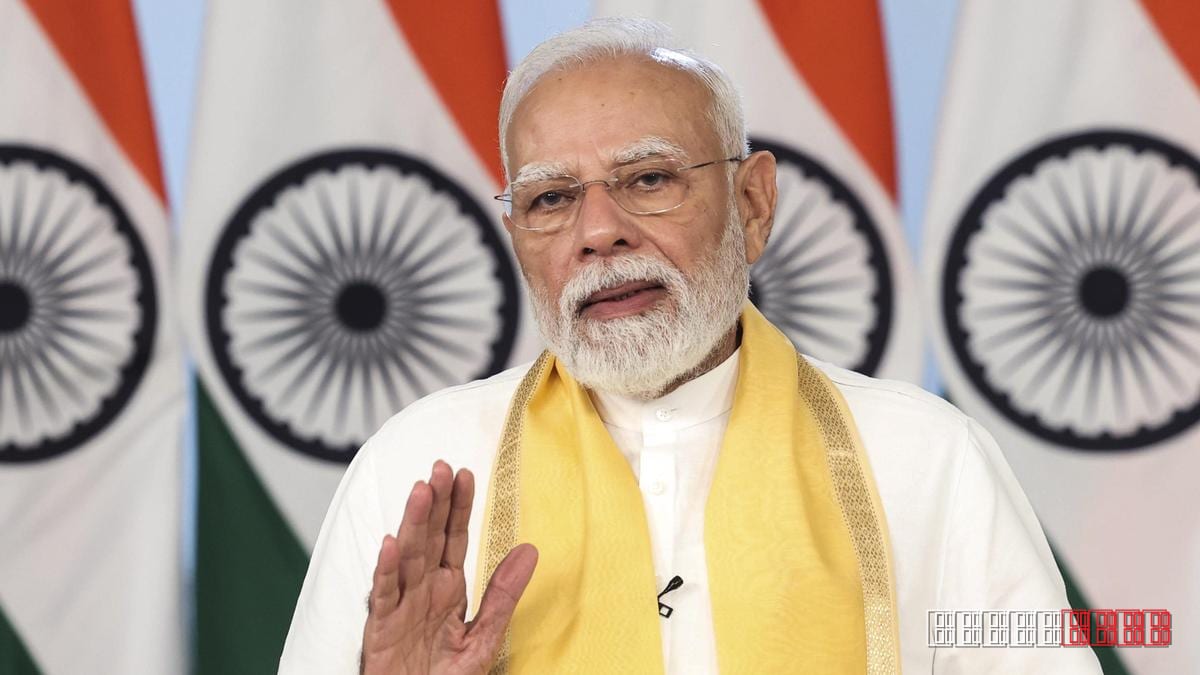
The Hindu reported that Prime Minister Narendra Modi virtually handed out more than 51,000 appointment letters to recently selected young candidates who will be placed across a range of central ministries and public sector bodies. In a televised address, Modi highlighted that the surge in recruitment is a direct outcome of India’s expanding portfolio of free‑trade agreements (FTAs), which he said are opening “new career opportunities for our youth.”
India has signed several FTAs in the past year, notably with the United Arab Emirates, Australia, and the European Union. These pacts are designed to lower tariffs, boost exports and attract foreign investment, creating a ripple effect throughout the economy. Analysts note that such agreements often stimulate demand for skilled administrators, auditors, and trade officers who can navigate the complexities of international commerce, thereby prompting the government to expand its staffing.
Youth unemployment has been a persistent challenge, with the National Sample Survey indicating that roughly 13 % of Indians aged 15‑29 were jobless in 2022. The government’s recruitment drive aims to absorb a portion of this demographic, offering stable salaried positions that can serve as a springboard for professional growth. By placing fresh talent in ministries dealing with trade, finance, and industry, the administration hopes to build a cadre capable of managing the anticipated increase in cross‑border transactions.
The virtual issuance of appointment letters reflects the broader digital shift in public‑sector processes accelerated by the pandemic. Earlier this year, the government introduced an online portal for civil‑service selections, cutting down paperwork and speeding up onboarding. This digital approach also allows candidates from remote regions to receive their postings without the need for physical travel, aligning with the broader “Digital India” agenda.
While the immediate impact will be seen in the influx of new civil servants, the longer‑term effect hinges on how effectively these FTAs translate into tangible economic growth. If export volumes rise as projected, the demand for regulatory and compliance roles could expand further, potentially creating additional opportunities beyond the initial batch of 51,000 hires. For now, the government presents the recruitment as a concrete benefit of its trade strategy, aiming to reassure a young electorate eager for stable employment.
This report is based on original reporting by The Hindu. Read the original source →