Polish robots rally against upcoming AI rules
Demonstrators using robotic platforms gathered in Warsaw to voice worries about the impact of new artificial‑intelligence legislation.
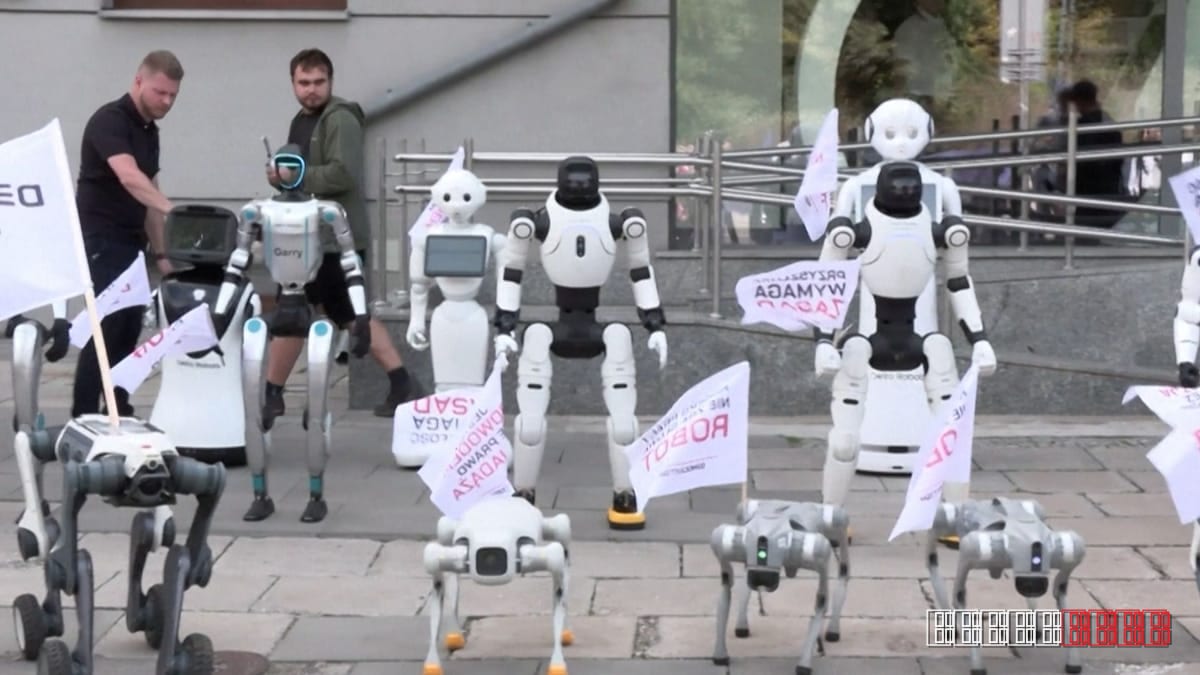
A group of autonomous machines and their human operators took to the streets of Warsaw on Wednesday, marching through the city centre while displaying banners that warned of “over‑reaching AI regulation.” Al Jazeera reported that the demonstration was organised by a coalition of tech firms, robotics researchers and civil‑society groups who fear that the draft legislation could stifle innovation and limit the deployment of advanced robotics in industry and public services.
The protesters, many of them wheeled robots equipped with LED screens, formed a moving tableau that highlighted specific clauses of the proposed law, such as mandatory risk‑assessment reports for any system classified as “high‑risk.” Organisers said the requirements could add years of compliance work and drive start‑ups out of the market. While the march was peaceful, police presence was noticeable, and several participants were asked to step aside for safety checks.
The Polish government has been drafting its own AI framework to align with the European Union’s AI Act, which aims to set common standards for transparency, safety and accountability across member states. Critics argue that the EU text, while well‑intentioned, may inadvertently curtail the rapid development of robotics and limit the country’s competitiveness in a sector that is projected to contribute billions to the European economy.
Across Europe, the AI regulatory debate has sparked a series of public actions, from student sit‑ins in Berlin to industry roundtables in Paris. Poland’s protest is part of a broader pattern where stakeholders seek a balance between safeguarding citizens from algorithmic harms and preserving the flexibility needed for technological progress. Historically, Warsaw has been a hub for robotics research, hosting several leading universities and start‑ups that rely on a regulatory environment conducive to experimentation.
If the current draft proceeds unchanged, businesses may face stricter licensing procedures, higher compliance costs and potential delays in bringing new robotic solutions to market. The government has indicated it will consult further with industry representatives before finalising the law, suggesting that the protest could influence upcoming revisions.
The demonstration underscores a growing tension between policymakers and the tech community, a dynamic that will likely shape the trajectory of AI and robotics development in Poland and across the EU in the months ahead.
This report is based on original reporting by Al Jazeera. Read the original source →