Press Club denounces police detention of reporters covering anti‑CEC rallies
The Hindu reports that India’s Press Club and the Press Council of India condemned the arrest of journalists and a police FIR against a media outlet over coverage of protests against Chief Election Commissioner Gyanesh Kumar.
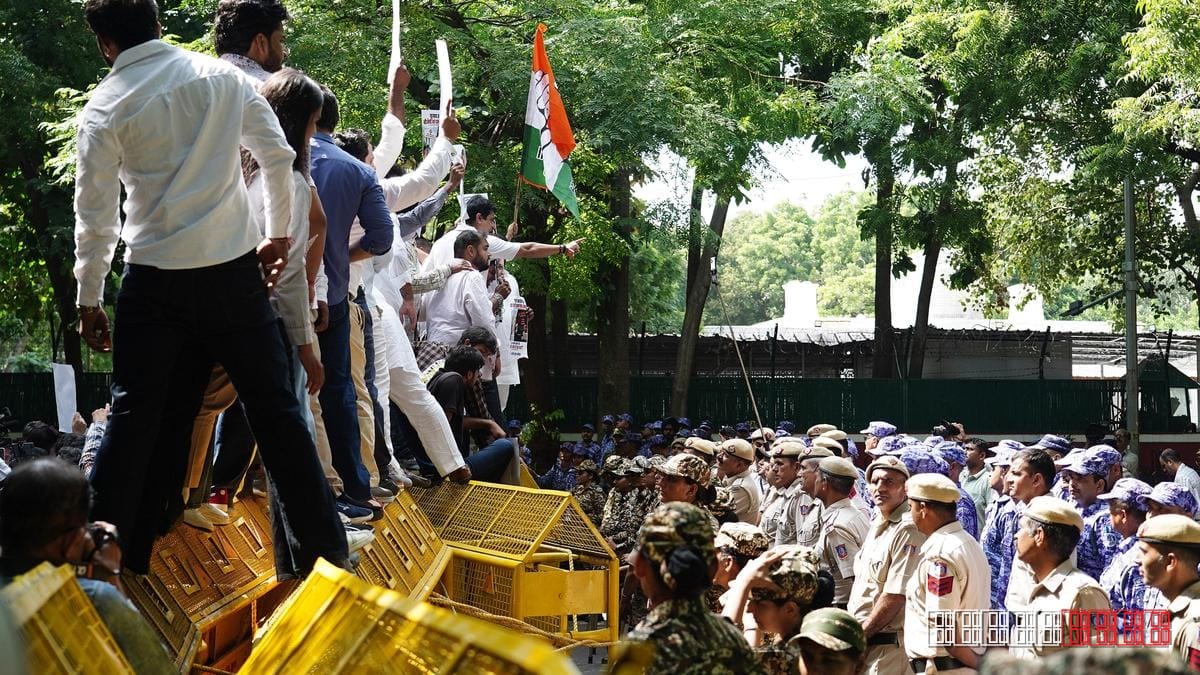
The Press Club of India has publicly condemned the detention of several journalists who were covering protests aimed at Chief Election Commissioner Gyanesh Kumar, according to a report by The Hindu. The journalists were reportedly held by Bengal police while documenting demonstrations that questioned the CEC’s recent decisions.
The Press Council of India (PCI) also weighed in, criticizing a First Information Report (FIR) filed against Maktoob Media. The FIR, filed by Bengal police, alleges that the outlet’s reporting on the alleged exclusion of Muslim IAS and IPS officers from meetings during Union Home Minister Amit Shah’s visits to the state was defamatory. The PCI described the FIR as an attempt to intimidate the press and curb investigative reporting, The Hindu noted.
The protests against the CEC have been part of a broader wave of dissent in West Bengal, where opposition parties and civil society groups allege that the election commissioner’s actions favor the ruling party. Demonstrators have taken to the streets demanding greater transparency and impartiality in the upcoming electoral process. The arrests of journalists occurred amid heightened tensions, raising concerns about the ability of the media to report freely on politically sensitive events.
India’s press freedom record has come under scrutiny in recent years, with multiple instances of journalists facing legal action, harassment, or detention while covering protests, elections, and communal incidents. International watchdogs have highlighted the growing use of criminal defamation and other statutes to stifle dissenting voices. The Press Council, an autonomous body tasked with safeguarding journalistic standards, often steps in to challenge such measures, but its recommendations lack binding enforcement.
The incident underscores the delicate balance between law enforcement and the right to information in a democratic society. While authorities argue that the FIR targets false reporting that could incite unrest, media organisations contend that such legal moves create a chilling effect, discouraging coverage of issues that matter to the public. The outcome of the PCI’s objections and any judicial review of the FIR will likely influence how future protests and election‑related reporting are handled across the country.
This report is based on original reporting by The Hindu. Read the original source →