Public mourning and backlash follow death of academic Jason Arday
Thousands gathered in London as grief over Jason Arday’s death mixes with criticism of a right‑wing campaign that targeted him
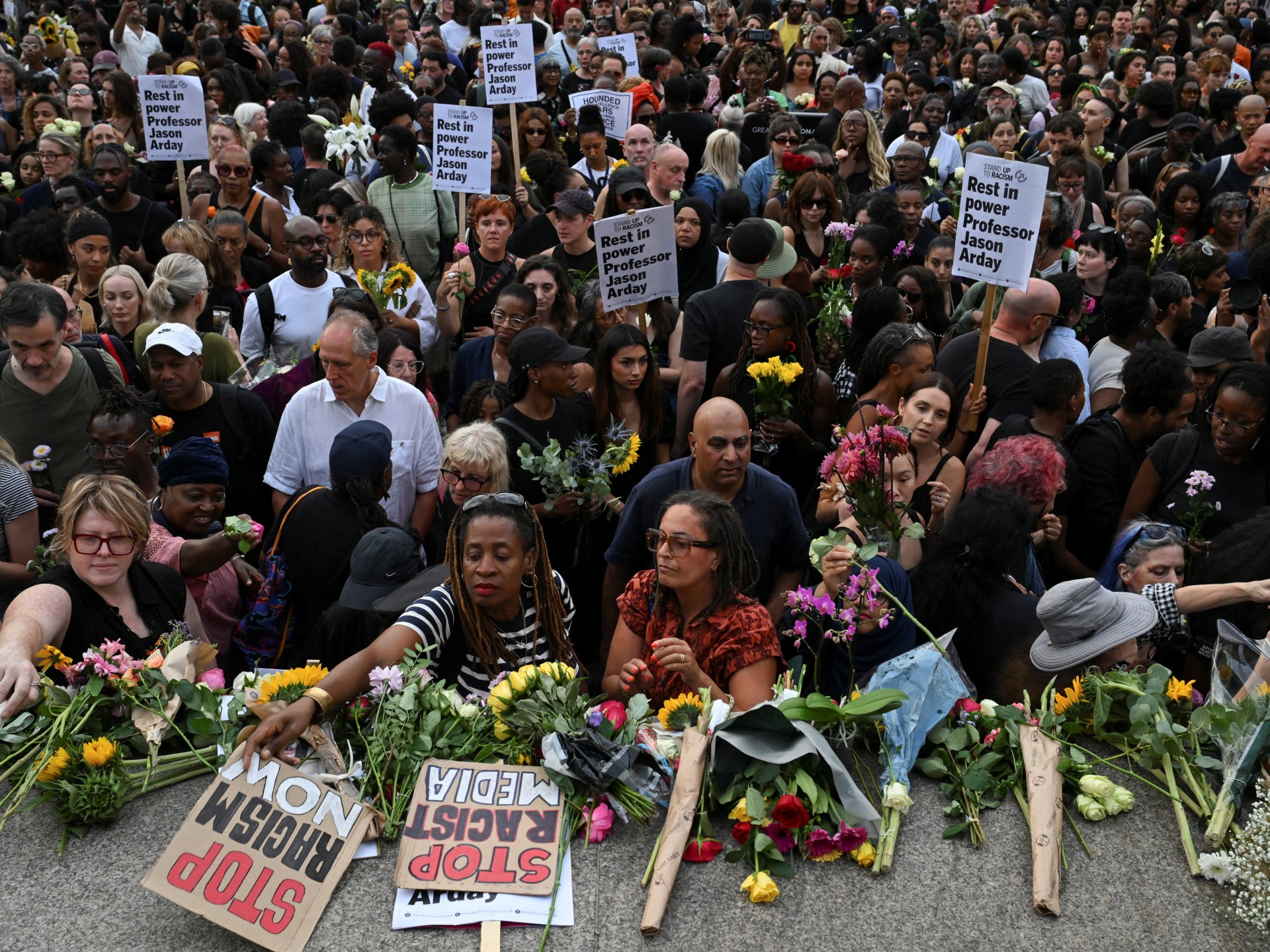
The United Kingdom is still coming to terms with the sudden death of Jason Arday, a prominent academic whose passing sparked both profound sorrow and heated debate. A large gathering in Trafalgar Square on Monday evening drew thousands of mourners, many of whom lit candles and held signs while expressing a mix of grief and anger.
In the days leading up to the vigil, Arday became the focus of a coordinated online assault orchestrated by individuals identifying as “race realists.” One such commentator publicly suggested that, in an ideal world, black people would “disappear from almost all high‑profile positions outside of sports and entertainment.” The rhetoric was quickly linked to a broader right‑wing and far‑right effort to find a symbolic victim for their nativist agenda.
The backlash against that campaign has been swift. Critics argue that the smear‑smearing of Arday was not a matter of legitimate journalism but a politically motivated witch‑hunt. While the original intent of the attackers was to discredit Arday’s work, many observers note that the ensuing public discourse has highlighted the fine line between investigative reporting and targeted harassment.
Mental health charities have responded to the wave of emotion surrounding the tragedy. In the UK, Mind can be reached at 0300 123 3393 and Childline at 0800 1111. International helplines, including the U.S. 988 Lifeline and Australia’s Beyond Blue, have also been listed to support those affected by the news.
The incident underscores a growing tension in Britain’s cultural landscape, where debates over race, representation, and free speech intersect with personal loss. As the nation reflects on Arday’s contributions and the circumstances of his death, the conversation continues to evolve around how public figures are treated in the digital age and what safeguards are needed to protect both truth‑seeking journalism and individual dignity.