Regional powers weigh response as Houthi strikes test Mecca Pact provisions
Saudi Arabia could call on Pakistan and Turkey for support, but experts say direct combat involvement remains doubtful, Al Jazeera says.
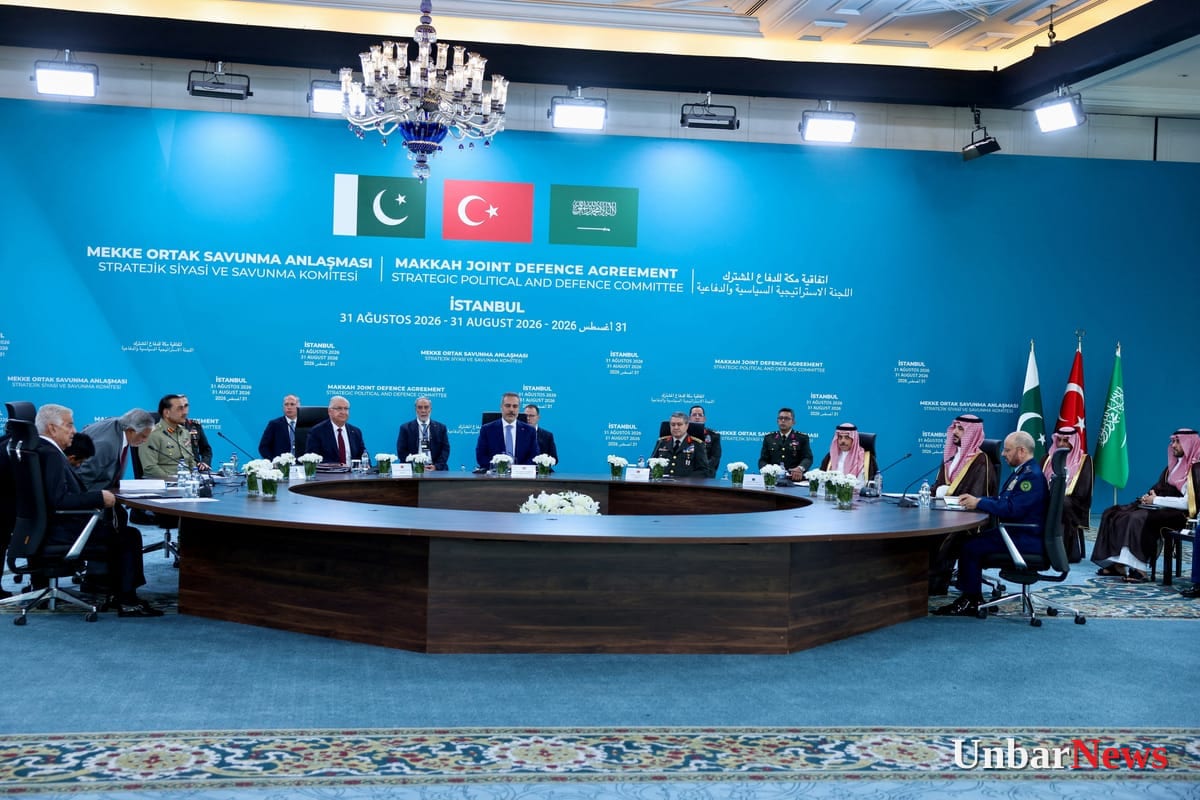
The recent escalation of Houthi missile and drone attacks against Saudi targets has revived debate over the little‑known Mecca Pact, a security arrangement signed in 2023 among Saudi Arabia, Pakistan and Turkiye. Al Jazeera reported that the treaty obliges the two latter states to come to Riyadh’s aid if the kingdom formally requests assistance, yet it also cautioned that a full‑scale deployment of troops into Yemen is not expected.
Under the pact, Pakistan and Turkiye have pledged logistical and intelligence support, but the agreement stops short of a binding commitment to send combat forces. Analysts cited by Al Jazeera note that both Islamabad and Ankara maintain sizable military commitments elsewhere – Pakistan in Afghanistan and the Indian subcontinent, Turkiye in Syria and the Eastern Mediterranean – which would limit their capacity for a direct ground operation in Yemen.
The Houthi movement, backed by Iran, has intensified its campaign since the start of the year, targeting oil facilities, airports and civilian infrastructure in Saudi Arabia. Their attacks are part of a broader strategy to pressure the kingdom over its role in the Gaza conflict and its support for the Saudi‑led coalition that has been fighting the Houthis since 2015. The renewed violence has raised fears that the conflict could spill over into neighboring states, prompting Riyadh to explore every diplomatic lever at its disposal.
The Mecca Pact was conceived as a deterrent, aiming to reassure Saudi Arabia that it would not face the Houthi threat alone. However, the treaty’s limited scope reflects the complex geopolitics of the region: Pakistan balances its historic ties to Saudi Arabia with a cautious approach to Iran‑aligned groups, while Turkiye seeks to expand its influence in the Red Sea corridor without overextending its military.
If Saudi Arabia were to invoke the pact, the most likely outcome would be an increase in intelligence sharing, joint surveillance flights and perhaps the provision of defensive weaponry to Saudi forces. Direct troop deployments, according to Al Jazeera, remain unlikely unless the conflict escalates dramatically or a formal request for combat assistance is made.
The situation underscores how regional security frameworks can be both a tool and a constraint, offering a channel for cooperation while highlighting the limits of collective defense in a fragmented Middle East.
This report is based on original reporting by Al Jazeera. Read the original source →