Russia brands Germany as Nazi and dismisses drone allegations
Moscow calls the German narrative a prelude to open conflict, rejecting claims that Russian drones are targeting Europe.
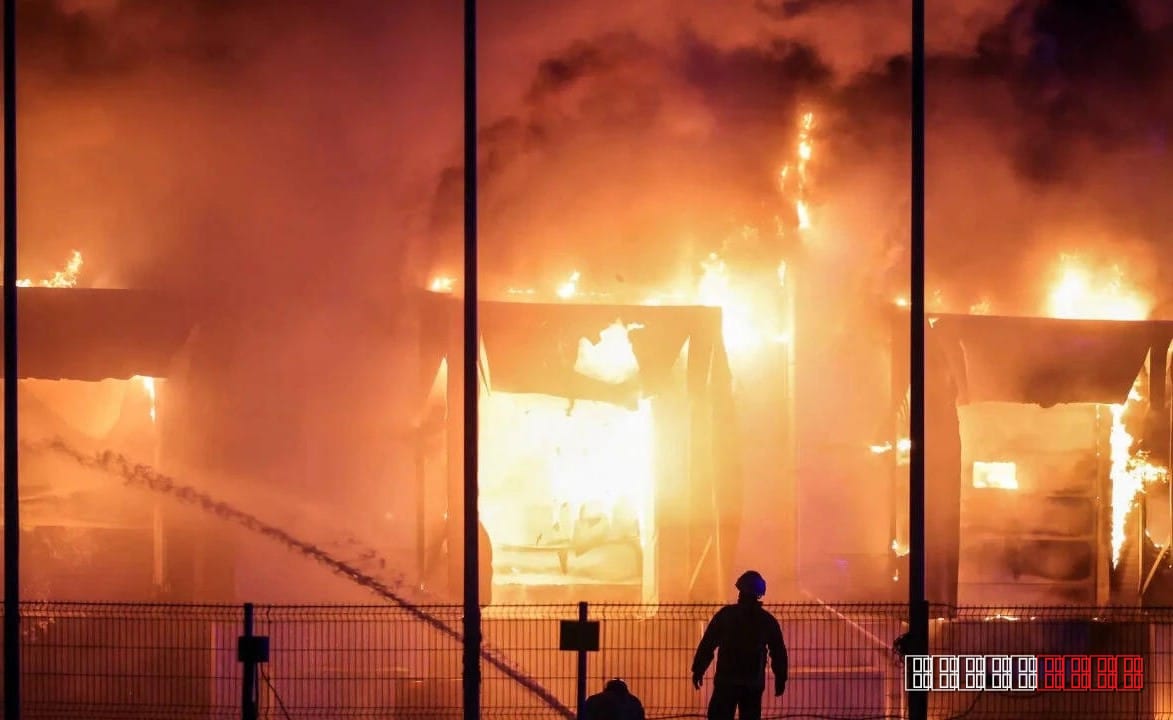
Moscow has escalated diplomatic rhetoric by labeling Germany as a "Nazi" state and denying any involvement of Russian drones in recent incidents, the Times of India reported. The Russian foreign ministry spokesperson described the German statements as an "unjustified provocation" that could usher in what he termed the "start of a real war" between the two nations.
The German government had earlier suggested that Russian unmanned aerial vehicles were operating near its borders, prompting a stern rebuttal from Moscow. In response, Russian officials asserted that the accusations were baseless and part of a broader effort to vilify Russia on the international stage.
This exchange marks a sharp deterioration in relations that have already been strained by differing positions on the conflict in Ukraine. Since Russia's invasion of Ukraine in 2022, Berlin has been a vocal critic of Moscow's actions, supplying defensive aid to Kyiv and calling for stronger sanctions. The recent diplomatic flare‑up adds a new layer of tension, with both capitals exchanging harsh language.
Historically, accusations of Nazism have been a potent rhetorical tool in Russian foreign policy, recalling Cold War era propaganda. By invoking the term, Moscow aims to cast Germany as ideologically hostile, a narrative that resonates with domestic audiences and seeks to delegitimize Western criticism. Such language also signals to other NATO members that Russia perceives a coordinated threat.
The drone allegation itself reflects growing concerns over the proliferation of unmanned systems in modern warfare. While Russia has deployed drones extensively in Ukraine, there is no publicly available evidence confirming their presence in German airspace. International observers note that false or exaggerated claims about drone incursions can be used to justify heightened security measures or military posturing.
India, maintaining a policy of strategic autonomy, has called for restraint and dialogue between the parties. New Delhi’s Ministry of External Affairs emphasized the importance of diplomatic channels to resolve misunderstandings, underscoring India's interest in regional stability and its own defense partnerships with both European nations and Russia.
The latest statements from Moscow and Berlin illustrate how the Ukraine war continues to ripple across Europe, reshaping alliances and prompting new confrontations that extend beyond the battlefield.
This report is based on original reporting by Times of India. Read the original source →