Scotland to merge health boards, minister says patients won’t need longer trips
John Swinney says the planned cut from 14 to two mainland health boards will not increase travel for care, as reforms move forward.
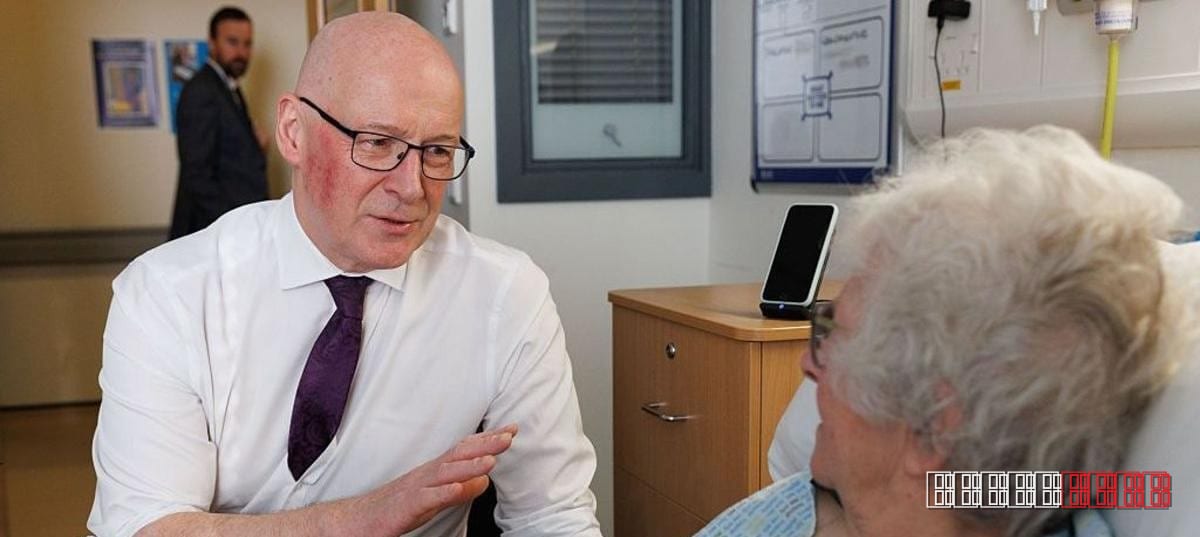
Scotland’s health system is set for a dramatic restructuring, with the government proposing to reduce the current 14 mainland NHS boards to just two large entities. Health Secretary John Swinney told the Scottish Parliament that the changes are designed so patients will not have to travel farther for treatment, according to BBC News.
The proposal, part of the Scottish Government’s broader health‑and‑social‑care integration plan, aims to streamline administration, improve resource allocation and create more consistent standards of care across the country. Swinney emphasized that the new structures will retain local service points and that any re‑organisation will be guided by patient‑centred criteria, not geography.
Critics, however, warn that consolidating boards could mean centralising specialist services in fewer locations, potentially lengthening journeys for residents in remote areas such as the Highlands and Islands. The Scottish National Party’s health spokesperson questioned whether the promised safeguards will be enough to protect rural patients, while opposition parties called for a detailed impact assessment before any legislation is passed.
Background: Scotland’s NHS has long been divided into 14 regional boards, each responsible for delivering hospital, community and mental‑health services in its area. Over the past decade, the government has pursued a series of reforms aimed at integrating health and social care, reducing bureaucracy and tackling financial pressures. The current plan builds on the 2022 “Health and Care Delivery Plan,” which introduced larger health and social‑care partnerships (HSCPs) but stopped short of merging the boards themselves. By collapsing the boards into two super‑entities, officials hope to achieve economies of scale and a more unified strategic direction, a move that mirrors similar regional consolidations in England and Wales.
If approved, the two new boards would each cover roughly half of Scotland’s mainland, with the island communities remaining under separate arrangements. The transition is expected to take several years, with a detailed implementation timetable to be published after a public consultation period. The government says it will monitor travel times and service accessibility closely, adjusting service locations as needed to meet the commitment Swinney outlined.
The reforms are part of a wider effort to address staffing shortages, rising demand for services and the financial sustainability of the NHS in Scotland. While the promise that patients won’t travel further aims to reassure the public, the real‑world impact will depend on how quickly new service hubs can be established and whether transportation links can keep pace with any centralisation of care.
The proposal will now be debated in the Scottish Parliament, with a vote likely before the end of the year. Should it pass, Scotland could become one of the few UK nations operating a two‑board health system, a model that will be watched closely by health policymakers across the United Kingdom.
This report is based on original reporting by BBC News. Read the original source →