Seoul to Convene First Summit with Central Asian Presidents Amid Strategic Outreach
South Korea will host leaders from five Russia‑aligned Central Asian nations in a bid to expand its regional influence.
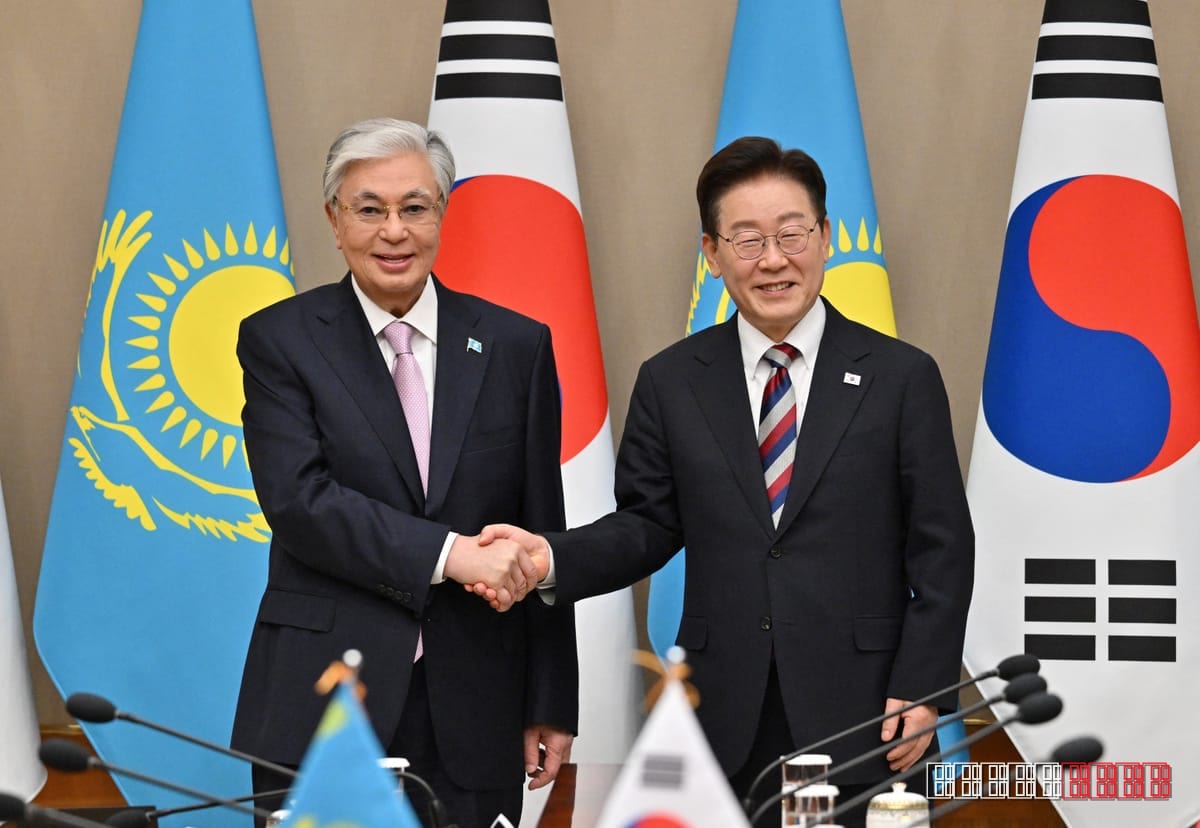
Seoul is preparing to host a historic gathering of five Central Asian heads of state, marking the first time South Korean presidents have convened a dedicated summit with the region’s leaders, Al Jazeera reported. The meeting, scheduled for later this month, will bring together the presidents of Kazakhstan, Kyrgyzstan, Tajikistan, Turkmenistan and Uzbekistan. Organisers say the agenda will focus on trade, energy cooperation, and security coordination, with an eye toward deepening diplomatic ties beyond traditional partners.
South Korean officials have framed the summit as a chance to diversify economic partners and to present Seoul as a reliable interlocutor for countries that have long leaned toward Moscow. By engaging directly with the five nations, which maintain close political and military links with Russia, South Korea hopes to carve out a niche in Central Asia’s evolving geopolitical landscape. The Korean government also plans to showcase its advanced technology sector, offering joint projects in digital infrastructure and green energy.
The outreach follows a broader shift in South Korean foreign policy that seeks to balance its reliance on the United States and its complex relationship with China. Analysts note that expanding ties with Central Asia could provide Seoul with alternative supply chains for critical minerals and a foothold in a region where China’s Belt and Road Initiative has been dominant. Moreover, the summit could serve as a diplomatic bridge, allowing South Korea to engage indirectly with Moscow‑aligned states without overtly challenging Western positions.
Historically, Korea’s connections with Central Asia date back to the post‑Soviet era, when both sides pursued trade and cultural exchanges after the collapse of the USSR. Over the past decade, South Korean firms have invested in Kazakhstan’s oil sector and Uzbekistan’s textile industry, but official high‑level dialogue has remained limited. The upcoming summit therefore represents a significant escalation, signaling Seoul’s intent to move from economic outreach to formal political partnership.
If the talks yield concrete agreements, they could pave the way for regular ministerial meetings and possibly a standing dialogue mechanism. Observers will watch closely for any commitments on infrastructure financing, technology transfers, or joint security initiatives, all of which could reshape the balance of influence in a region traditionally dominated by Russia and China.
This report is based on original reporting by Al Jazeera. Read the original source →