Sepehran Boeing 737’s cabin torn apart during emergency landing in Mashhad
A sudden violent shaking forced a Sepehran Airlines flight to land abruptly, leaving the aircraft’s interior damaged and passengers shaken.
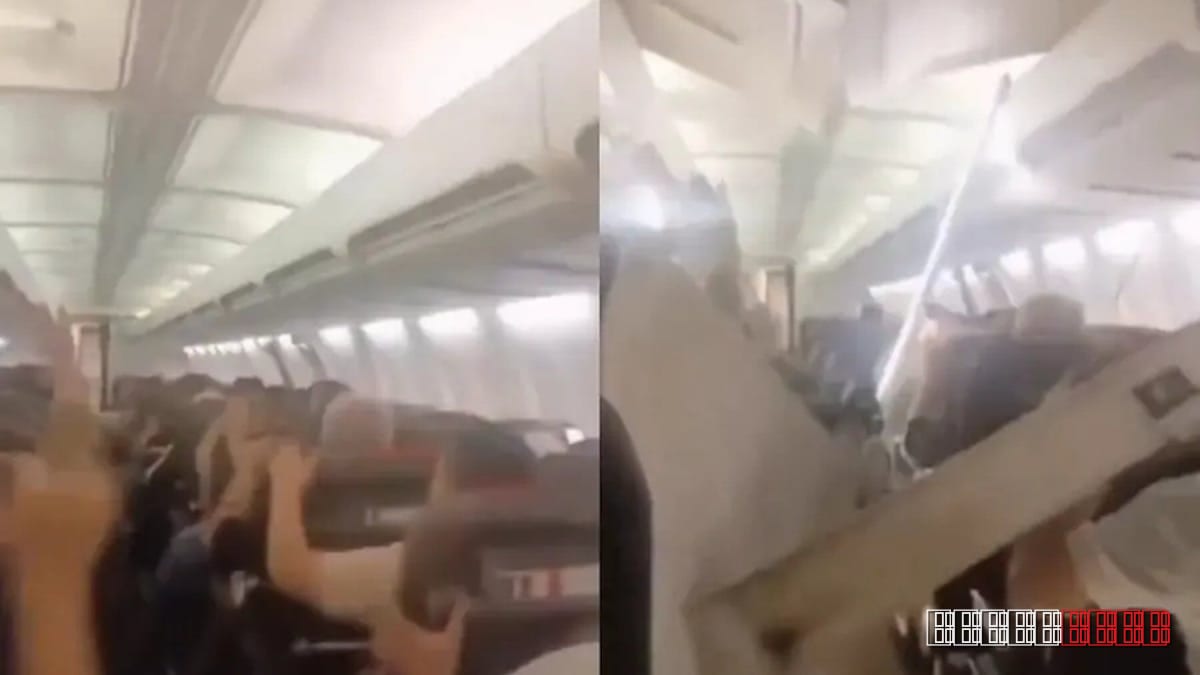
A Sepehran Airlines Boeing 737 experienced a dramatic structural failure while en route to Mashhad, prompting the crew to execute an emergency landing at the city’s airport, Al Jazeera reported. Witnesses described the cabin interior being ripped apart as the aircraft was subjected to intense shaking, and several passengers sustained minor injuries during the abrupt descent.
The flight, which was operating a domestic route within Iran, entered a severe turbulence zone shortly before reaching its destination. Pilots declared an emergency and diverted to Mashhad’s Imam Reza International Airport, where the aircraft touched down safely despite the damage. According to Al Jazeera, the cabin’s overhead panels and seat rows were visibly torn, and the crew evacuated passengers while emergency services inspected the plane for further hazards.
A preliminary investigation by Iran’s Civil Aviation Organization has been launched to determine whether the incident stemmed from extreme weather, a possible structural defect, or another factor. The airline has temporarily grounded the aircraft pending a thorough technical review, and officials have assured the public that no fatalities occurred.
Incidents of sudden, violent shaking are not unprecedented in commercial aviation, but they are relatively rare for modern Boeing 737 models, which are designed to withstand significant turbulence. In the past decade, a handful of global cases—most often linked to unexpected microbursts or clear‑air turbulence—have prompted airlines to revise flight‑path planning and reinforce crew training on turbulence management. Iran’s aviation sector, which has faced sanctions and aging fleets, has been under scrutiny for safety standards, making this event a focal point for regulators and passengers alike.
The immediate impact on travelers includes flight delays and a surge in demand for alternative transport options to Mashhad, a major pilgrimage and commercial hub. Sepehran Airlines, a relatively new carrier in Iran’s market, has pledged to cooperate fully with investigators and to keep passengers informed about the status of the affected aircraft.
While the cause remains under review, the incident underscores the importance of real‑time weather monitoring and robust aircraft maintenance regimes, especially for airlines operating in regions prone to rapid atmospheric changes. Aviation experts note that improved turbulence forecasting tools could help pilots avoid similar scenarios in the future.
This report is based on original reporting by Al Jazeera. Read the original source →